

fbpx

A Cancer Treatment Causes Side Effect of Night Vision

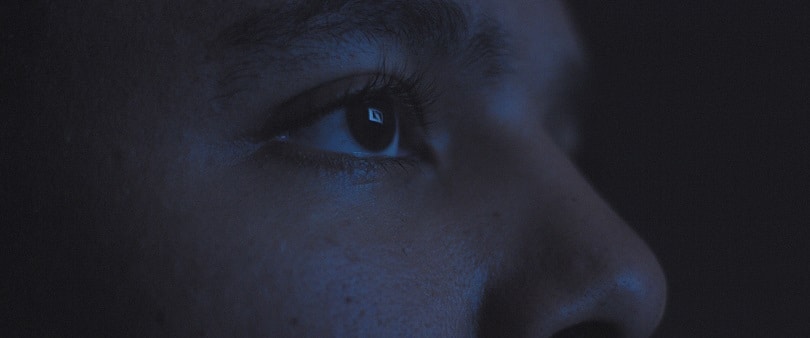
Research published in the Journal of Physical Chemistry Letters explained why photodynamic cancer therapy causes night vision in patients. Photodynamic therapy is a form of cancer treatment that uses light to destroy malignant cells. The interesting side effect patients have reported is night vision seen as silhouettes and outlines in the dark. Only now have researchers discovered the mechanics of this phenomenon.

The Mechanics of Night Vision

Photodynamic therapy involves injections of chlorin e6, a photosensitive compound. It’s the reaction between chlorin e6 and rhodopsin in the retinal photoreceptors rods that causes the apparent night vision to occur. Normally we see with visible light because of a compound in our eye called retinal being triggered by visible light. After triggering, retinal separates from rhodopsin, a light-sensitive protein in the retinas of our eyes, and an electrical signal is transmitted to our brain to interpret what we see. In the case of night vision seen by these cancer patients, infrared light combined with the chlorin e6 changes retinal in the same way it does under visible light conditions. “This explains the increase in night-time visual acuity,” chemist Antonio Monari, from the University of Lorraine in France tells CNRS (French National Centre for Scientific Research).

Using Molecular Simulation to Understand Chemical Reactions

The researchers used molecular simulation to model the movements of individual atoms as well as the breaking or creating of chemical bonds. It took several months of testing various simulations with millions of calculations before it was able to accurately model the chemical reaction caused by infrared radiation. “For our simulation we placed a virtual rhodopsin protein inserted in its lipid membrane in contact with several chlorin e6 molecules and water, or several tens of thousands of atoms,” Monari told CNRS.

Molecular simulation is a powerful tool and can help us better understand fundamental mechanisms. For example, it can help understand why certain DNA lesions are better repaired than others and help select the best therapeutic molecules by mimicking their interaction in a simulated model.

Reference: https://www.sciencealert.com/scientists-have-figured-out-how-a-cancer-treatment-gives-patients-night-vision

Featured Posts

CRO logo image for Research Updates in Optik magazine

American Optometric Association Clinical Report Examines GLP-1 Receptor Agonists and Ocular Risk

A new American Optometric Association clinical report reviews ocular risks associated with GLP-1 receptor agonists, including diabetic retinopathy progression and rare optic nerve events.

Learn More
Ray-Ban Jennie Ambassador April 2026

Jennie Named Global Ambassador for Ray-Ban and Ray-Ban Meta

Ray-Ban has named Jennie as global ambassador for Ray-Ban and Ray-Ban Meta, bringing the two brands together under a shared global campaign.

Read more
Specsavers logo

Specsavers Celebrates Canadian Design with New Hilary MacMillan Eyewear Collection

Specsavers has launched a new eyewear collaboration with Canadian designer Hilary MacMillan, featuring 13 optical frames and four sunglasses inspired by personal style and everyday wearability.

Read more
Bausch + Lomb

Bausch + Lomb Reports Growth in U.S. Contact Lens Recycling Program

Bausch + Lomb says its ONE by ONE Recycling program has now collected and recycled nearly 725,000 pounds of used contact lens, lens care and eye care materials in the United States.

Read more
Hoya Vision Care Canada logo

HOYA Vision Care Launches Sensity 3 Light-Adaptive Lenses

HOYA Vision Care has launched Sensity 3, the latest generation of its light-adaptive lenses, with reported improvements in durability, colour stability, and fade-back speed.

Read more
CRO logo image for Research Updates in Optik magazine

American Optometric Association Clinical Report Examines GLP-1 Receptor Agonists and Ocular Risk

A new American Optometric Association clinical report reviews ocular risks associated with GLP-1 receptor agonists, including diabetic retinopathy progression and rare optic nerve events.

Learn More
Ray-Ban Jennie Ambassador April 2026

Jennie Named Global Ambassador for Ray-Ban and Ray-Ban Meta

Ray-Ban has named Jennie as global ambassador for Ray-Ban and Ray-Ban Meta, bringing the two brands together under a shared global campaign.

Read More
Specsavers logo

Specsavers Celebrates Canadian Design with New Hilary MacMillan Eyewear Collection

Specsavers has launched a new eyewear collaboration with Canadian designer Hilary MacMillan, featuring 13 optical frames and four sunglasses inspired by personal style and everyday wearability.

Read More
Bausch + Lomb

Bausch + Lomb Reports Growth in U.S. Contact Lens Recycling Program

Bausch + Lomb says its ONE by ONE Recycling program has now collected and recycled nearly 725,000 pounds of used contact lens, lens care and eye care materials in the United States.

Read More
Hoya Vision Care Canada logo

HOYA Vision Care Launches Sensity 3 Light-Adaptive Lenses

HOYA Vision Care has launched Sensity 3, the latest generation of its light-adaptive lenses, with reported improvements in durability, colour stability, and fade-back speed.

Read More
CRO logo image for Research Updates in Optik magazine

American Optometric Association Clinical Report Examines GLP-1 Receptor Agonists and Ocular Risk

A new American Optometric Association clinical report reviews ocular risks associated with GLP-1 receptor agonists, including diabetic retinopathy progression and rare optic nerve events.

Learn More
Ray-Ban Jennie Ambassador April 2026

Jennie Named Global Ambassador for Ray-Ban and Ray-Ban Meta

Ray-Ban has named Jennie as global ambassador for Ray-Ban and Ray-Ban Meta, bringing the two brands together under a shared global campaign.

Read more
Specsavers logo

Specsavers Celebrates Canadian Design with New Hilary MacMillan Eyewear Collection

Specsavers has launched a new eyewear collaboration with Canadian designer Hilary MacMillan, featuring 13 optical frames and four sunglasses inspired by personal style and everyday wearability.

Read more
Bausch + Lomb

Bausch + Lomb Reports Growth in U.S. Contact Lens Recycling Program

Bausch + Lomb says its ONE by ONE Recycling program has now collected and recycled nearly 725,000 pounds of used contact lens, lens care and eye care materials in the United States.

Read more
Hoya Vision Care Canada logo

HOYA Vision Care Launches Sensity 3 Light-Adaptive Lenses

HOYA Vision Care has launched Sensity 3, the latest generation of its light-adaptive lenses, with reported improvements in durability, colour stability, and fade-back speed.

Read more
CRO logo image for Research Updates in Optik magazine

American Optometric Association Clinical Report Examines GLP-1 Receptor Agonists and Ocular Risk

A new American Optometric Association clinical report reviews ocular risks associated with GLP-1 receptor agonists, including diabetic retinopathy progression and rare optic nerve events.

Learn More
Ray-Ban Jennie Ambassador April 2026

Jennie Named Global Ambassador for Ray-Ban and Ray-Ban Meta

Ray-Ban has named Jennie as global ambassador for Ray-Ban and Ray-Ban Meta, bringing the two brands together under a shared global campaign.

Read more
Specsavers logo

Specsavers Celebrates Canadian Design with New Hilary MacMillan Eyewear Collection

Specsavers has launched a new eyewear collaboration with Canadian designer Hilary MacMillan, featuring 13 optical frames and four sunglasses inspired by personal style and everyday wearability.

Read more
Bausch + Lomb

Bausch + Lomb Reports Growth in U.S. Contact Lens Recycling Program

Bausch + Lomb says its ONE by ONE Recycling program has now collected and recycled nearly 725,000 pounds of used contact lens, lens care and eye care materials in the United States.

Read more
Hoya Vision Care Canada logo

HOYA Vision Care Launches Sensity 3 Light-Adaptive Lenses

HOYA Vision Care has launched Sensity 3, the latest generation of its light-adaptive lenses, with reported improvements in durability, colour stability, and fade-back speed.

Read more