
Myopia Control Using Spectacle Lenses
Thursday, April 3 2025 | 11 h 03 min | News
By Karl Chua, RO
The Current Landscape of Myopia
Myopia is one of the most serious vision issues today. According to the International Myopia Institute, “Evidence is mounting that myopia is growing around the world, with a recent study estimating that on average, 30% of the world is currently myopic and by 2050, almost 50% will be myopic, that’s a staggering 5 billion people.”
Myopia rates are rising quickly worldwide, especially among children, and it’s becoming a serious public health issue. If not managed, myopia can lead to serious eye problems like retinal detachment and maculopathy, affecting quality of life. Thankfully, new strategies for myopia control lenses offer ways to slow it down, helping protect children’s vision for the future.
My Perspective on Myopia Control: Using Spectacle Lenses
As a father of two young children, an optician, and an educator, I embarked on this journey to deepen my understanding of myopia control and share insights with others. This includes exploring the lens options available for glasses, understanding the theory behind myopia control lenses, and the associated benefits and challenges. Most importantly, I aim to emphasize our role as opticians and optometrists in supporting children and parents in managing myopia.
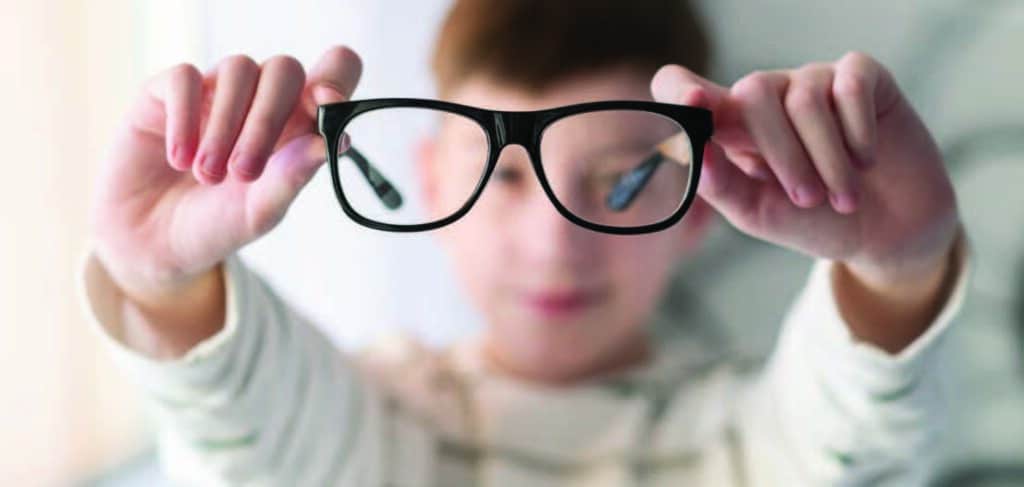
A few decades ago, the concept of ‘myopia control’ wasn’t something we heard about, but today it’s a critical part of safeguarding children’s eye health. Myopia control involves techniques and specialized spectacle lenses that help slow the progression of nearsightedness. As I learned more, I realized its potential to protect young children from severe vision issues in the future. It’s like preventative medicine for vision—a proactive way to preserve long-term eye health.
This year, I had the privilege of presenting on Myopia Control lenses in three provinces as part of the Opticians Association of Canada’s continuing education events. Many attendees approached me during these sessions asking:
- “Do these lenses work?”
- “How do they differ from standard single-vision lenses?”
- Is this just a marketing strategy by lens manufacturers?”
These are understandable and important inquiries about the effectiveness and purpose of these lenses in managing childhood myopia.
Whenever I hear such questions, I feel hopeful and excited because they show genuine curiosity and interest in learning about these lenses. It’s always a valuable opportunity for me to share their benefits, explain how they work, and provide insights to help others better understand their potential.
The overall feedback from the audience was incredibly positive, and I’m grateful for the opportunity to broaden their understanding of how these lenses can effectively slow the progression of nearsightedness. It’s always rewarding to help others see the potential impact of these advancements in eye care.
I’ve written this article to raise awareness about myopia and the role opticians and optometrists play in addressing this growing concern. Innovative spectacle lenses for myopia control – provide a safe, effective, and easy-to-wear solution, empowering families to take proactive steps in managing myopia progression. Together, we can help children achieve better vision today while protecting their eye health for tomorrow.
Understanding the Theories Behind Myopia Control Lenses
Below are two widely used theories that are commonly adopted by lens manufacturers.
- Peripheral Defocus Theory
This is one of the most widely supported theories. Traditional single-vision lenses correct central vision but leave the peripheral vision blurry, which can stimulate the eye to grow longer, worsening myopia. Myopia control lenses create a focused image on the central retina while moving the peripheral focus forward. This “peripheral defocus” discourages excessive eye growth, potentially slowing myopia progression. - Contrast Theory
Studies suggest that reducing contrast in the peripheral field may help reduce myopia progression. Certain myopia control lenses work by slightly reducing contrast on the edges, minimizing the visual stimulus that may contribute to the elongation of the eye. This contrast modification helps the eye avoid overstimulation, which could trigger myopic elongation and growth.
What’s new in Myopia Control Lenses? – Exciting Innovations as of 2024
As of 2024, advancements in myopia control lenses emphasize enhanced efficacy, customization, and integration with broader myopia management strategies.
Here are some key innovations:
| Manufacturer | Lens Name | Lens Theory | Technology | Lens Design |
| Hoya | MiYOSMART | Peripheral Defocus | DIMS | Honeycomb design (each 1.03mm). Each lenslet has a relative positive power of +3.50D. |
| Essilor | Stellest | Peripheral Defocus | HALT | 1,021 invisible lenslets acting as a shield against myopia progression |
| Zeiss | MyoCare | Peripheral Defocus | C.A.R. E | Myocare: Features a mean surface addition power of +4.6D. Myocare S: Offers a mean surface addition power of +3.8D. |
| Cooper Vision | SightGlass | Contrast | DOT | Thousands of micro-dots, scatter light to reduce contrast on the retina. |
| Vision RX | MyoSafe | Asymmetrical Peripheral Defocus | HDM | Asymmetrical addition progression with +2.00D nasally and +2.50D temporally |
| Rodenstock | MyCon | Asymmetrical Peripheral Defocus | HPC | Asymmetrical addition progression with +2.00D nasally and +2.50D temporally |
Benefits and Challenges of Myopia Control Lens
Benefits
- Slows Myopia Progression: These lenses help reduce the rate of eyeball elongation, which is the primary cause of myopia progression.
- Improves Quality of Life: By slowing the progression of myopia, these lenses can minimize the need for stronger prescriptions over time, enhancing overall visual comfort and convenience.
- Easy-to-Wear Option: Myopia control lenses provide a convenient and comfortable alternative to other methods such as atropine eye drops, contact lenses, or orthokeratology (Ortho-K) lenses. They offer a less intrusive and more user-friendly solution for managing myopia.
Challenges
- Lens Adaptation: New users may experience initial discomfort, adaptation difficulties, or blurry vision due to the specialized lens design.
- Lens Cost: Myopia control lenses are generally more expensive than regular single-vision corrective lenses, making them less accessible for some families.
- Wear Time & Compliance: Requires proper care and consistent usage to achieve desired results. Non-compliance can reduce their effectiveness.
The Role of Optician and Optometrist
Opticians and Optometrists should collaborate as a team to support families in managing myopia, safeguarding children’s vision, and minimizing the risk of serious complications later in life. Each of us has a vital role in the shared mission to slow myopia progression. Here are three key points I’d like to share on how we can make a meaningful impact:
Continuing Education
Staying informed and continuously updating our knowledge is crucial for delivering the highest quality care to our patients.
As opticians and optometrists, our goal is to educate ourselves about myopia control lenses and gain an understanding of the available lens options, and this will help us confidently recommend the most suitable lenses to children and patients.
Advocacy and Awareness
Raising awareness about myopia control is crucial for promoting proactive eye care and encouraging early intervention.
Opticians and Optometrists play a vital role in raising awareness about myopia control lenses and their effectiveness in slowing the progression of myopia. By staying updated on advancements in myopia control technologies, we can educate families about the importance of proactive eye care.
Advocacy efforts should emphasize the potential long-term impact of unmanaged myopia on eye health and the critical need to take action to curb its progression, safeguarding vision for the future.
Lens Recommendation and Continuous Support
Achieving effective myopia control relies on collaboration and consistent, ongoing care.
- Optometrists: Monitor the effectiveness of the lenses over time, adjusting prescriptions or recommending alternative treatments if needed.
- Opticians: Ensure the prescribed lenses are fabricated and fitted correctly. Precise measurement and alignment with the child’s eyes are crucial to maximize the efficacy of the lenses.
Managing myopia effectively requires regular eye check-ups to monitor progress and make necessary adjustments—an essential part of preserving long-term vision. By proactively addressing myopia, we are taking control of the issue rather than simply waiting for vision to worsen and for stronger glasses to become inevitable.
As a parent, the peace of mind that comes from knowing you’re actively protecting your child’s vision and investing in their long-term eye health is invaluable. By acting now, we not only safeguard their present but also contribute to a brighter, clearer future for them.
Sources:
https://myopiainstitute.org/myopia/
https://www.essilor.com/ca-en/products/stellest/
https://www.hoyavision.com/en-ca/vision-products/miyosmart/
https://reviewofmm.com/how-safe-and-effective-are-next-generation-spectacle-lenses-for-myopia-management/
https://www.sightglassvision.com/diffusion-optics-technology/
https://www.rodenstock.com/lenses/childrens-lenses
Karl Chua, a licensed optician with over 16 years in the optical industry, is the Distribution and Training Manager at EssilorLuxottica’s Richmond, BC center. An instructor and speaker, he’s passionate about empowering others through education, fostering growth, and advancing the optical field for future generations.
Want to see more like this article? Click here to subscribe to our FREE print magazines and e-newsletters!