

Beyond 20/20 | Why Opticians Should Embrace Low Vision Care
Tuesday, February 10 2026 | 08 h 22 min | Magazine Optik, Optik Magazine, Vision Science, Vision Science
By Krista Woods, RO
Low vision is more than a clinical definition. It is the loss of independence, the frustration of daily tasks, and the fear of a world no longer in focus.
The World Health Organization defines low vision as visual acuity between 20/70 and 20/400 with the best possible correction, or a visual field of 20 degrees or less.
The Mayo Clinic adds, “Low vision means having impaired vision that cannot be corrected by glasses, surgery or medication.”
We’ve heard these definitions before, but what do they actually look like in the lives of our clients?
Betty’s Struggle: When “Nothing More Can Be Done”
Imagine a client named Betty. She has just left her ophthalmologist’s office. Her vision is poor, she knows it will worsen, and she has been told there is nothing more that can be done. At home, her daughter is frustrated. Betty can spot an object on the floor 10 feet away yet says she cannot see her daughter even when looking straight at her. Betty’s new glasses from her optician didn’t solve her vision problems as she had hoped.
After losing her driver’s license and hearing her doctor say, “That’s it,” Betty feels isolated, angry, and afraid. Support services exist, but they are often hard to find. Searching online can be overwhelming and unreliable. Outside of major cities, in-person services are scarce. For many clients, a one-hour appointment means a full day of effort to arrange transportation, travel hours each way, endure physical strain, and face the added costs.
Opticians Can Change the Story
Opticians are uniquely positioned to make a difference. You can help clients understand their vision loss, introduce tools that maximize their remaining sight, and restore a sense of independence and safety. By offering low vision care, you become more than a provider; you become a lifeline.
Four Keys to Building a Low Vision Service
1. Keep learning. Deepen your knowledge of eye diseases like glaucoma, age-related macular degeneration, diabetic retinopathy, and cataracts. This will help you recommend the right aids and explain conditions in clear, compassionate language. Training is available through Eschenbach Academy, Georgian College, Seneca Polytechnic, and La Cité. For patients seeking self-directed learning and support, Hadley.org offers free online resources designed specifically for people living with vision loss.

2. Equip your practice. Clients need to handle and test low vision aids to see what truly works for them. Demonstrating proper use is essential to success. Top suppliers include Optelec, Eschenbach, and Humanware.
3. Reach your community. Ophthalmologists are valuable referral partners, but you need to be prepared and professional. Start conversations with clients who already show signs of vision loss. Connect with seniors’ groups, Lions and Probus clubs, nursing homes, and community fairs. These are all gateways to serving those who need you most.
4. Make time count. A low vision consultation often takes 60 to 90 minutes. Consider using quieter moments in your practice to serve one client instead of routine tasks. Delegating duties like cleaning frees up your time for meaningful care, which can build revenue and lasting trust.

Slow Down to Move Forward
In today’s fast-paced optical world, success is measured in income, time, and service. By slowing down and dedicating energy to low vision care, you’ll find the financial, professional, and personal rewards far outweigh the effort.
About the Author:
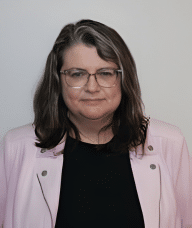
Krista Woods, RO
Krista Woods, RO, graduated with honors from Georgian College and has been a Registered Optician since 1995. She served as a NACOR Examiner from 2017 to 2024 and is an active member of the Opticians Association of Canada, the Ontario Opticians Association, the Worshipful Company of Spectacle Makers, and the International Opticians Association. In 2023, Krista’s low vision initiatives were featured in Helen Whittaker’s presentation at SILMO Singapore. Since 2017, Krista has specialized in low vision care, first through her own company, Krista Valerie Woods, and since 2022 with A Vision Above. In 2024, she began teaching Binocular Vision and Low Vision at Seneca Polytechnic.
Want to see more articles like this? Click here to subscribe to our FREE print magazine and newsletters!