
Lumenis Launches New Field Guide to Address Hidden Causes of Post‑Surgical Dissatisfaction at AAO 2026
Thursday, October 15 2026 | 15 h 24 min | News
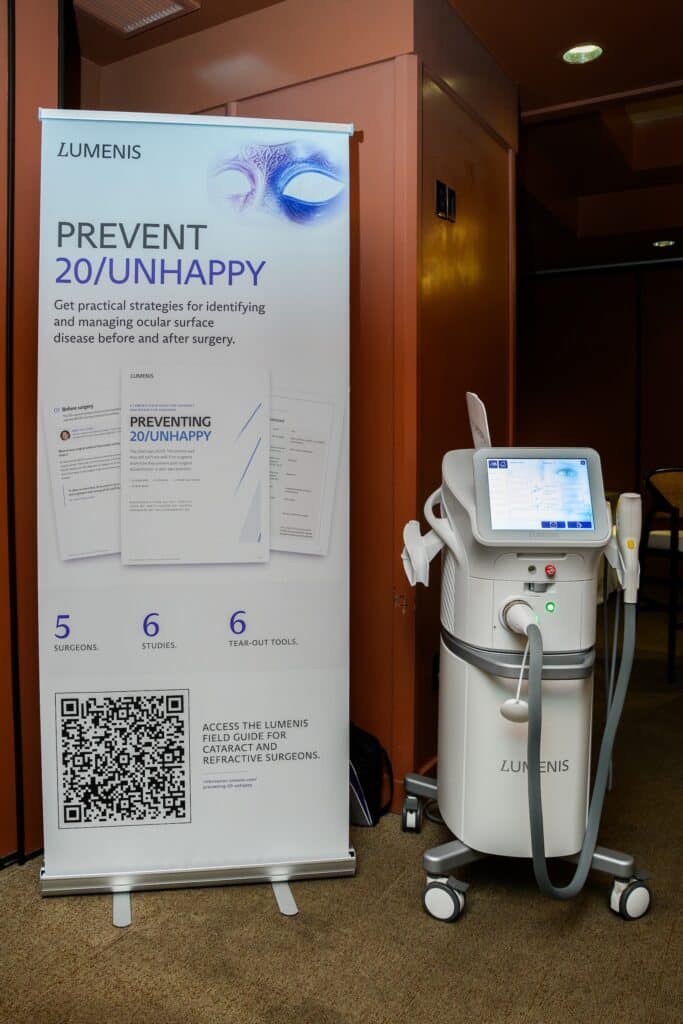
Lumenis has introduced a new perioperative ocular surface care field guide designed to help cataract and refractive surgeons identify and manage ocular surface disease that may contribute to the “unhappy 20/20 patient.” The resource, Preventing 20/Unhappy: A Field Guide for Cataract and Refractive Surgeons, debuted at the 2026 American Academy of Ophthalmology (AAO) annual meeting in New Orleans.
The guide brings together current research, insights from leading surgeons, and practical tools to help clinicians understand why excellent visual acuity does not always translate to patient satisfaction—and how ocular surface disease can undermine surgical outcomes.
A Two‑Part Guide Combining Clinical Strategy and Practice Integration
The field guide is divided into two sections:
- The Read — covering clinical considerations such as preoperative screening, matching treatment to disease severity, patient communication, and postoperative care.
- The Rollout — focusing on implementation, including demonstrating the value of ocular surface care, building the right team, and securing staff engagement.
The resource incorporates insights from five cataract and refractive surgeons—Christopher Starr, MD, FACS; Preeya Gupta, MD; Brett Levinson, MD; Shareen Greenbaum, MD; and Eric Gershenbaum, MD—along with findings from six studies. It also includes six tear‑out clinical tools designed for use in busy surgical practices.
“Ocular surface disease is so common in surgical patients that waiting to address it until after surgery is a mistake,” said Dr. Preeya Gupta, founding partner of Triangle Eye Consultants. “When patients feel their concerns are taken seriously, they’re more likely to return for future care.”
Research highlighted in the guide shows how frequently ocular surface disease goes undetected before cataract surgery. In a study co‑authored by Dr. Gupta and Dr. Starr, 80% of patients presenting for cataract evaluation had at least one abnormal tear test—even among asymptomatic patients, 85% showed abnormal results.
Unmasking Hidden Ocular Surface Issues
Dr. Starr emphasized the importance of objective testing: “If you’re relying on symptoms alone, you may miss ocular surface disease because these patients often aren’t complaining.” The guide includes a 30‑second ocular surface check designed to make screening simple and reproducible.
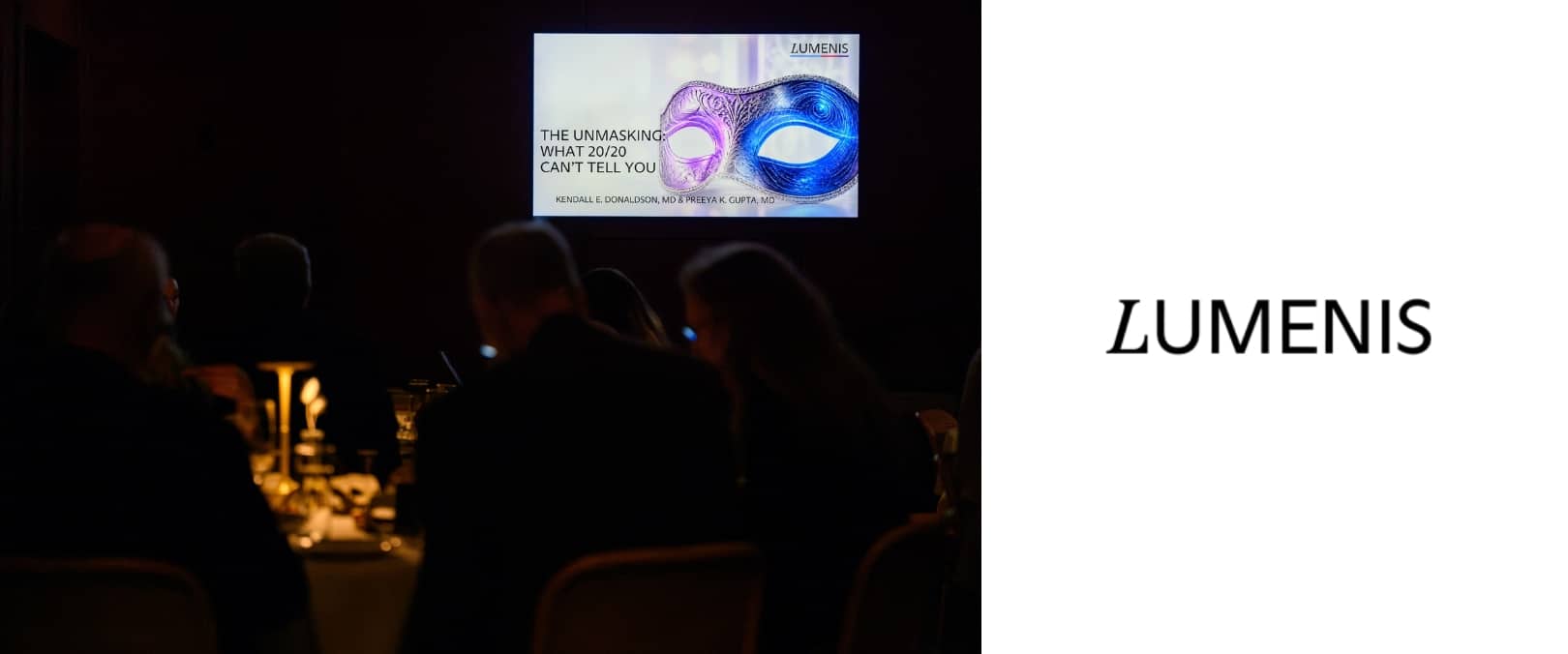
Lumenis unveiled the guide during a New Orleans‑themed masquerade dinner at AAO 2026. Attendees received Mardi Gras‑style masks, removing them together as the presentation began—a symbolic reminder that 20/20 vision can conceal underlying ocular surface concerns.




“Achieving 20/20 doesn’t guarantee a happy patient,” said Stacey Winter, President, North America, Lumenis. “Dry, irritated eyes can undermine even a technically perfect surgical outcome. This resource gives surgeons practical tools to make ocular surface care a deliberate part of the surgical journey.”
The guide also outlines treatment planning, disease severity matching, and surgical readiness. It highlights options including OptiLIGHT, the first and only FDA‑approved intense pulsed light (IPL) device for dry eye management due to meibomian gland dysfunction.
Surgeons can read or download the field guide at Information.lumenis.com/preventing-20-unhappy.
Source: Lumenis
Want to see more like this article? Click here to subscribe to our FREE print magazines and e-newsletters!