
fbpx
Indigenous Vision Care in Canada

Closing Gaps: Building Better Vision Care for Indigenous Communities

By Dr. Diana M. Monea, OD, FAAO, MHRM

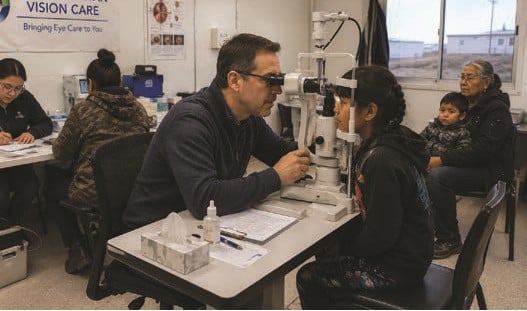
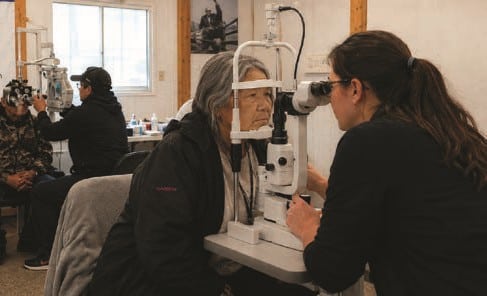
As an optometrist, I had the privilege of working with First Nations in Saskatchewan, delivering eye care services. During that time, I travelled to Indigenous reserves and remote communities, including Gordon’s Reserve, which is home to one of the last Canadian residential schools.

Those experiences formed my understanding of what vision truly requires. It is not only about diagnosing eye health conditions, determining refractive errors, and prescribing glasses, but equally about access, trust, and empathy.

Access is the Issue

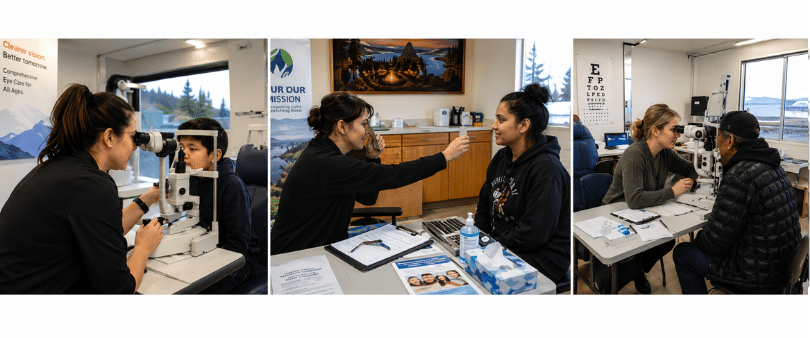
One of the most consistent realities I observed was that willingness to seek eye health care was not the issue; access was. Many parents wanted their children to receive vision care but faced long travel distances, limited transportation, weather, and economic restraints.

In many communities, bringing optometric services directly to patients was the only effective way to ensure children received comprehensive eye examinations. Adjustable scheduling, reminder systems, assistance with insurance navigation, and collaboration with Indigenous health workers can reduce barriers to such care. I found that strong partnerships with schools, community leaders, and health representatives further supported continuity of care and reduced the risk of patients being lost to follow-up.

Among the many children I examined, significant uncorrected vision problems were identified, particularly refractive errors, often accompanied by high astigmatism and myopia. Many of these children had never worn glasses or had access to a comprehensive eye health exam. With appropriate spectacle correction and visual intervention, the positive change in a child’s demeanour was often immediate, with improved vision, greater confidence, and more engaged classroom participation and learning.
It is widely believed that 80% of learning occurs through vision, a key element of education. When a child cannot see clearly, tasks such as reading, writing, and board work become unnecessarily difficult. A child who has not been seen differently becomes frustrated and feels they are not smart enough, which may result in “labelling” and limited personal expectations.

Our Role as Eye Care Practitioners

As eye care practitioners, it is critical that we help eliminate visual barriers that may impede a child’s development. Proper visual intervention, addressed early, is one of the most effective supports for a child’s sustained academic success and potential. In many provinces, the Eye See I Learn program helps educate parents and teachers about early eye health exams. In some provinces, such as Alberta, barriers to accessing spectacles are eliminated by giving a free pair of glasses through the Eye See, I Learn program for kindergarten students.

Today, barriers to accessing effective eye health care persist. Geographic isolation, transportation challenges, cost of eyewear, and inconsistent follow-up care all remain major obstacles for many Indigenous patients. Further, the tragic legacy left by residential schools has influenced a wavering, uncertain trust among Indigenous patients with respect to medical systems. As a result, culturally safe care and understanding are essential in every patient encounter.

Cultural safety requires humility, respect, and consistency, which are necessary to build trust in every situation and visit. To develop trust, eye care practitioners must hear the patient’s concern without prejudice, while clearly explaining diagnoses and treatment options. When necessary and appropriate, families may need to be involved, so always ask the patient for permission.

Industry Collaboration Helps Close the Gap

On a very favourable note, there is encouraging progress within the Canadian optical industry. Today, Canadian eyewear companies such as AYA Optical, an Indigenous Canadian spectacle frame manufacturer in British Columbia, are remodeling the industry by combining selectively designed frames with authentic Indigenous artwork, incorporating clinical eyewear needs, cultural narration, and Canadian design innovation in a meaningful way.
Closing the gap in Indigenous vision care will require commitment from all stakeholders in the healthcare system. Every examination, every conversation, and every act of cultural respect contribute to significant change. The most important lesson I have learned from years of optometric practice since 1978 is that eye care is about people first.

When patients feel respected, understood, and supported, better clinical outcomes occur. It is important for eye care practitioners to remember that better vision unseals doors—but trust is what allows people to access them.

About the Author :
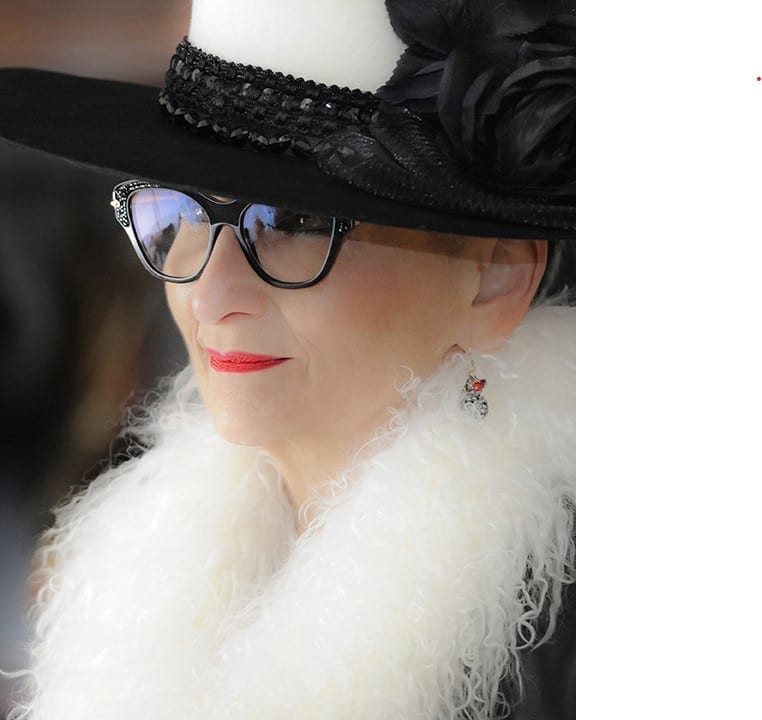
Dr. Diana Mae Monea, OD-FAAO-MHRM

Dr. Diana M. Monea, OD, FAAO, MHRM

Dr. Diana M. Monea is an award-winning optometrist, author, and keynote speaker with more than four decades of leadership in clinical practice, business ownership, and professional education. Founder and former CEO of Eye Health Centres, she now focuses on consulting, mentorship, patient care, and public speaking.

Want to see more articles like this? Click here to subscribe to our FREE print magazine and newsletters!

Featured Posts

Optometrist estate planning and charitable giving

Vision That Gives Back: Leaving a Legacy Through Estate Giving

Learn how optometrists can integrate charitable giving into their estate planning to offset tax liabilities, protect wealth, and leave a meaningful legacy.

Learn More
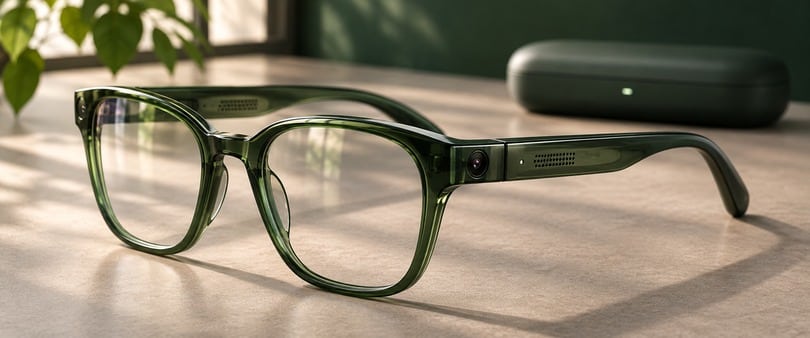
Dark green smart glasses with integrated camera and speaker vents beside a charging case.

Warby Parker Opens Preorders for Its First Intelligent Eyewear Collection

Warby Parker has opened U.S. preorders for three intelligent eyewear styles developed with Google and Samsung. The frames include a camera, speakers and microphones, and start at US$395.

Read more
Contact lens case and blister packs beside a travel pouch, suggesting a check of contact lens supplies before a trip.

Alcon Survey Finds Many Contact Lens Wearers Save Their Last Pair for Special Occasions

An Alcon survey found that 72% of U.S. contact lens wearers had saved a fresh or final pair for an important occasion, while two-thirds had reached their last pair without another supply ready.

Read more
Canadian Ophthalmological Society

Canadian Ophthalmological Society Renews Opposition to Alberta Optometry Scope Expansion

The Canadian Ophthalmological Society is renewing its call for Alberta to reconsider expanded optometry procedures, while the provincial college outlines training and oversight requirements.

Read more
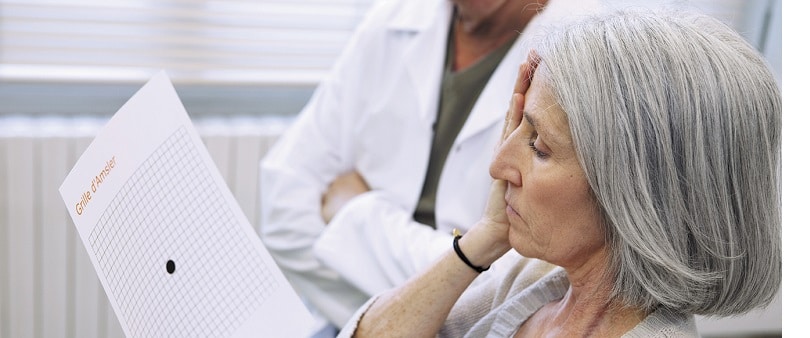
Older woman during an eye examination

Health Canada Warns of Very Rare NAION Risk With Semaglutide Drugs

Health Canada has identified a very rare possible link between semaglutide drugs and NAION, which can cause sudden vision loss, and advises urgent assessment for sudden vision changes.

Read more
Optometrist estate planning and charitable giving

Vision That Gives Back: Leaving a Legacy Through Estate Giving

Learn how optometrists can integrate charitable giving into their estate planning to offset tax liabilities, protect wealth, and leave a meaningful legacy.

Learn More
Dark green smart glasses with integrated camera and speaker vents beside a charging case.

Warby Parker Opens Preorders for Its First Intelligent Eyewear Collection

Warby Parker has opened U.S. preorders for three intelligent eyewear styles developed with Google and Samsung. The frames include a camera, speakers and microphones, and start at US$395.

Read More
Contact lens case and blister packs beside a travel pouch, suggesting a check of contact lens supplies before a trip.

Alcon Survey Finds Many Contact Lens Wearers Save Their Last Pair for Special Occasions

An Alcon survey found that 72% of U.S. contact lens wearers had saved a fresh or final pair for an important occasion, while two-thirds had reached their last pair without another supply ready.

Read More
Canadian Ophthalmological Society

Canadian Ophthalmological Society Renews Opposition to Alberta Optometry Scope Expansion

The Canadian Ophthalmological Society is renewing its call for Alberta to reconsider expanded optometry procedures, while the provincial college outlines training and oversight requirements.

Read More
Older woman during an eye examination

Health Canada Warns of Very Rare NAION Risk With Semaglutide Drugs

Health Canada has identified a very rare possible link between semaglutide drugs and NAION, which can cause sudden vision loss, and advises urgent assessment for sudden vision changes.

Read More
Optometrist estate planning and charitable giving

Vision That Gives Back: Leaving a Legacy Through Estate Giving

Learn how optometrists can integrate charitable giving into their estate planning to offset tax liabilities, protect wealth, and leave a meaningful legacy.

Learn More
Dark green smart glasses with integrated camera and speaker vents beside a charging case.

Warby Parker Opens Preorders for Its First Intelligent Eyewear Collection

Warby Parker has opened U.S. preorders for three intelligent eyewear styles developed with Google and Samsung. The frames include a camera, speakers and microphones, and start at US$395.

Read more
Contact lens case and blister packs beside a travel pouch, suggesting a check of contact lens supplies before a trip.

Alcon Survey Finds Many Contact Lens Wearers Save Their Last Pair for Special Occasions

An Alcon survey found that 72% of U.S. contact lens wearers had saved a fresh or final pair for an important occasion, while two-thirds had reached their last pair without another supply ready.

Read more
Canadian Ophthalmological Society

Canadian Ophthalmological Society Renews Opposition to Alberta Optometry Scope Expansion

The Canadian Ophthalmological Society is renewing its call for Alberta to reconsider expanded optometry procedures, while the provincial college outlines training and oversight requirements.

Read more
Older woman during an eye examination

Health Canada Warns of Very Rare NAION Risk With Semaglutide Drugs

Health Canada has identified a very rare possible link between semaglutide drugs and NAION, which can cause sudden vision loss, and advises urgent assessment for sudden vision changes.

Read more