fbpx

New Myopia Profile Website Offers Enhanced Educational Resources

Myopia Profile

Myopia Profile announced the launch of its redesigned website, www.myopiaprofile.com. The updated platform introduces an array of innovative features and expanded functionalities, curated to streamline and elevate the myopia management learning experience. In addition, two new features will further support ECPs by providing more in-depth product information and an advanced search functionality.

“The new website represents a significant step forward in our commitment to providing ECPs with essential resources for effective myopia management,” said Dr. Paul Gifford, co-founder of Myopia Profile. “A seamless user experience empowers the eye care community through a wealth of resources and insights that ultimately translate into better patient outcomes.”

Introducing the Myopia Control Product Compendium

The revamped site includes a new Myopia Control Product Compendium (www.myopiaprofile.com/products), which combines articles, case studies, and science reviews with tailored information on products for myopia control. This world-first resource empowers ECPs to understand the available options, their effectiveness, and how to best prescribe them for patients’ unique needs. Each product listing within the Compendium includes direct links to specific topical articles, along with a collection of prescribing resources provided by the respective companies.

Enhanced Knowledge Centre with Advanced Search Capabilities

Another new addition is a user-friendly, powerful Knowledge Centre with enhanced search capabilities. ECPs can now effortlessly search this more than 500-piece encyclopedic volume of information for both clinical (www.myopiaprofile.com/articles/category/clinical) and science articles (www.myopiaprofile.com/articles/category/science). Open-field search provides instant access to sought-after knowledge. Guided search options are also available, where ECPs can explore by article type or choose from 22 curated topic headings. 

The new website launch comes just ahead of Myopia Profile’s first annual Myopia Action Month, scheduled to begin in September 2023.

Click HERE for the full press release.

Other related articles available HERE.

MYOPIA Management; A Bright Future with Contact Lenses

By Dr. Shaun Rawana, OD

Myopia has recently been classified as a public health epidemic by the World Health Organization (WHO) and recognized as the leading cause of visual impairment. Myopic eyes are associated with increased incidence of ocular complications, with high myopes being more susceptible to conditions such as glaucoma, cataract, and retinal detachment.   

Although a natural variant of refractive error, myopia’s recent increased pervasiveness can be attributed to the changes in culture and modern-day life. Growing evidence from recent studies suggest greater near activity to be a risk factor in myopia onset and progression in childhood, whereas greater time spent outdoors was found as a protective factor.  

Studies suggest young individuals around 6 to 7 years of age show the greatest changes in refractive error and axial length elongation of the eye. Of this age group females progressed quicker than males, while those with two myopic parents progressed the quickest. A reduction in myopia of just 1D may provide up to a 40% reduction in the risk of developing myopic maculopathy disorders later in life.  

The Theory Behind Device Design

Despite decades of study and research, a complete explanation to the mystery of myopic development continues to elude us. Animal primate models strongly support the peripheral hyperopic blur theory, which has shown hyperopic induced blur in the peripheral retina promotes axial length elongation, while myopic induced blur signals a halting to the process. Although this theory is far from universally accepted, and likely only part of the multifactorial influences in myopia onset and progression, most myopia management tools available today incorporate design aspects based on this theory.

With respect to ophthalmic devices, contact lenses used for myopia management may be the most effective means of mitigation, providing the greatest mean reduction in progression over the longest period. This finding is likely due to the relative area of peripheral retina exposed to myopic blur from each modality, being greater with contact lenses and more limited with spectacles.

Ortho-k Lenses: Underutilized Potential

In terms of contact lens options, orthokeratology (ortho-k) has been considered the mainstay of the modality. Yet, despite the efficacy of ortho-k fits, the lenses have never gained the mainstream popularity and use one may have assumed. From a practitioner perspective, this may be due to the time and cost associated with the fitting process, the skill required in RGP fits and the investment in specialized equipment, like a corneal topographer or OCT technology, necessary for corneal monitoring. Passing these costs on to the patient may also be difficult in certain demographics. From the patient perspective, comfort may be an issue if the lens is fit poorly. Additionally, the multiple follow up visits, to ensure proper corneal positioning may be problematic for some patients. Regardless of the reasons behind orthokeratology’s ill adoption, it remains an effective tool in myopia management and mitigation.

Both ortho-k lenses and soft contact lenses for myopia management create myopic peripheral blur while providing clear central vision. In the case of myopia management lenses, like predecessor multifocal lenses, dual zones of focus limit hyperopic peripheral blur and can be designed to produce myopic blur in the periphery while leaving accommodation unaffected. 

Advantages of Soft Contact Lenses

Soft contact lenses have found greater acceptance by both patients and practitioners and provide an excellent entry point for myopia management as they are generally easier to fit and more easily adapted to. Unlike ortho-k lenses, soft contact lenses do not manipulate the corneal surface and therefore a corneal topographer is not required.  Although monitoring changes in refractive error may be sufficient in limiting myopic progression when utilizing soft contact lenses, A-scan ultrasound measurement of the eye’s axial length provides a more definitive measure of lens efficacy in myopia mitigation.

Due to the customizability of ortho-k lenses to influence specific areas of the peripheral retina, they remain the best, yet an underutilized modality in myopia management.  Applications to astigmatic correction and potential myopia reversal must be further investigated with respect to ortho-k lenses. These are currently being addressed in studies.  The introduction of soft contact lenses for myopia management by the large contact lens manufacturer CooperVision, is a promising sign that this troubling trend has finally been recognized. 

The evolution of contact lenses in myopia management appears to have a bright future. Novel extended depth of focus (EDOF) lenses, soft radial refractive gradient (SRRG) lenses and concept in-vitro release of anti-muscarinic drugs from a soft contact lens are all being investigated, yielding encouraging results.

Read Dr. Rawana’s article in the July-August issue of Optik HERE.

A New Approach to Vision Restoration for Inherited Retinal Diseases

Fighting Blindness Canada research

Dr. Michel Cayouette’s team (University of Montreal) has found a way to reactivate cells in the retina and turn them into light-sensing cells, potentially replacing those lost in retinal degeneration in work funded by Fighting Blindness Canada.

Vision loss in inherited retinal diseases (IRDs) is caused by death of photoreceptor cells in the retina. While gene therapy approaches may slow or stop photoreceptor degeneration, they cannot restore vision in advanced disease once a lot of photoreceptors are lost. Therefore, many researchers are looking at ways to replace lost cells and restore sight.

Dr. Cayouette’s team discovered that a type of cell in the retina, called a Müller glial cell, can be transformed into a cell that has some of the same properties and function as photoreceptor cells.  Turning on cells that are already in a person’s eye and could avoid the need for cell transplantation.

In the next steps, Dr. Cayouette’s team will be trying to improve the transformation technique to create cells that are as similar to photoreceptors as possible and therefore are more likely to regenerate vision.

The Retina: An Emerging Frontier in Alzheimer’s Detection

The retina, an extension of the brain, is rapidly gaining attention in the realm of Alzheimer’s disease detection.

Originating from the brain during embryonic development, this multi-layered neuronal tissue is essentially a part of the central nervous system. With mounting evidence suggesting that brain changes can be reflected in the retina, scientists are focusing on it as a potential early screening tool for Alzheimer’s, which currently affects millions in North America. 

From Autopsy to Advanced Imaging:
Historically, definitive Alzheimer’s diagnosis was possible only posthumously through brain autopsies. However, since the early 2000s, technological advancements have enabled the detection of early-stage disease markers. Contemporary diagnostic methods like PET brain imaging and tests of cerebrospinal fluid (CSF) now aid in recognizing Alzheimer’s in its initial phases.

Although monumental, these techniques can be expensive, invasive, and sometimes inaccessible. The challenges associated with such methods highlight the pressing need for simpler, non-invasive, and affordable diagnostic tools.

Enter: The Retina.
This is where the retina, being a direct offshoot of the brain and accessible through non-invasive means, shines as a prospective target.

Researchers have honed in on beta-amyloid, a peptide that forms detrimental plaques in Alzheimer’s-affected brains, as a retinal marker. This protein fragment is believed to also amass in the retina, potentially even before any clinical symptoms emerge.

A pioneering method called hyperspectral imaging, capable of capturing images at various light wavelengths, was introduced by scientists Robert Vince and Swati More from the University of Minnesota in 2014. They identified amyloid aggregates in mouse retinas and later correlated these with brain accumulations.

Canadian Medical Initiative
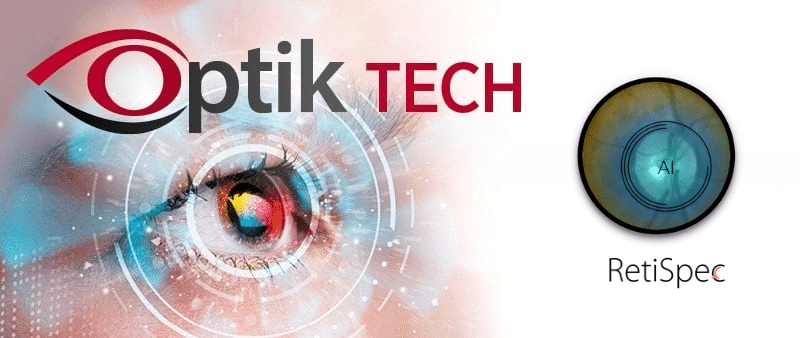
The team has since licensed the technique to a Canadian medical imaging company, RetiSpec, which combines it with a machine-learning algorithm that pinpoints amyloid clumps in hyperspectral images. Investigators at multiple facilities across North America are now conducting clinical trials to examine this technique’s efficacy.

Trial data have shown promising results, with retina-based tests accurately identifying and excluding brain amyloid presence 86% and 80% of the time, respectively.

While more data is needed, leaders in the field, like Sharon Cohen, medical director at Toronto Memory Program, are optimistic about the technology’s eventual approval and widespread adoption.

Parallel research endeavors have observed amyloid in retinas even in the absence of cognitive symptoms, furthering the scope for retina-based screenings. Other indicators like retinal thickness, anatomical changes, and blood vessel alterations are also under investigation, potentially providing a comprehensive insight into early Alzheimer’s signs.

Despite the enthusiasm, there are cautionary voices. Some scientists, including Robert Rissman, are circumspect about the validity and consistency of the findings across different labs.

The exact methodology for amyloid identification in retinas remains under debate, with variations observed in imaging outcomes across facilities.

Nonetheless, as Rebecca Edelmayer from the Alzheimer’s Association remarks, early detection using tools like retinal imaging can potentially revolutionize the trajectory of Alzheimer’s care, making it a compelling domain of research.

CORE Publishes Guidance on Ocular Surface Immunology for Better Patient Care

Centre for Ocular Research & Education (CORE)

In response to increased clinical interest regarding ocular surface immunology, the Centre for Ocular Research & Education (CORE) has published a collection of resources to create a greater understanding among the global eye care community.

Issue 73 of Contact Lens Update focuses on the topic and is available by visiting ContactLensUpdate.com.

“The ocular surface forms the main line of defence in protecting the eye against external pathogens and has a crucial inflammation-regulating role. Inflammatory eye conditions disrupt the homeostasis of the immune system and can result in reduced quality of life or permanent sight loss,” said Lyndon Jones, director of CORE. “Increased awareness of the pathophysiology, early diagnosis, and effective management of ocular surface disease can benefit practitioners and patients alike.”

In primary eye care settings, immunological conditions that impact the ocular surface are routinely observed in people suffering from allergic conjunctivitis, dry eye, Sjögren’s syndrome, and rheumatoid arthritis. As knowledge of ocular surface immunology continues to evolve, eye care practitioners who are familiar with the latest research and treatment options can offer a higher standard of care.

Contact Lens Update Issue 73 Contributors (clockwise from top left): Sezen Karakus, Jeremy Chung Bo Chiang, Barbara Caffery, and Elyana Locatelli.

Sezen Karakus, assistant professor at the Wilmer Eye Institute, Johns Hopkins University School of Medicine, shares her expertise in the issue’s editorial.

The feature article is authored by Jeremy Chung Bo Chiang, a postdoctoral research associate at Aston University. He succinctly presents the four stages underlying the immunopathogensis of dry eye disease, followed by valuable information about current topical ophthalmic treatments, their mechanisms of action, and clinical tips.

Barbara Caffery, an optometrist at Toronto Eye Care and former president of the American Academy of Optometry, shares her knowledge in the issue’s clinical insight column. The case report details a patient’s journey through an initial examination, dry eye diagnosis, and management. She then poses important questions that can help identify people who may have Sjögren’s syndrome and delves into additional tests required for diagnosis.

The conference highlight is contributed by Elyana Locatelli, a pre-medical student and research fellow at the Bascom Palmer Eye Institute, University of Miami. Based on her poster that was presented at the Association for Research in Vision and Ophthalmology 2023 annual meeting, the retrospective study examines the subjective preference of cyclosporine compared to lifitegrast in patients with dry eye and investigates whether any patient factors were associated with medication choice.

Click HERE for the full press release.

For other related articles, click HERE.

Featured Posts

Eye On the Industry podcast EOTI

Eye on the Industry – Episode 7: Mindset, Marketing, and Coaching: A New Growth Model for Independent Optometry

In Episode 7 of Eye on the Industry, Kevin Wilhelm discusses mindset, marketing, coaching, and the acquisition of Cleinman Performance Partners—revealing a new growth model for independent optometry practices.

Learn More
Canadian Association of Optometrists logo

CAO Appoints Joelle Walker as New CEO, Effective January 2026

The Canadian Association of Optometrists has appointed Joelle Walker as its new CEO, effective January 2026, succeeding François Couillard after more than 40 years of leadership.

Read more
World Council of Optometry

ECPs Share How they Use the WCO Alcon Dry Eye Wheel in New Video

The World Council of Optometry and Alcon have released a new video featuring eye care professionals from around the world sharing how they use the Dry Eye Wheel to support dry eye diagnosis, education, and management.

Read more
Optik Voilàs November-December 2025- COS Silhouette SPX_Illusion_2978_5530

SPX Illusion 2025: Lightness Meets Bold Style

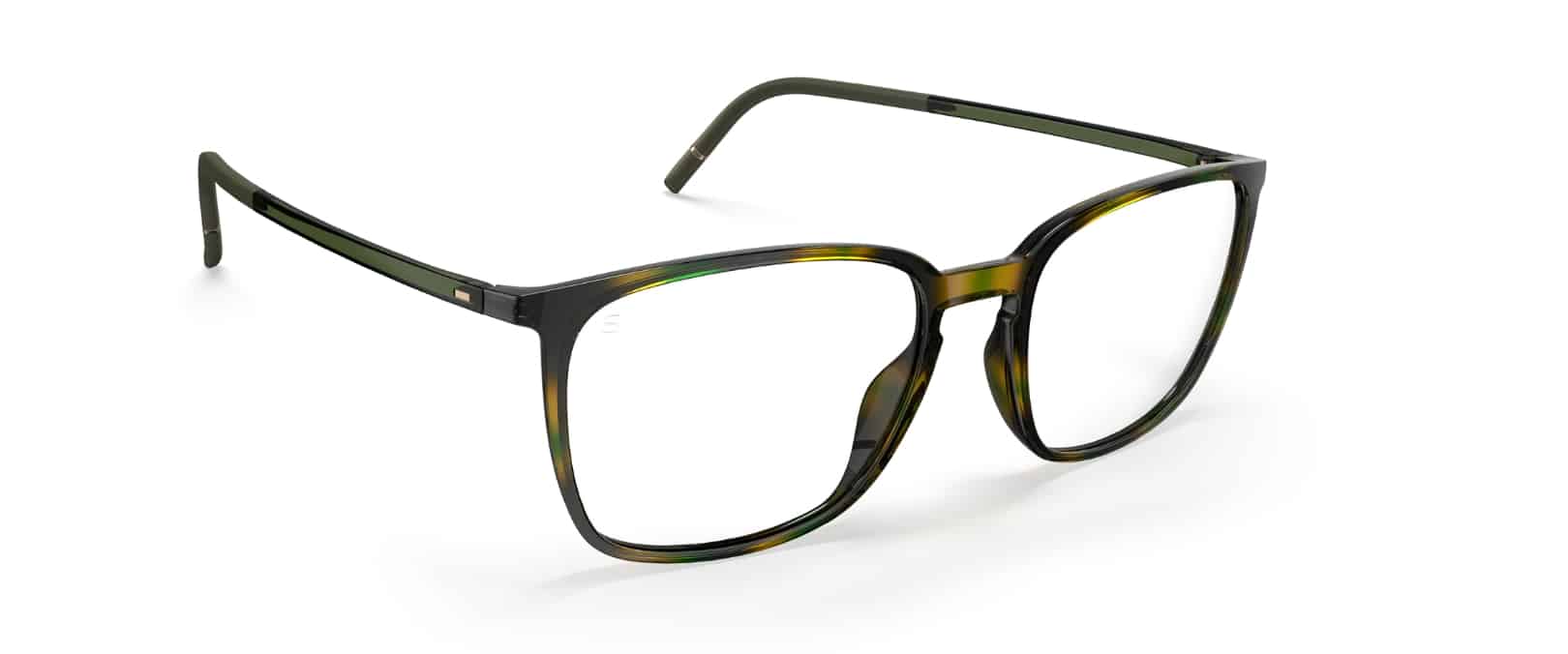
Silhouette unveils SPX Illusion 2025, featuring two new lightweight shapes— including a striking geometric design—offered in five trend-forward colors like Canary Green Havana and Smokey Blossom. A refined, featherlight way to express personal style with elegance.

Read more
EssilorLuxottica

EssilorLuxottica Expands Ophthalmology Footprint with Acquisition of Signifeye

EssilorLuxottica will acquire Signifeye, adding 15 Belgian clinics to its growing ophthalmology network and strengthening its integrated medical eye-care strategy.

Read more
Eye On the Industry podcast EOTI

Eye on the Industry – Episode 7: Mindset, Marketing, and Coaching: A New Growth Model for Independent Optometry

In Episode 7 of Eye on the Industry, Kevin Wilhelm discusses mindset, marketing, coaching, and the acquisition of Cleinman Performance Partners—revealing a new growth model for independent optometry practices.

Learn More
Canadian Association of Optometrists logo

CAO Appoints Joelle Walker as New CEO, Effective January 2026

The Canadian Association of Optometrists has appointed Joelle Walker as its new CEO, effective January 2026, succeeding François Couillard after more than 40 years of leadership.

Read More
World Council of Optometry

ECPs Share How they Use the WCO Alcon Dry Eye Wheel in New Video

The World Council of Optometry and Alcon have released a new video featuring eye care professionals from around the world sharing how they use the Dry Eye Wheel to support dry eye diagnosis, education, and management.

Read More
Optik Voilàs November-December 2025- COS Silhouette SPX_Illusion_2978_5530

SPX Illusion 2025: Lightness Meets Bold Style

Silhouette unveils SPX Illusion 2025, featuring two new lightweight shapes— including a striking geometric design—offered in five trend-forward colors like Canary Green Havana and Smokey Blossom. A refined, featherlight way to express personal style with elegance.

Read More
EssilorLuxottica

EssilorLuxottica Expands Ophthalmology Footprint with Acquisition of Signifeye

EssilorLuxottica will acquire Signifeye, adding 15 Belgian clinics to its growing ophthalmology network and strengthening its integrated medical eye-care strategy.

Read More
Eye On the Industry podcast EOTI

Eye on the Industry – Episode 7: Mindset, Marketing, and Coaching: A New Growth Model for Independent Optometry

In Episode 7 of Eye on the Industry, Kevin Wilhelm discusses mindset, marketing, coaching, and the acquisition of Cleinman Performance Partners—revealing a new growth model for independent optometry practices.

Learn More
Canadian Association of Optometrists logo

CAO Appoints Joelle Walker as New CEO, Effective January 2026

The Canadian Association of Optometrists has appointed Joelle Walker as its new CEO, effective January 2026, succeeding François Couillard after more than 40 years of leadership.

Read more
World Council of Optometry

ECPs Share How they Use the WCO Alcon Dry Eye Wheel in New Video

The World Council of Optometry and Alcon have released a new video featuring eye care professionals from around the world sharing how they use the Dry Eye Wheel to support dry eye diagnosis, education, and management.

Read more
Optik Voilàs November-December 2025- COS Silhouette SPX_Illusion_2978_5530

SPX Illusion 2025: Lightness Meets Bold Style

Silhouette unveils SPX Illusion 2025, featuring two new lightweight shapes— including a striking geometric design—offered in five trend-forward colors like Canary Green Havana and Smokey Blossom. A refined, featherlight way to express personal style with elegance.

Read more
EssilorLuxottica

EssilorLuxottica Expands Ophthalmology Footprint with Acquisition of Signifeye

EssilorLuxottica will acquire Signifeye, adding 15 Belgian clinics to its growing ophthalmology network and strengthening its integrated medical eye-care strategy.

Read more
Eye On the Industry podcast EOTI

Eye on the Industry – Episode 7: Mindset, Marketing, and Coaching: A New Growth Model for Independent Optometry

In Episode 7 of Eye on the Industry, Kevin Wilhelm discusses mindset, marketing, coaching, and the acquisition of Cleinman Performance Partners—revealing a new growth model for independent optometry practices.

Learn More
Canadian Association of Optometrists logo

CAO Appoints Joelle Walker as New CEO, Effective January 2026

The Canadian Association of Optometrists has appointed Joelle Walker as its new CEO, effective January 2026, succeeding François Couillard after more than 40 years of leadership.

Read more
World Council of Optometry

ECPs Share How they Use the WCO Alcon Dry Eye Wheel in New Video

The World Council of Optometry and Alcon have released a new video featuring eye care professionals from around the world sharing how they use the Dry Eye Wheel to support dry eye diagnosis, education, and management.

Read more
Optik Voilàs November-December 2025- COS Silhouette SPX_Illusion_2978_5530

SPX Illusion 2025: Lightness Meets Bold Style

Silhouette unveils SPX Illusion 2025, featuring two new lightweight shapes— including a striking geometric design—offered in five trend-forward colors like Canary Green Havana and Smokey Blossom. A refined, featherlight way to express personal style with elegance.

Read more
EssilorLuxottica

EssilorLuxottica Expands Ophthalmology Footprint with Acquisition of Signifeye

EssilorLuxottica will acquire Signifeye, adding 15 Belgian clinics to its growing ophthalmology network and strengthening its integrated medical eye-care strategy.

Read more