fbpx

Presenting the Cartoon Collection, Etnia Barcelona’s New Campaign for the KIDS SS24 Collection

Etnia Barcelona Kids BA-BAAAANG

Etnia Barcelona’s Cartoon Collection revives the magic of comics and translates it into the world of glasses, inviting the little ones to express their personality, creativity, and uniqueness through fun shapes and vibrant colours.

The featured model ‘BA-BAAAANG!’ (offered in six colours) was awarded the SILMO d’Or 2023 prize for the most innovative and creative design in the “Kids” category.

Distributed by: www.etniabarcelona.com

About Etnia Barcelona :

CREATING GLASSES FOR THREE GENERATIONS

In the 1950s, Fulgencio Ramo—grandfather of David Pellicer, who is the current owner of the company—created his first eyewear factory. His children helped out there and quickly acquired all of the know-how of the business to take over the reins. This second generation designed, created and distributed the glasses all over Spain, but it was not until the 1990s when David Pellicer joined the company with the dream of creating something new.

AN INDEPENDENT EYEWEAR BRAND

David brought colour to a product that, up until that point, had only been brown or black. If there was one thing he knew, it was that he did not want to dedicate his efforts to just manufacturing glasses; he wanted something more. That something was creating a brand. A brand that embodied the idea of being free, human and respectful towards all ethnicities. He wanted a brand that thought of all people and forms of expression through colour and art. That’s how Etnia Barcelona was born.

Want to see more like this article? Click here to subscribe to our FREE print magazines and e- newsletters!

Integrating Vision Therapy into Your Clinic

Vision therapy clinic setup

By Dr. Jenny Lee, OD

Vision therapy is an exciting avenue for optometrists to expand their scope of practice and provide more resources to patients looking to improve their vision. However, it can be difficult to know where to begin and how to establish vision therapy in your clinic.

The equipment you purchase can serve as an excellent starting point, but it’s important to select equipment with intention and use it to supplement your program.

Part of what makes building a vision therapy clinic from the ground up so daunting are the associated costs of the infrastructure required for vision therapy to happen. Purchasing quality equipment from reputable companies ensures that materials are correctly calibrated for their intended purpose and standardized between patients. While there are a plethora of activities and tools to purchase for the vision therapy space and the exam room, it’s best to start simple and build up your equipment as needs arise.

Select equipment that can be used for your strabismic, amblyopic, post-concussion, and non-strabismic patients. Incorporate tools that can be used for multiple different areas of training – for instance, flippers and loose prisms can be added to many activities to incorporate easy accommodation and vergence training, and red and green glasses with red and green acetate sheets can incorporate anti-suppression and binocular therapy regardless of the activity. Online training and virtual reality are becoming increasingly popular but are not a necessity for a solid foundation.

The value of vision therapy comes from the equipment you provide and from the program’s structure. While there are certain costs for larger equipment and the need for a dedicated vision therapy space, these initial investments can go a long way in your practice. Many activities are paper-based – hidden picture books and i-Spy games can be easily adapted as vision therapy activities. Providing a workbook with activities or instructions, or a starter kit for your patients can be especially helpful so they feel that they have more resources outside of the vision therapy room. Filming instructional videos and writing your own instructions that can be exclusively accessed by your patients may be time consuming but provide more inherent value than investing in equipment that can easily be purchased.  

Your staff – both vision therapists and front desk – will serve as the backbone of your program. Providing sufficient guidance will ensure success for your patients.

Before getting your first patient in vision therapy, priming your front desk staff is key. Your staff will need a basic understanding of what kind of symptoms and concerns patients might have that may warrant a binocular vision assessment. The concerns raised by a longstanding strabismic patient will be different than those of a post-concussion patient with a history of a motor vehicle accident, and your front desk will be the first point of contact with your clinic to help others understand if your clinic is right for them.

The guidance a patient receives from their vision therapist can make or break their experience. There are many courses on the market for prospective vision therapists which can be daunting if you don’t know where to start. Because there is no dedicated educational institution for vision therapy, it’s often easier to cultivate these skills in an established staff member who would be open to the opportunity rather than hiring directly for the position, especially if the vision therapist has followed a different structure for quite some time. An excellent pre-tester who works well with children and is looking for an opportunity to stay with your practice for the long term may be the perfect candidate, even if they lack prior knowledge.

Becoming a vision therapist is highly rewarding but requires time, dedication, and creativity. For your program to thrive, acknowledging this fact and investing the time in your vision therapists will ensure success. Ultimately, your patients will spend far more time with your vision therapists than in your chair.  

For your patient base to grow and flourish, advocacy and accessibility are key.  

Vision therapy clinic meeting with other professionals

One of the most common sources of referrals for vision therapy comes from other allied health professionals, such as other optometrists, physiotherapists, occupational therapists, or school nurses. It’s difficult for patients, especially those who have been told they have 20/20 vision, to attribute their symptoms to a binocular vision issue. Your patients coming in for their routine eye exam can be a good source of internal referrals to start, but to continue to build a sufficient patient base, you will want to advocate for the services your clinic offers to other health professionals.

People with binocular vision disorders may often present with concurrent difficulties with gait, balance, and sustained tasks; they are more likely to seek services such as physiotherapy and osteopathy to remedy these symptoms. Reach out to these clinics and offer to set aside a day for interprofessional development where you and your staff can introduce your programs and when a referral might be warranted. Offer to come to a local school one day where you can provide quick vision screenings and educate teachers on signs and symptoms of vision related learning difficulties so that they are primed to point parents in the right direction.

Incorporating vision therapy into your practice will take time and dedication but is well worth the effort and immensely rewarding. Understanding that the initial investment will take adjustment and patience will set you up for success in the long run.  

Want to see more like this article? Click here to subscribe to our FREE print magazines and e-newsletters!

Lool Eyewear: A Sophisticated and Decorative Collection with Luxury Finishes Inspired by Art Deco

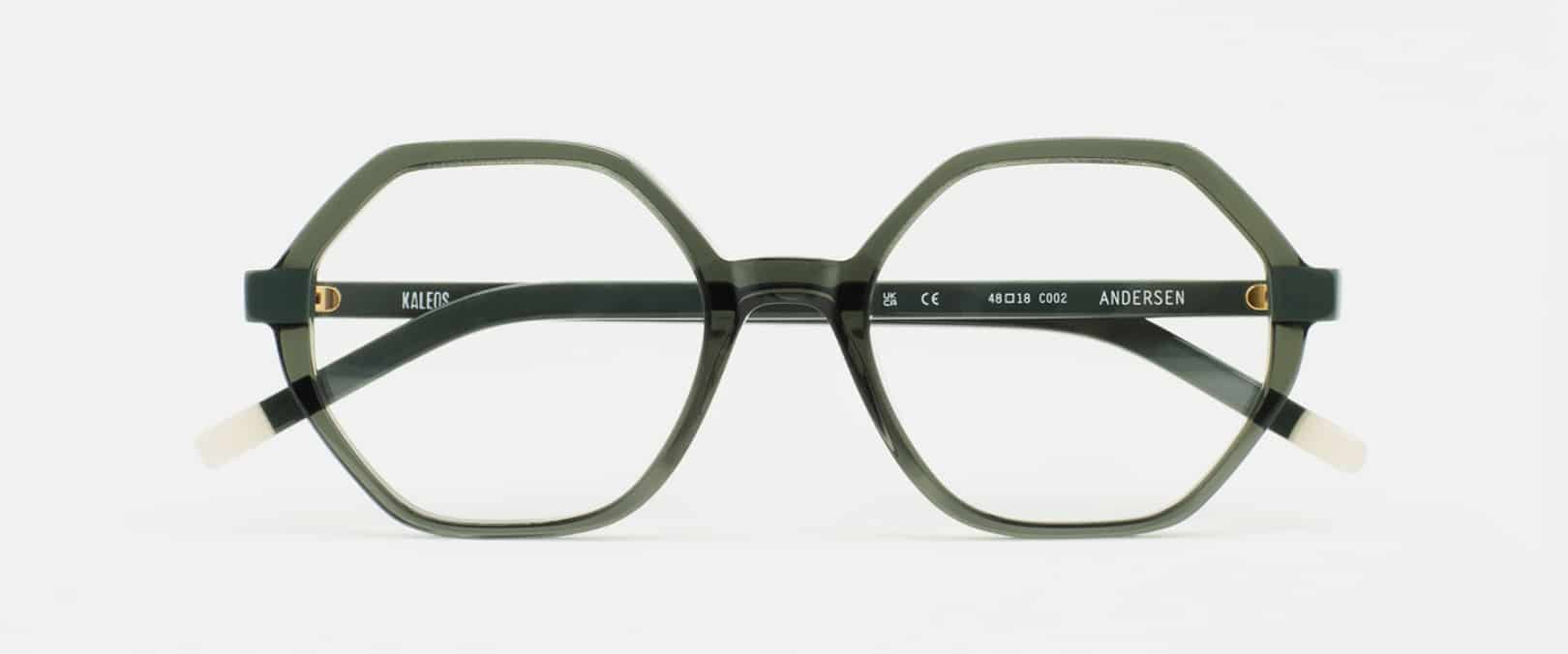
lool eyewear Meissa

lool eyewear, the technical segment brand of Etnia Eyewear Culture, introduces a new collection for Deco Series. As always, lool demonstrates its leadership in technology, offering a collection where luxury and details coexist with comfort, lightweight (8g), excellent flexible properties and high durability.

Featured model: Meissa

Distributed by: www.looleyewear.com

About lool eyewear:

A project that was born trying to create the best screwless hinge.

Since its inception, lool has recognized itself as a multidisciplinary design studio where different profiles collaborate with a common goal. Once we meet our goal of creating the best screwless hinge, we focus on designing and producing creative frames that are functional and lightweight.

lool is a multidisciplinary creative studio based in Barcelona. Our team is born from the mixture of different disciplines such as advertising, branding, design, fashion and journalism, which allows us to have a unique and fresh vision in the field of optics.

Want to see more like this article? Click here to subscribe to our FREE print magazines and e- newsletters!

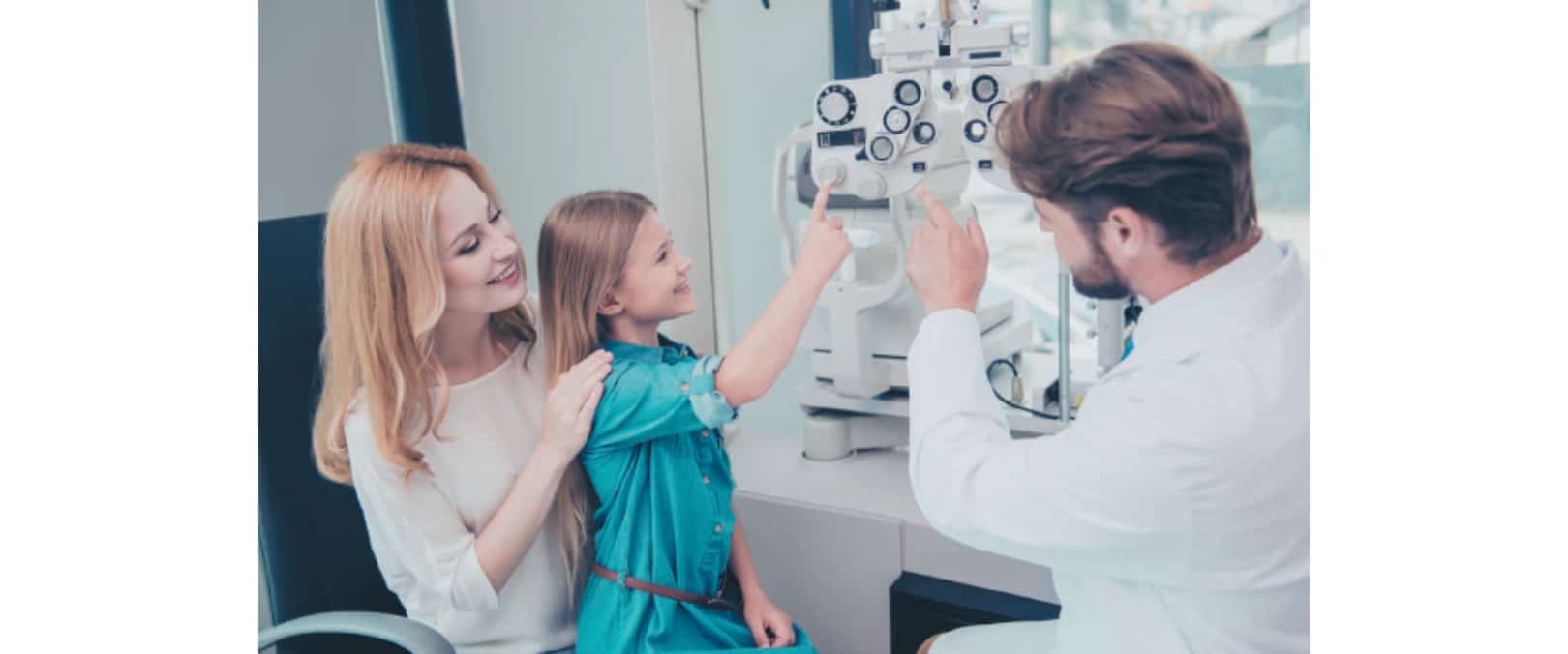
CAO Releases Position Paper on Vision Screening and Comprehensive Eye Exams

Canadian Association of Optometrists position paper on vision screening

In response to the growing concerns about children’s vision health and the effectiveness of current vision screening programs, the Canadian Association of Optometrists (CAO) released a updated position paper on July 18 to address the need for standardized and comprehensive pediatric eye care.

This paper underscores the significance of early detection and treatment of vision issues such as refractive errors, amblyopia, and strabismus, which, if left unaddressed, can profoundly impact children’s academic performance, social interactions, and overall quality of life. The CAO aims to highlight the shortcomings of existing vision screening programs and advocate for an integrated approach that ensures all children have access to thorough and effective eye care.

Limited evidence from small Canadian studies aligns with international research, showing that 10-14% of young children have vision impairment, mainly due to refractive errors like astigmatism and hyperopia, followed by amblyopia and strabismus. Additionally, myopia, another common refractive error, is increasing rapidly among children. A 2018 study in Ontario revealed that 6% of children aged six to eight years and 30% of children aged 11 to 13 years were myopic.

Vision impairment can negatively impact children’s academic performance, social interactions, self-esteem, and overall quality of life. Early childhood is crucial for visual development, making timely and appropriate vision and eye care essential.

Children’s vision screening programs in Canada need improvements

Public and school screening programs lack standardization, and there is limited empirical evidence to support their efficacy and cost-effectiveness. Vision screening aims to identify children with risk factors for vision problems and refer them to eye care professionals for further examination and treatment. Early detection, particularly for conditions like amblyopia, is crucial for better outcomes.

Primary care providers conduct well-baby and child visits for children up to five years of age, incorporating vision screening into these check-ups. Tests like the red reflex test for ocular diseases, the cover/uncover test for strabismus, and visual acuity tests are conducted between ages three to five.

Limitations of Vision Screening Programs

Several limitations hinder the effectiveness of children’s vision screening programs:

  • Limited Efficacy Evidence: Although programs like Quebec’s École de la Vue have shown success, there is insufficient evidence to conclusively prove the efficacy of vision screening in improving outcomes.
  • Accuracy of Screening Tools: The accuracy of screening tools varies, leading to false positives and unnecessary referrals. There is also insufficient evidence to demonstrate the accuracy of community screenings conducted by non-experts.
  • Compliance Issues: Vision screening programs often face challenges with compliance, as not all eligible children participate or receive follow-up care. Studies show that many children identified for follow-up do not receive the necessary care, indicating a need for improved compliance measures.
  • Socioeconomic Disparities: Vision screening programs may exacerbate social disparities, as children from deprived areas may be at higher risk of vision problems but face barriers to accessing care. Lower follow-up rates in school districts with high concentrations of Black students and students living in poverty highlight this issue.
  • Misunderstanding Screening vs. Comprehensive Exams: Parents may confuse vision screening with comprehensive eye examinations, potentially leading to inadequate follow-up care.

Comprehensive Eye Exams

Comprehensive eye exams conducted by optometrists provide a full assessment of a child’s vision and eye health. Unlike vision screenings, these exams diagnose conditions like amblyopia, strabismus, uncorrected refractive errors, and more serious conditions such as cataracts and retinoblastoma. Optometrists can also refer children to specialists if needed.

Despite their importance, many children do not receive comprehensive eye exams according to Canadian guidelines. A 2018 Ontario study found that 35% of children with myopia were uncorrected. Effective communication of exam results and educating caregivers about visual health are essential components of the comprehensive eye examination process.

Policy Position and Recommendations

Vision issues significantly affect children’s health and development. The Canadian Association of Optometrists emphasizes the need for effective vision care strategies that ensure prevention, early detection, and treatment.

The Association calls for a comprehensive approach to pediatric vision care that integrates vision screening with comprehensive eye care. This approach should include:

  • Integration of Vision Screening and Comprehensive Eye Care: Develop a model that seamlessly integrates vision screening within a broader pediatric eye care framework, ensuring prompt referrals and comprehensive care.
  • Engagement of Trained Professionals: Involve trained professionals, especially optometrists, in planning and executing screening programs to ensure appropriate care and referrals.
  • Parental and Community Education: Increase awareness among parents, caregivers, and communities about the importance of early detection and treatment of vision issues, and clarify the difference between vision screening and comprehensive eye exams.
  • Standardization of Protocols: Develop and implement national screening protocols to address variability and lack of standardization in current practices, ensuring evidence-based and adaptable protocols.

The Canadian Association of Optometrists cautions against conflating vision screening with comprehensive eye exams. Every child must undergo comprehensive eye exams according to current frequency guidelines, regardless of whether they have been screened at school or in the community.

Visit the Canadian Association of Optometrists’ website to view the full Position Paper

Embracing a Child’s Individualism: A Custom Approach to Dispensing

SBspecs Superman frame ajustments for kids

By Sarah Bureau, RO

From the moment a child is born, every decision is made for them by the people who love them.  What to wear, what to eat, when to be awake and asleep, the list goes on and on. 

SBspecs frame ajustments for kids with ECP

This is a very necessary step in their development.  As they grow older, it is a wonderful thing to watch them become more independent, honing in on their unique likes and dislikes about the world around them. While some of this growth can be a frustrating battle of wills between child and caregiver, it is an incredibly important stage in their development. From preferences in colour and style to their favourite movie or cartoon character, each and every child matures into their authentic self.

When it comes to a child needing eyeglasses, we should also embrace the magic of their newfound independence. There is something inspiring about a child’s steadfast dedication to what makes them happy in their unique choices. The world hasn’t tried to make them believe they can’t wear head to toe hot pink or a superhero cape every day or their shoes on the wrong feet. It won’t be long before they lose some of this blissful individualism, so we should celebrate it while it lasts!

When helping a child choose the perfect pair of eyeglasses, it is important to remember to live in their world, if even for a moment. In order to ensure they feel comfortable and authentic in their eyewear you must first understand what makes them unique. It is enough of a struggle to get a child used to wearing their first pair of eyeglasses without forcing them to wear something they do not like. While the children’s section in most opticals is generally the smallest, their choice doesn’t need to be limited. If they cannot find their perfect pair within the children’s section don’t push them to choose something they don’t relate to.

SBspecs frame ajustments for kids

A perfect example of an optician entering the world of the child during frame selection is that of one of my accounts who sent a frame to me for modification recently. The young man they were helping was a major fan of Superman. This little guy wasn’t searching for the classic Clark Kent look though. He wanted bright red frames to match the superhero suit of the famed Superman. He knew exactly what he wanted, and it wasn’t available in his size.  It was the shining red Versace in the adult section which caught his eye. 

Instead of telling him that his dream eyewear wasn’t an option for him, the optician thought outside of the box and made it happen. Setting aside the textbook “perfect fit” to achieve the “perfect pair” for him was prioritized. Although it was a petite adult frame, his juvenile facial features meant that it sat too low and close to his cheek and that the temples were too long. She sent the frame to me for a combination of modifications to create a custom fit piece just for him. 

The bridge was modified by creating an alternative fit suitable for a low bridge. This modification is created by removing the original bridge bump and molecularly fusing a new bridge on which raises the frame up and away from the face. This service is perfect to create a more comfortable fit for any client with a low bridge. The temples were also reduced in length to avoid long tips hanging uncomfortably behind his ears. The temple tips were trimmed shorter, reshaped and polished to make them 20 mm shorter. 

This combination of modifications sat the frame in the proper vertical position, pushed them away from his cheek and allowed for a proper and secure fit behind his ears. Can you imagine how happy he was to have his new eyeglasses dispensed? His first glimpse in the mirror would have been a reflection of his hero Superman. We could all learn a thing of two from their whimsy and fantastical world view.

By thinking outside of the box, this little man was able to maintain his autonomy, feel confident and happy in his new eyeglasses, and have a child’s dream vision come to life.

The next time a freshly independent child walks through your door, take the moment to soak in some of their magic and consider the ways you can help to create a pair of eyeglasses they will be proud to wear by offering a custom approach to dispensing. 

Want to see more like this article? Click here to subscribe to our FREE print magazines and e-newsletters!

Featured Posts

Fall eyewear trends dispensary stocking

Fall Frames + Smarter Lenses: What to Stock and Why

Explore fall eyewear trends and smart lens innovations. Learn how to curate frame inventory, precision fit small silhouettes, and pair tech-driven lenses.

Learn More
opti Munich 2027

opti 2027: “Next.” Brings Future‑Driven Technologies Into the Optical Market

opti 2027 expands its See. Hear. Next. vision with SMART TECH, a new area dedicated to smart eyewear, wearables and connected applications. Director Cathleen Kabashi explains how “Next.” turns future technologies into real business opportunities for optics and hearing care.

Read more
The Vision Council logo

New Data from The Vision Council: Rising Prices Sustain Optical Market as Volume and Provider Confidence Decline

New data from The Vision Council shows that rising prices are sustaining optical market revenue in early 2026, even as exam volume, patient visits and provider confidence decline. Market inSights and Provider inSights reports reveal a sector holding steady on value while underlying softness continues to build.

Read more
Voila July-August Optik 2026 WestGroupe NI-157

Life Italia Debuts Playful New Gradient Designs for Kids

Life Italia adds a playful new dimension to children’s eyewear with the NI-157, combining bright gradient colours with durable TR-90 Grilamid, hypoallergenic rubber and flexible hinge technology.

Read more
Nikon Optical Canada logo

Nikon Optical Canada Launches A New Era – Z Series Single Vision Lenses

Nikon launches Z Series Single Vision, a new portfolio of single vision lenses engineered with Asymmetric Z Contrast Technology to enhance binocular contrast and clarity.

Read more
Fall eyewear trends dispensary stocking

Fall Frames + Smarter Lenses: What to Stock and Why

Explore fall eyewear trends and smart lens innovations. Learn how to curate frame inventory, precision fit small silhouettes, and pair tech-driven lenses.

Learn More
opti Munich 2027

opti 2027: “Next.” Brings Future‑Driven Technologies Into the Optical Market

opti 2027 expands its See. Hear. Next. vision with SMART TECH, a new area dedicated to smart eyewear, wearables and connected applications. Director Cathleen Kabashi explains how “Next.” turns future technologies into real business opportunities for optics and hearing care.

Read More
The Vision Council logo

New Data from The Vision Council: Rising Prices Sustain Optical Market as Volume and Provider Confidence Decline

New data from The Vision Council shows that rising prices are sustaining optical market revenue in early 2026, even as exam volume, patient visits and provider confidence decline. Market inSights and Provider inSights reports reveal a sector holding steady on value while underlying softness continues to build.

Read More
Voila July-August Optik 2026 WestGroupe NI-157

Life Italia Debuts Playful New Gradient Designs for Kids

Life Italia adds a playful new dimension to children’s eyewear with the NI-157, combining bright gradient colours with durable TR-90 Grilamid, hypoallergenic rubber and flexible hinge technology.

Read More
Nikon Optical Canada logo

Nikon Optical Canada Launches A New Era – Z Series Single Vision Lenses

Nikon launches Z Series Single Vision, a new portfolio of single vision lenses engineered with Asymmetric Z Contrast Technology to enhance binocular contrast and clarity.

Read More
Fall eyewear trends dispensary stocking

Fall Frames + Smarter Lenses: What to Stock and Why

Explore fall eyewear trends and smart lens innovations. Learn how to curate frame inventory, precision fit small silhouettes, and pair tech-driven lenses.

Learn More
opti Munich 2027

opti 2027: “Next.” Brings Future‑Driven Technologies Into the Optical Market

opti 2027 expands its See. Hear. Next. vision with SMART TECH, a new area dedicated to smart eyewear, wearables and connected applications. Director Cathleen Kabashi explains how “Next.” turns future technologies into real business opportunities for optics and hearing care.

Read more
The Vision Council logo

New Data from The Vision Council: Rising Prices Sustain Optical Market as Volume and Provider Confidence Decline

New data from The Vision Council shows that rising prices are sustaining optical market revenue in early 2026, even as exam volume, patient visits and provider confidence decline. Market inSights and Provider inSights reports reveal a sector holding steady on value while underlying softness continues to build.

Read more
Voila July-August Optik 2026 WestGroupe NI-157

Life Italia Debuts Playful New Gradient Designs for Kids

Life Italia adds a playful new dimension to children’s eyewear with the NI-157, combining bright gradient colours with durable TR-90 Grilamid, hypoallergenic rubber and flexible hinge technology.

Read more
Nikon Optical Canada logo

Nikon Optical Canada Launches A New Era – Z Series Single Vision Lenses

Nikon launches Z Series Single Vision, a new portfolio of single vision lenses engineered with Asymmetric Z Contrast Technology to enhance binocular contrast and clarity.

Read more
Fall eyewear trends dispensary stocking

Fall Frames + Smarter Lenses: What to Stock and Why

Explore fall eyewear trends and smart lens innovations. Learn how to curate frame inventory, precision fit small silhouettes, and pair tech-driven lenses.

Learn More
opti Munich 2027

opti 2027: “Next.” Brings Future‑Driven Technologies Into the Optical Market

opti 2027 expands its See. Hear. Next. vision with SMART TECH, a new area dedicated to smart eyewear, wearables and connected applications. Director Cathleen Kabashi explains how “Next.” turns future technologies into real business opportunities for optics and hearing care.

Read more
The Vision Council logo

New Data from The Vision Council: Rising Prices Sustain Optical Market as Volume and Provider Confidence Decline

New data from The Vision Council shows that rising prices are sustaining optical market revenue in early 2026, even as exam volume, patient visits and provider confidence decline. Market inSights and Provider inSights reports reveal a sector holding steady on value while underlying softness continues to build.

Read more
Voila July-August Optik 2026 WestGroupe NI-157

Life Italia Debuts Playful New Gradient Designs for Kids

Life Italia adds a playful new dimension to children’s eyewear with the NI-157, combining bright gradient colours with durable TR-90 Grilamid, hypoallergenic rubber and flexible hinge technology.

Read more
Nikon Optical Canada logo

Nikon Optical Canada Launches A New Era – Z Series Single Vision Lenses

Nikon launches Z Series Single Vision, a new portfolio of single vision lenses engineered with Asymmetric Z Contrast Technology to enhance binocular contrast and clarity.

Read more