New research from the University of Toronto suggests a possible link between long-term use of GLP-1 drugs (e.g. Ozempic and Wegovy) and a slightly higher risk of developing wet age-related macular degeneration (AMD). While some previous studies have found no connection or even a protective effect, this new study found that people with type 2 diabetes who were on GLP-1 medications for over 18 months were more likely to develop wet AMD, with the risk increasing the longer they were on the drug.
However, the actual chance of developing the disease remains very low: about 2 out of every 1,000 people taking GLP-1 drugs developed wet AMD, compared to 1 out of every 1,000 who weren’t taking the drugs.
About Fighting Blindness Canada
Fighting Blindness Canada (FBC) is the largest charitable funder of vision research in Canada.
Over our 49-year history, FBC has contributed critical funding for the development of sight-saving treatments and cures for blinding eye diseases. By raising and stewarding funds, FBC is helping drive forward research that supports our goal of understanding why vision loss occurs, how it can be slowed and how sight can be restored.
We are an invaluable resource for individuals and families impacted by blindness, providing accurate eye health information through our website and educational events, as well as engaging with government and other stakeholders to advance better vision health policies.
Want to see more like this article? Click here to subscribe to our FREE print magazines and e- newsletters!
Retirement isn’t just a destination—it’s a journey that requires thoughtful planning, especially in today’s evolving economic landscape. With Canadians living longer and facing financial uncertainties, it’s crucial to ensure your retirement plan is robust and adaptable.
Envisioning Your Dream Years
Optometry is a wonderful profession that permits doctors to own their own practices and commercial properties as well as structuring a flexible work life. Whether or not you choose to keep one foot in the door, chances are you also dream of traveling the world, volunteering, and spending quality time with family.
Take a moment to vividly imagine your ideal retirement. What does it look like? What activities bring you joy? Creating a detailed picture of your dream years helps in crafting a retirement plan that aligns with your aspirations.
Understanding the Risks
Longevity Risk: The 2025 average Canadian life expectancy is pegged at 83.26 years for women and 79.12 years for men. This means your retirement could span decades, requiring a sustainable income stream.
Market Volatility: Fluctuating markets can impact your investment returns. Without a strategy to manage these ups and downs during the withdrawal stage, your retirement funds may not last as long as needed.
Inflation Risk: In the last 5 years alone, Canada’s inflation rate has ranged from a high of 6.8% in 2022 to a low of 0.7% in 2020. This erodes purchasing power over time, making it essential to plan for rising costs.
Mitigating the Risks
Inflation-Proofing: Assume a reasonable inflation rate in your projections to ensure your income keeps pace with rising costs.
Diversified Asset Allocation: A mix of cash, bonds, and equities can provide growth opportunities while reducing risk.
Strategic Withdrawal Plan: Establish a strategy that allows you to withdraw from stable assets during market downturns, preserving your equity investments for future growth.
Insulating your Savings
The new system of creating lifelong cash flow involves insulating you from the need to sell equities during a market dip. Implementing a strategic asset allocation is key, ensuring you have 5-7 years of income needs covered with cash and bond holdings.
Historically, equity markets have recovered within five years, allowing you to replenish your cash and bond reserves when conditions improve.
Today, more than ever, it’s essential to build in growth opportunities in order to ensure your money lasts.
Conclusion
Retirement should be a time to enjoy life, not a period of financial stress. By understanding the risks and implementing strategies to mitigate them, you can create a retirement plan that supports your dreams and provides peace of mind.
Working with a Certified Financial Planner® can ensure that your retirement aspirations are met in a way that provides you with more joy and laughter.
Sources:
Statista.com
Statistics Canada
Want to see more like this article? Click here to subscribe to our FREE print magazines and e-newsletters!
Rationale for wearing contact lenses varies by generation, as does the appeal of technology and feature advancements, according to new research from Contact Lens Institute™ (CLI). The data are being presented during the 2025 American Academy of Optometry Annual Meeting, which has drawn thousands of eye care professionals, educators, scientists, and manufacturers to Boston this week.
“It’s clear that contact lens wearing motivations can differ by age. Understanding what influences Gen Z, Millennials, and Gen X should help the eye care community better attract new contact lens patients and more effectively retain current patients through targeted communication and education,” said Stan Rogaski, CLI’s executive director.
The findings represent the latest installment of CLI’s See Tomorrow initiative, complementing insights shared in September surrounding generational wearing patterns. They are derived from a CLI-commissioned survey of 1,308 vision corrected respondents in the U.S. and Canada during July and August 2025 across three generations: Gen Z (ages 15-28), Millennials (ages 29-44), and Gen X (ages 45-60).
Reasons for Contact Lens Wear
Current contact lens users (n=443) were presented with 12 well-established reasons for wear, asking them to select all that applied. Gen Z indicated personal appearance (52%), freedom from glasses (47%), and a lack of visual obstruction (40%) as their top three factors. Millennials favored personal appearance (50%), followed by freedom from glasses (48%), better comfort (48%), and ease of use (48%). Gen X weighed in with freedom from glasses (54%), a lack of visual obstruction (53%), and better comfort (41%).
Of particular note were Gen Z-to-Millennial gaps in better comfort (-10%; Z: 38%, M: 48%) and ease of use (-13%; Z: 35%, M: 48%). Given recent CLI data revealing that eight percent more Millennials wear contact lenses than Gen Z, there appears to be opportunity to discuss and emphasize these upsides with younger patients to drive adoption and decrease dropout.
And while some clinicians may believe that patients choose their corrective device based on visual acuity, all three generations ranked optimal vision in the middle of the pack (Z: 34%, M: 30%, X: 29%). This suggests that highlighting contact lens lifestyle benefits while also reinforcing their optical advantages may promote uptake and retention.
Younger Generations More Inspired by Contact Lens Advancements
All survey participants (n=1,308) were asked to indicate their interest in eight broad categories of contact lens advancements. With limited exception, Gen Z and Millennials responses of being “extremely” or “very” interested were similar, favoring UV absorption/protection (Z: 52%, M: 55%), reusable contact lenses (Z: 49%, M: 50%), torics (Z: 49%, M: 49%), and contact lenses designed for digital device use (Z: 47%, M: 49%).
Conversely, Gen X responses were more muted, with percentages lower by double digits compared to the younger generations. Even when queried about multifocal contact lenses for presbyopia, 36% of Gen X reported being extremely or very interested (their highest-ranked category, tied with UV absorption) versus 41% of Millennials. This implies the need for continued outreach to Gen X about the latest generation of multifocal designs, plus the opportunity to begin discussions earlier with Millennials about presbyopia and multifocal advantages.
The difference between Gen Z and Millennial interest in reusable contact lenses (Z: 49%, M: 50%) contrasted with daily disposable / 1 day lens interest (Z: 35%, M: 41%) is also notable, possibly resulting from new category entrants, the prevalence of daily prescribing in the U.S. and Canada that makes the modality expected, and even economic considerations.
“Our See Tomorrow consumer research continued to be unique, and we have been encouraged by its growing use across optometry, ophthalmology, opticianry, and academia since 2021. The data shared at Academy and Vision Expo West are only portions of what we discovered about generational perceptions—more of which will be published in a comprehensive report later this year,” said Rogaski.
SightGlass Vision presented new data at the American Academy of Optometry 2025 Annual Meeting in Boston showing the continued effectiveness of its DOT™ spectacle lenses for managing childhood myopia.
Stronger 18-Month Outcomes
Interim results from an 18-month study across five hospitals in China found that 57% of children wearing DOT lenses experienced no clinically meaningful myopia progression, nearly four times the rate seen with standard single-vision lenses (15%). DOT wearers also showed significantly less axial length elongation (0.34 mm) and spherical equivalent progression (0.70 D) than the control group.
Canadian Real-World Results
Findings from CU Vision in British Columbia further highlight everyday impact. After two years of DOT lens wear, over half of children had stable refraction (≤0.50 D change), with progression slowed by at least half on average. Outcomes were particularly strong among younger children, who face the highest risk of rapid progression.
Astigmatism and Safety
New analyses presented by Dr. Debbie Laughton indicated that DOT lenses slow myopia progression without increasing astigmatism. Twelve-month results in both North American and Chinese populations showed no difference in astigmatism incidence between DOT wearers and control groups.
Expanding Global Reach
SightGlass Vision, a joint venture of CooperVision and Essilor International, reports that more than one million children worldwide have now worn DOT lenses. Recent market launches include Canada, Spain, the Netherlands, Israel, China, and the U.K.
“Momentum continues to grow, with DOT becoming a globally trusted solution for protecting children’s vision,” said Andrew Sedgwick, CEO of SightGlass Vision.
During the WCO’s 2025 Virtual General Assembly on September 30, Dr. Cindy Tromans (United Kingdom) was formally installed as President, following a ceremonial transfer of the presidential medal at the 5th World Congress of Optometry this past June. Dr. Tromans had previously served as President-Elect since July 2023.
Outgoing World Council of Optometry President Dr. Sandra Block (WCO Immediate Past President 2025-2027) and incoming President Dr. Cindy Tromans (WCO President 2025-2027)
In her remarks, Dr. Tromans underlined the importance of strengthening optometry’s global voice. “WCO is the global voice of optometry. And we don’t just say that—we need to act it,” she told General Assembly attendees. “We need to ensure that the potential of optometry is understood to provide sustainable, affordable, and equitable eye care.”
The Assembly also confirmed the election of Dr. Rajeev Prasad (India) as WCO President-Elect for the 2025-2027 term. Dr. Prasad, who has served on the WCO Board of Directors since 2021, pledged to advance eye health and foster collaboration. “Together, I’m sure that we will advance eye health, foster collaboration, and create a lasting global impact,” he said.
Newly elected World Council of Optometry President-Elect, Dr. Rajeev Prasad (WCO President-Elect 2025-2027)
Currently, Dr. Prasad is Secretary General of the Indian Optometry Association (IOA), President of the Asia Pacific Council of Optometry (APCO), and a member of the WCO Public Health Committee.
The WCO also acknowledged outgoing leaders, including Prof. Peter Hendicott (Australia, WCO President 2021-2023), for his dedication and strategic insight. Dr. Sandra Block (United States, WCO President 2023-2025) will remain on the Board as Immediate Past President.
The WCO Board congratulated both Dr. Tromans and Dr. Prasad, emphasizing confidence in the organization’s continued growth under their leadership.
FYidoctors expands access to dry eye care with a new national program featuring advanced diagnostics, tailored treatment plans and IPL therapy in select clinics.
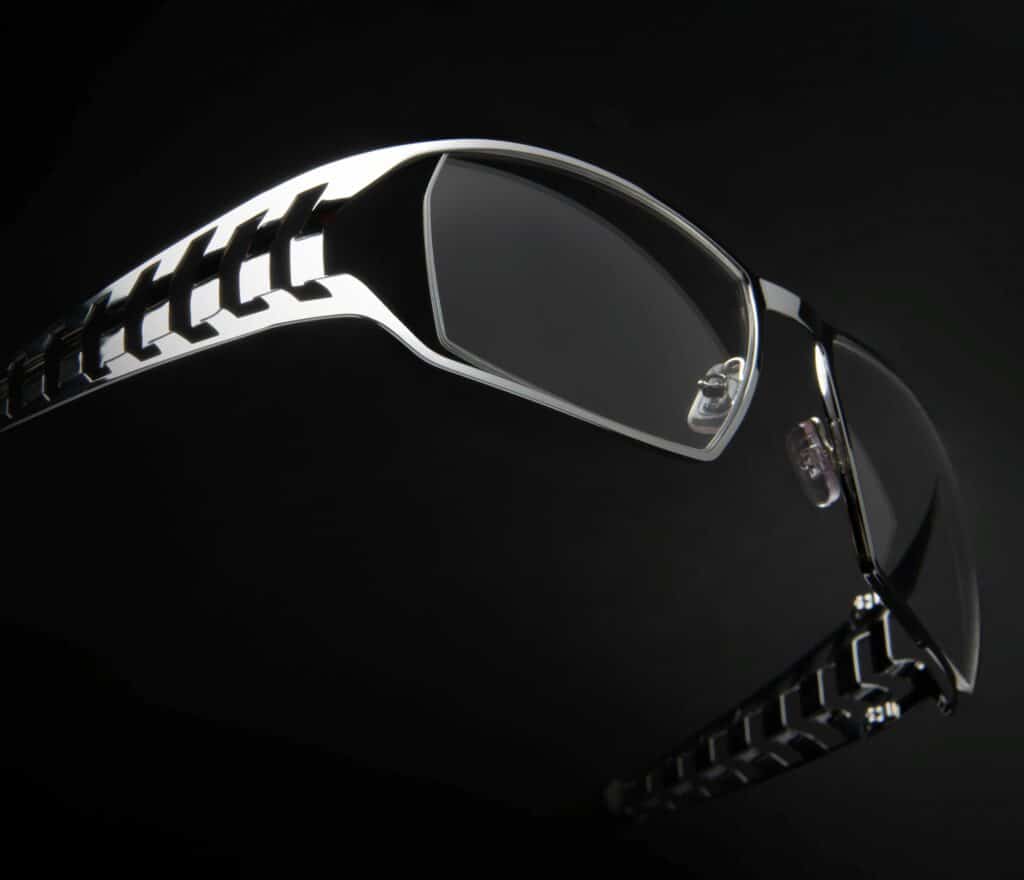
JOS Titan Bold is a men’s frame crafted from pure titanium, featuring bevelled edges, masculine matte tones, and beta-titanium temples for durability, flexibility, and refined fit.
In today’s workplace, stress isn’t just common, it’s constant. Shifting expectations, increased workloads, ever-changing schedules, difficult colleagues, and the pressure to “perform with a smile” can stretch even the highest-achieving professionals thin.
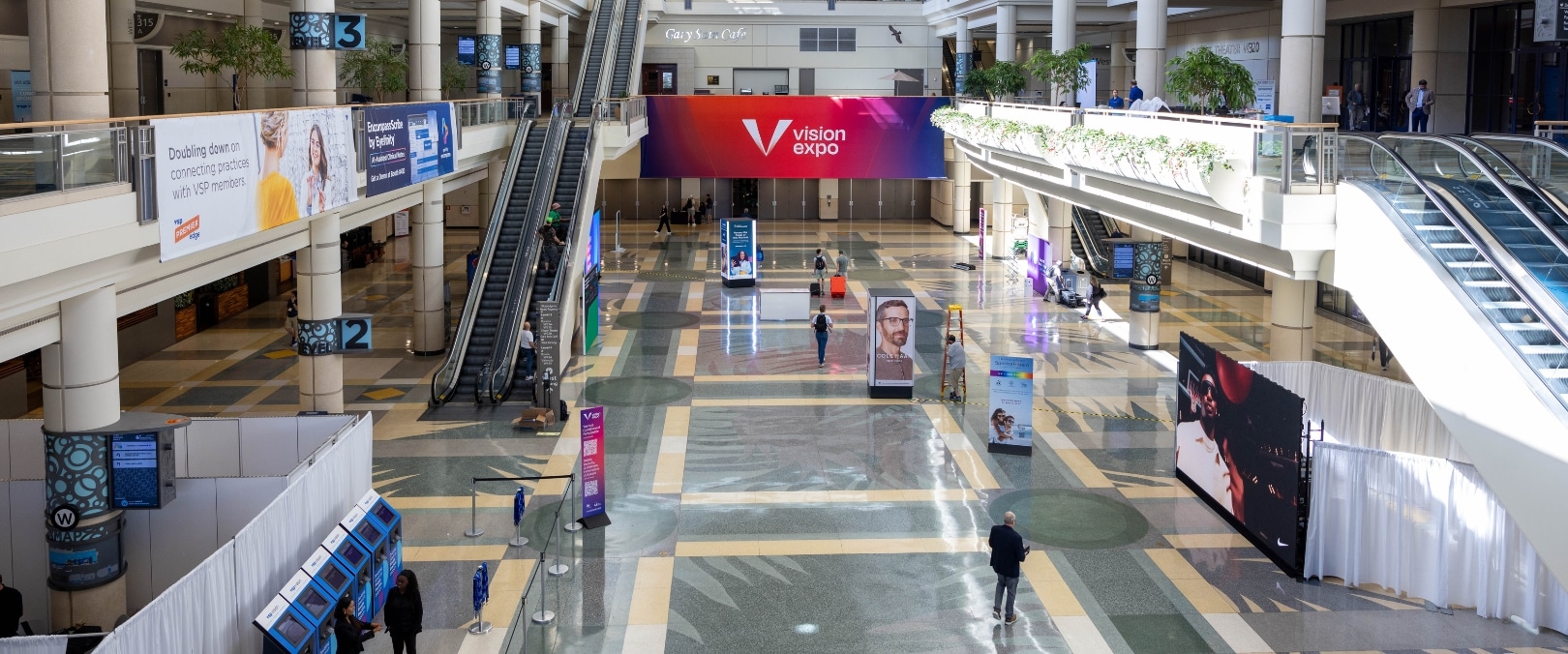
Vision Expo returns to Orlando in March 2026 as a unified annual event, featuring accredited education, new product launches and a 40th anniversary celebration.
FYidoctors expands access to dry eye care with a new national program featuring advanced diagnostics, tailored treatment plans and IPL therapy in select clinics.
JOS Titan Bold is a men’s frame crafted from pure titanium, featuring bevelled edges, masculine matte tones, and beta-titanium temples for durability, flexibility, and refined fit.
In today’s workplace, stress isn’t just common, it’s constant. Shifting expectations, increased workloads, ever-changing schedules, difficult colleagues, and the pressure to “perform with a smile” can stretch even the highest-achieving professionals thin.
Vision Expo returns to Orlando in March 2026 as a unified annual event, featuring accredited education, new product launches and a 40th anniversary celebration.
FYidoctors expands access to dry eye care with a new national program featuring advanced diagnostics, tailored treatment plans and IPL therapy in select clinics.
JOS Titan Bold is a men’s frame crafted from pure titanium, featuring bevelled edges, masculine matte tones, and beta-titanium temples for durability, flexibility, and refined fit.
In today’s workplace, stress isn’t just common, it’s constant. Shifting expectations, increased workloads, ever-changing schedules, difficult colleagues, and the pressure to “perform with a smile” can stretch even the highest-achieving professionals thin.
Vision Expo returns to Orlando in March 2026 as a unified annual event, featuring accredited education, new product launches and a 40th anniversary celebration.
FYidoctors expands access to dry eye care with a new national program featuring advanced diagnostics, tailored treatment plans and IPL therapy in select clinics.
JOS Titan Bold is a men’s frame crafted from pure titanium, featuring bevelled edges, masculine matte tones, and beta-titanium temples for durability, flexibility, and refined fit.
In today’s workplace, stress isn’t just common, it’s constant. Shifting expectations, increased workloads, ever-changing schedules, difficult colleagues, and the pressure to “perform with a smile” can stretch even the highest-achieving professionals thin.
Vision Expo returns to Orlando in March 2026 as a unified annual event, featuring accredited education, new product launches and a 40th anniversary celebration.