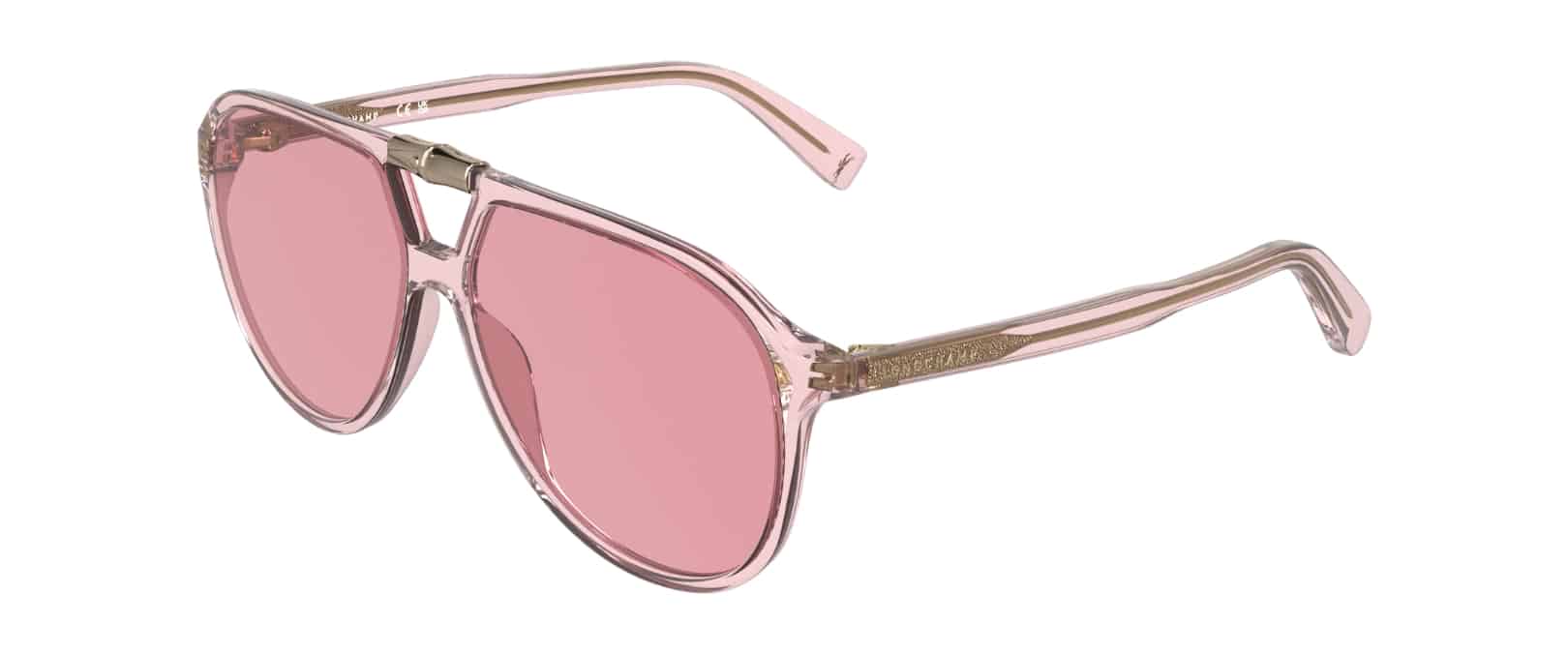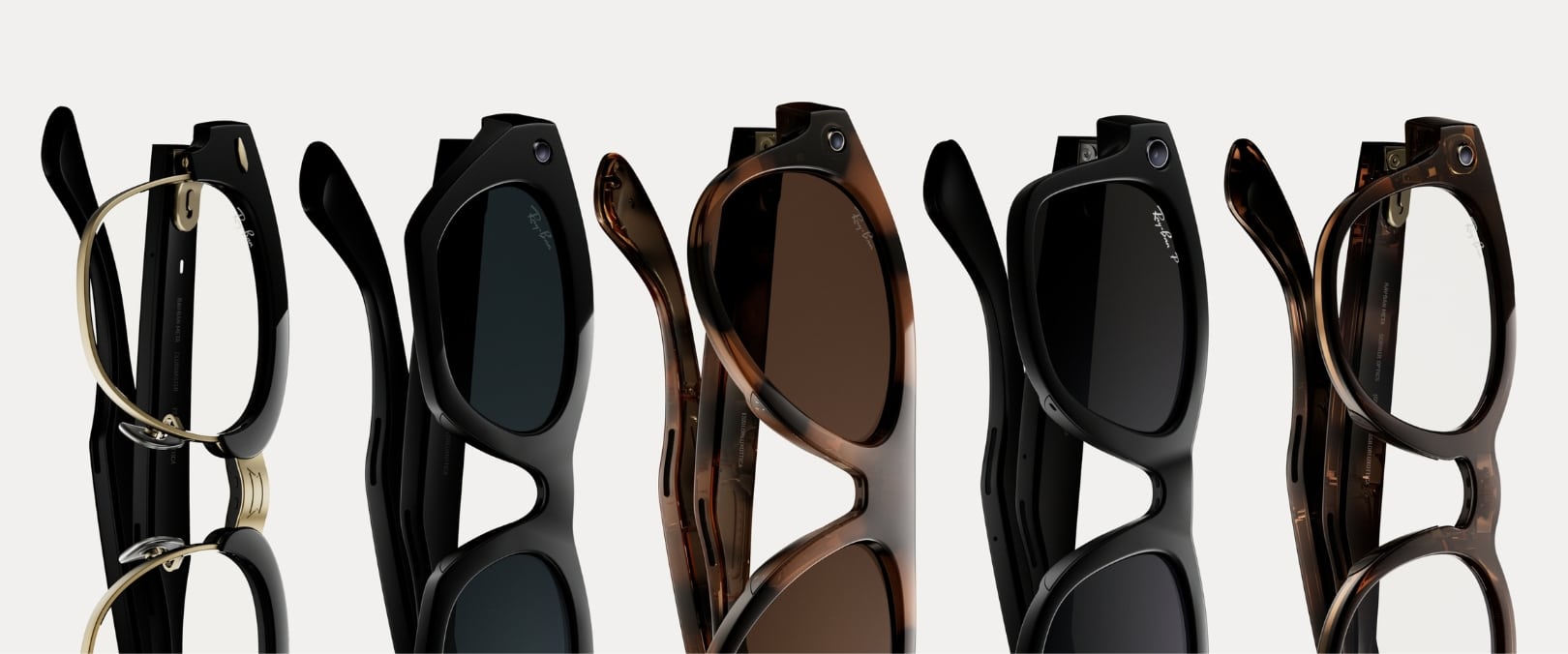

The Optical Design Contest is intended to be a stepping stone for the next generation, and an opportunity for them to stimulate their creativity through a responsible design approach.
Launched two years ago, the Optical Design Contest is preparing a new opus with the same objective: to be a stepping stone for the next generation and to stimulate creative innovation in eyewear through the eyes of students from design schools around the world. Based on the highest standards, this second edition takes on an essential theme: the evolving role of accessory eyewear.
The contest is open to all students enrolled in a design course at a level equivalent to or higher than the third year post-baccalaureate and presents a detailed set of specifications designed to provide a comprehensive framework for the projects and a clear commitment to design. Lenses, frames, connected products, low vision or equipment for opticians and manufacturers, these designers of tomorrow will be able to create their concept by drawing inspiration from the vast world of optics and eyewear.
Chaired byOlivier JAULT and made up of optics and design professionals, the jury will meet to assess the projects received from the various design schools and select the most relevant.
And the winner is…
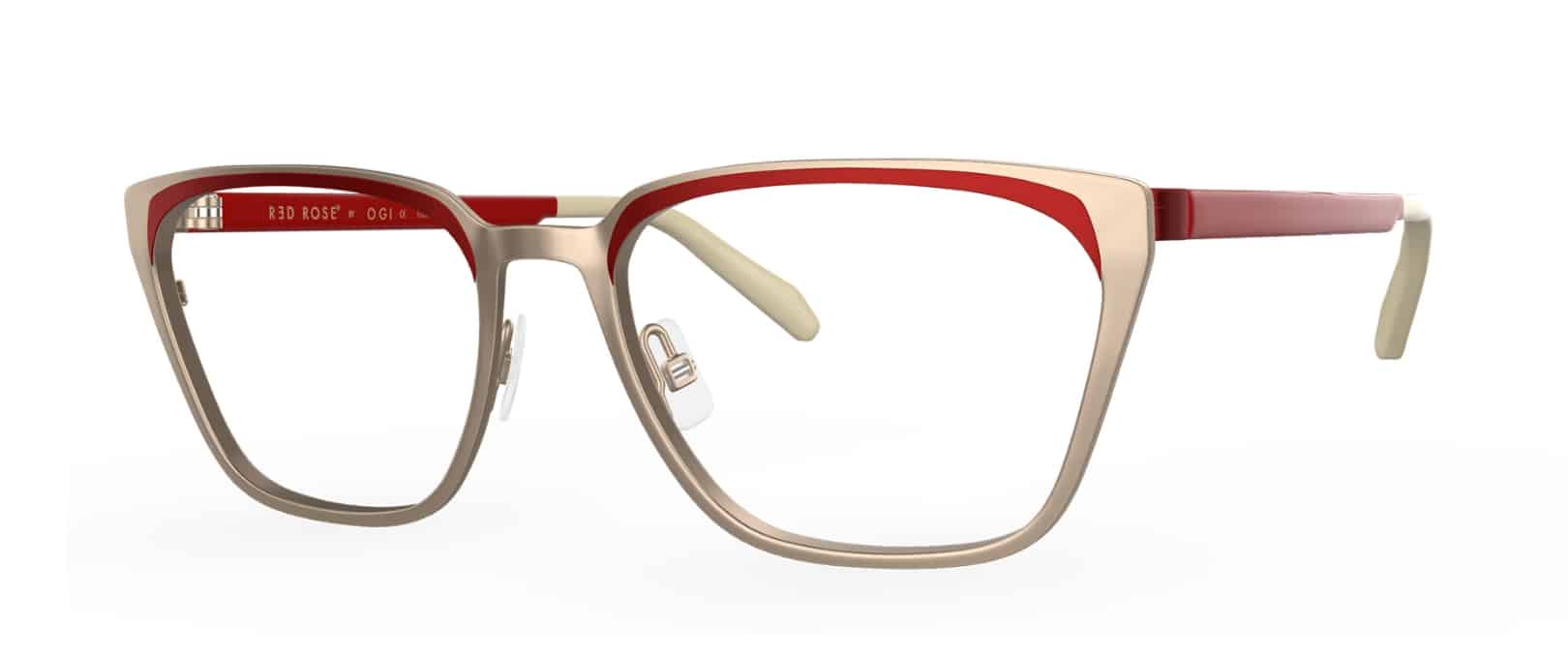
DISTROALby Thomas DENEUFBOURG & Adrien GALLOIS – École de Design Nantes Atlantique Glasses as support accessories for users that have specific needs, including people affected by disorders on the autism spectrum and anxiety disorders. Distroal means “calming’ in the Breton language.
EssilorLuxottica announced the signing of a long-term pre- letting agreement for its new global headquarters in Paris, expected to open late 2027. Located at Place Valhubert, in the heart of the lively Austerlitz district -Paris 13e-, boasting a tech startup and global digital company scene, the new headquarters will bring together in a single building up to more than 2,000 people, regrouping teams from the Group functions currently spread across different locations in the Grand Paris area.
The new over 20,000 square meters state-of-the-art facility overlooking the Seine will blend the elegance of Haussmannian style with contemporary design and architecture. The building will be a forward-looking window to Paris and the future of a constantly evolving Company, a space for creativity and the exchange of new ideas embracing the new trends of agile work, the digital economy, and a tangible representation of EssilorLuxottica’s trailblazing role in reshaping the industry.
Bringing all the Company’s organizations under the same roof – from design to digital, business development and corporate functions, the new headquarters will be uniquely designed to foster the Company’s culture of innovation and strengthen its long-standing commitment to employee well-being. It will also feature training areas, an auditorium and a showroom dedicated to the Group’s iconic brands, innovative solutions and technologies.
“We have always said that our success is deeply rooted in our people and this new space meets their engagement: it’s a beautiful space that combines functionality with aesthetics, well-being and attention to the environment. Here our employees will feel inspired, they will be immersed in our fully integrated culture and values, and they will be surrounded by the very innovation that is fueling our industry. Connected to the city and open to stakeholders from our industry and beyond, this beaming place is an invitation to discover the new and evolving EssilorLuxottica”.
Francesco Milleri, Chairman and CEO and Paul du Saillant, Deputy CEO, EssilorLuxottica
The new facility will complement the existing and recently expanded corporate locations in Milan, Italy, reaffirming the Group’s European roots and its global strategy. In line with EssilorLuxottica’s Eyes on the Planet program, the new facility will meet the highest environmental sustainability and well-being standards, with the ambition of achieving HQE, BREEAM, BBCA, and BBC certifications among others.
The nominating period for the second annual Contact Lens Institute™ (CLI) Culture Awards ends October 1. The program honors eye care professionals who foster a positive contact lens culture, exemplifying behaviors and actions that elevate patient experiences and business success.
Individuals within the U.S. and Canadian eye care community who prescribe or support soft contact lenses are eligible for consideration. Self-nominations are allowed and encouraged. Complete nomination information is available at contactlensinstitute.org/awards.
Nominators simply need to provide a concise response (750 words or less in total) that addresses at least two of the following questions:
How has the nominee enhanced patient outcomes using soft contact lenses?
What initiatives, processes, or projects has the nominee put into place in their practice that enhances a positive culture for recommending soft contact lenses and patient wear?
How does the nominee engage practice staff to take an active advocacy role for healthy, happy soft contact lens wear?
Can you describe a particular nominee-patient interaction that exemplifies how soft contact lenses have changed or improved a patient’s life, and which may inspire colleagues?
To improve the chances of being recognized, nominators may reference positive contact lens behaviors identified in recent See Tomorrow reports, which are available for on-screen reading and/or download from https://www.contactlensinstitute.org/resources/see-tomorrow/.
Nominations must include the name/location/practice name/contact information of the candidate(s), as well as the name/affiliation/contact information for the nominator. Groups are eligible as long as all individuals are named, with a clearly designated leader. Entries must be emailed no later than October 1, 2024, at 11:59 pm ET to cli@contactlensinstitute.org. The submission can be written within the body of the email or attached as a Word or PDF document. Questions may be sent to the same address.
Selection will be at the sole discretion of the CLI Board of Directors. Honorees will be announced by the Contact Lens Institute in November 2024, with ongoing recognition into the following year.
CooperVision’s leadership and commitment to transforming the trajectory of myopia in children will be prominently showcased this week at the prestigious 60th International Myopia Conference (IMC) events in Changsha and Sanya, China. Research findings span the company’s comprehensive range of optical interventions, including MiSight® 1 day soft contact lenses and orthokeratology contact lenses.
“Our dedication to advancing the science and practice of myopia management is on full display at IMC, as teams from CooperVision and our research partners around the globe debut significant new studies.”
Elizabeth Lumb, BSc (Hons) MCOptom, FIACLE, FBCLA, Director of Global Professional Affairs, Myopia Management, CooperVision
In addition, the company is showcasing multiple category experts through its digital platforms throughout the week, including LinkedIn. Researchers and program team members who have been instrumental in developing, sharing, and promoting invaluable myopia control and management science—work that is changing the lives of children worldwide—reflect on their work and its impact. Learn more at https://www.linkedin.com/company/coopervision.
More than a dozen CooperVision authored and supported papers and posters were accepted to this year’s conference. Highlights include:
Myopia Control with MiSight® 1 day Dual Focus Lenses in Chinese Children (Arumugam B, et al).Interim results from an ongoing, double-masked, multi-center randomized clinical trial in China showed considerable efficacy of MiSight® 1 day in slowing myopia progression. Absolute treatment effects for both axial length and cycloplegic refractive error in children enrolled at ages 7 to 11 were even greater than those observed previously in a majority non-Asian cohort (Chamberlain, et al 2019).[1]
Efficacy of OrthoK in Axial Inhibition: A Comprehensive Retrospective Review of Real-World Patient Population from UC Berkeley Myopia Control Clinic (Jung L, et al).The multi-year retrospective review analyzed records of 424 children fit with Paragon CRT® 100 and CRT Dual Axis® between 2008 to 2023, determining that overnight ortho-k effectively slowed myopia progression as measured by axial elongation. The findings add weight to the clinical usefulness of ortho-k treatments and further confirm that younger children have faster axial growth rates than older children. No cases of microbial keratitis were reported, supporting the efficacy and safety of ortho-k in real-word clinical settings.
Assessment of Performance and Satisfaction with Orthokeratology Lens Among Chinese Wearers and their Parents: A Multicenter Study (Zheng Y, et al). Aier Eye Hospital investigators in 10 cities across China enrolled 588 myopic children ages 8-16 who had worn DreamLite® ortho-k contact lensese bilaterally for at least one year, gaining their subjective feedback and those from their parents. Overall, 98% of wearers and 95% of parents expressed outstanding satisfaction, with excellent comfort and sustained ideal levels of unaided vision throughout the day.
Myopic Defocus Introduced by Dual Focus Myopia Control and Orthokeratology Contact Lenses (Walther G, et al). Indiana University and University of California Berkeley researchers sought to characterize the proportions of myopically defocused light delivered to the retina by MiSight® 1 day contact lenses and Paragon CRT Dual Axis® ortho-k lenses (post-treatment) and their effects on image quality. In ten myopic participants ages 22-30, both treatments—despite different optical designs—introduced approximately 50% myopically defocused light and similar image quality to their foveas.
Additional CooperVision-supported papers and posters include an analysis of myopia control prescribing patterns in the U.S., Australia, and New Zealand, extended efficacy data for SightGlass Vision spectacle lenses with Diffusion Optics Technology™*, and research regarding the potential irradiance hazards of red-light therapy.
The company is once again sponsoring the Chew Sek-Jin Memorial Award Lecture on September 26, which will be delivered this year by myopia researcher, author, and tech entrepreneur Professor Ian Flitcroft, DPhil, FRCOphth.
Multiple studies presented this week at the 2024 International Myopia Conference (IMC) in China significantly reinforce the performance of SightGlass Vision’s Diffusion Optics Technology™ (DOT 0.2) spectacle lenses in slowing myopia progression in children1. The studies affirm positive performance in clinical and real-world settings, demonstrating excellent safety and efficacy, and the lack of a rebound effect.
“The range and depth of evidence being shared at IMC—nine works on contrast theory and DOT lenses as well as an invited guest lecture on contrast theory—should further expand confidence in DOT spectacle lenses, our innovative approach to myopia control,”1,2 said Andrew Sedgwick, CEO of SightGlass Vision.
CHINA and U.S. BASED Clinical Trials
With IMC taking place in Hainan, of particular interest is the six-month data reporting from the CATHAY trial—a two-year, randomized, controlled study across five hospitals in China. Control of Myopia Using Diffusion Optics Technology (DOT) Spectacle Lenses in a Chinese Population: 6-Month Results (Chen Z, et al.) evaluates 186 participants after six months of wear, demonstrating that DOT lenses substantially slows myopia progression as evidenced by minimal change in axial length (AL) and cycloplegic refractive error compared to control group.1
A related analysis—Initial Axial Length Response to Diffusion Optics Technology (DOT) Spectacle Lens Wear (Laughton D, et al.)—shows that AL elongation is halted in almost half of the DOT lens group after six months of wear.3
Following completion of the four-year CYPRESS clinical study in the United States, 54 children were enrolled to assess if the treatment benefit was retained after discontinuing DOT lens wear. Myopia Progression After Cessation of Diffusion Optics Technology (DOT) Spectacle Lenses (Hill J, et al.) presents six-month interim results from the study, suggesting that neither refractive error nor AL increases are faster after DOT lens discontinuation compared to the control2.
“Patterns of Ocular Growth in Young Children Wearing Diffusion Optics Technology (DOT) Spectacle Lenses: A 3-Year Longitudinal Study” shares the particularly positive outcomes for six- and seven-year-old patients in the CYPRESS clinical trial4.
Real World Efficacy in China and Canada CLINICAL SETTINGS
During IMC, SightGlass is making public two real world studies that further validate clinical trial results, using data from patients in China and Canada.
Real-World Effectiveness of Diffusion Optics Technology (DOT) Spectacle Lenses for Myopia Control in Chinese Children (Wang L, McParland M) reviews clinical records from 147 DOT lens patient records. Results show that changes in both refractive error and axial length at six and 12 months from baseline are not significant.5
One-Year Myopia Control Performance of Contrast Modulation Spectacle Lenses Compared to Defocus-Based Spectacle Lenses in a Canadian Practice (Ho K, et al.) analyzes the efficacy of DOT spectacle lenses and peripheral defocus spectacle lenses in 80 Asian-Canadian children ages six to eight at treatment initiation. The study indicates that DOT lenses are more effective in slowing myopia progression (45% better as measured by mSER) compared to the other myopia control lens.6
FOUNDATIONAL RESEARCH
SightGlass Vision’s commitment to building scientific understanding surrounding myopia control will also be evident at the IMC, including posters on Subfoveal Choroidal Thickness Changes After 1-Week of Myopia Control Spectacle Lens Wear (Desiato A, et al.), Contrast Sensitivity Function Differentiates Between Myopia Control Spectacle Lens Designs with Glare and Luminance Manipulations (Wolffsohn J, et al.) and Why Does Near Work Cause Myopia and How Might We Intervene Optically? (Langan R).
Myopia innovator, researcher, and University of Washington Professor Jay Neitz, PhD, has been invited to present on Contrast Theory and its Implications for Novel Myopia Interventions.
SightGlass Vision’s patent-protected technology has made its commercial debut in several markets, including China, the Netherlands, and Israel, as well as through preliminary market trials in other countries. The company operates as a joint venture of CooperCompanies and EssilorLuxottica. For more information, visit SightGlassVision.com.
References:
Chen et al. Control of Myopia using Diffusion Optics Technology (DOT) spectacle lenses in a Chinese population: 6-month results. To be presented at International Myopia Conference 2024.
Hill et al. Myopia progression after cessation of Diffusion Optics Technology (DOT) spectacle lenses. To be presented at International Myopia Conference 2024.
Laughton et al. Initial axial length reduction in response to Diffusion Optics Technology (DOT) spectacle lens wear. To be presented at International Myopia Conference 2024.
Sheppard et al. Patterns of ocular growth in young children wearing Diffusion Optics Technology (DOT) spectacle lenses: a 3-year longitudinal study. To be presented at International Myopia Conference 2024.
Wang et al. Real-World Effectiveness of Diffusion Optics Technology (DOT) Spectacle Lenses for Myopia Control in Chinese Children. To be presented at International Myopia Conference 2024.
Ho et al. One-Year Myopia Control Performance of Contrast Modulation Spectacle Lenses Compared to Defocus-Based Spectacle Lenses in a Canadian Practice. To be presented at International Myopia Conference 2024.
HOYA Vision Care introduces LensPreview, a new virtual try-on tool for photochromic, polarized, and mirror lenses, now available in the U.S. and Canada.