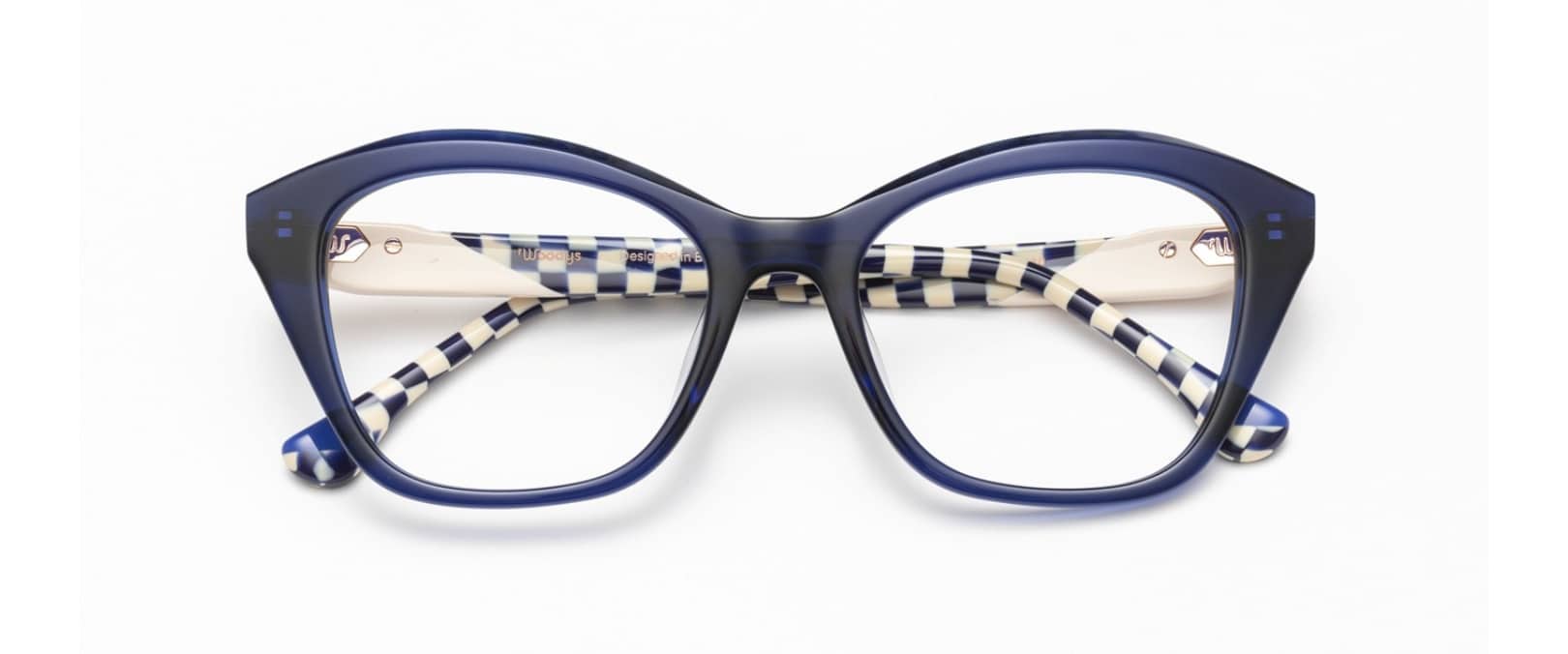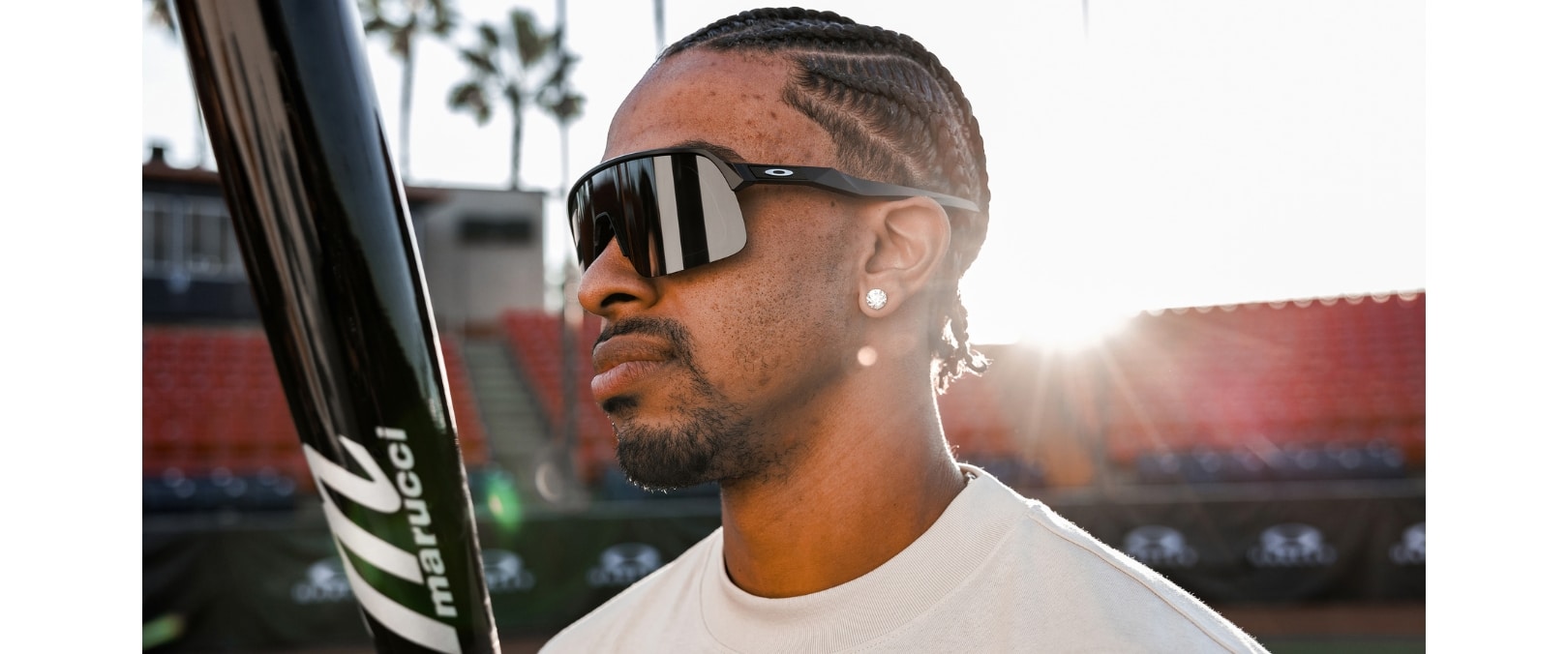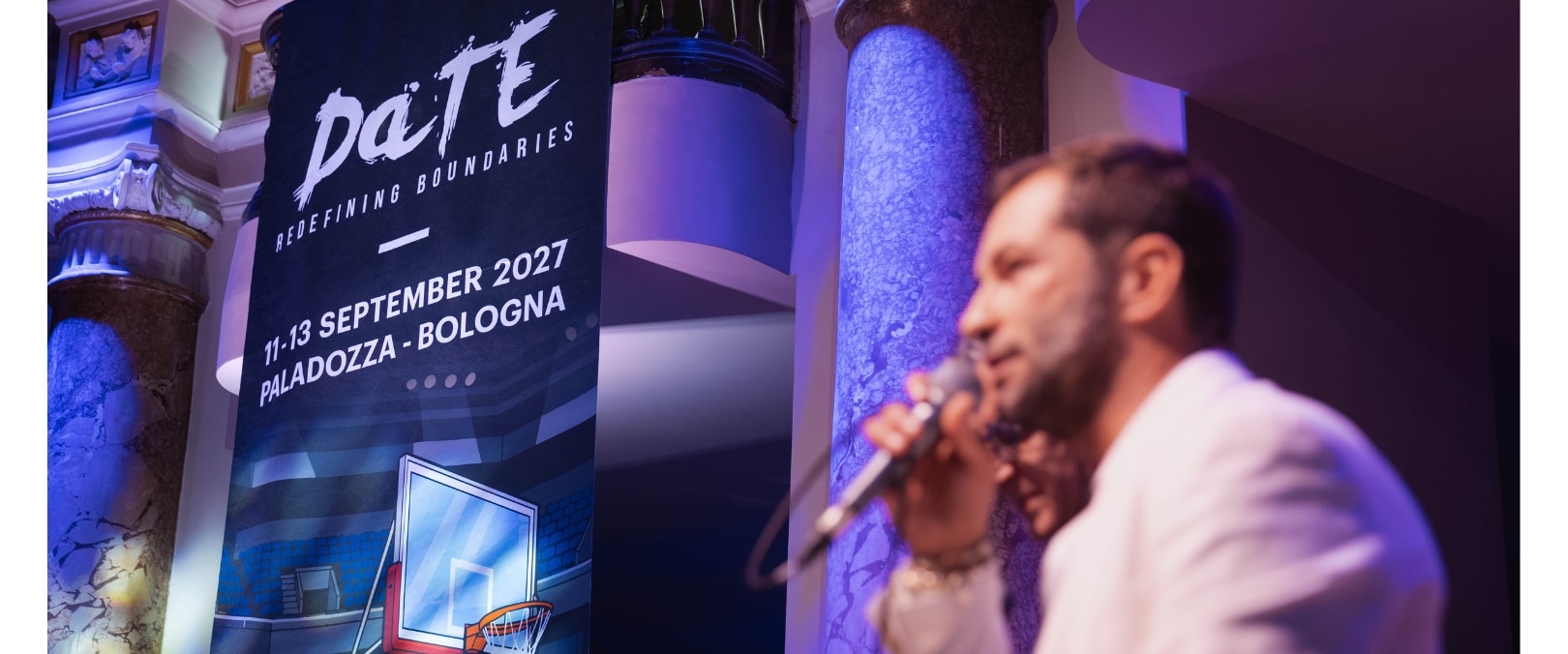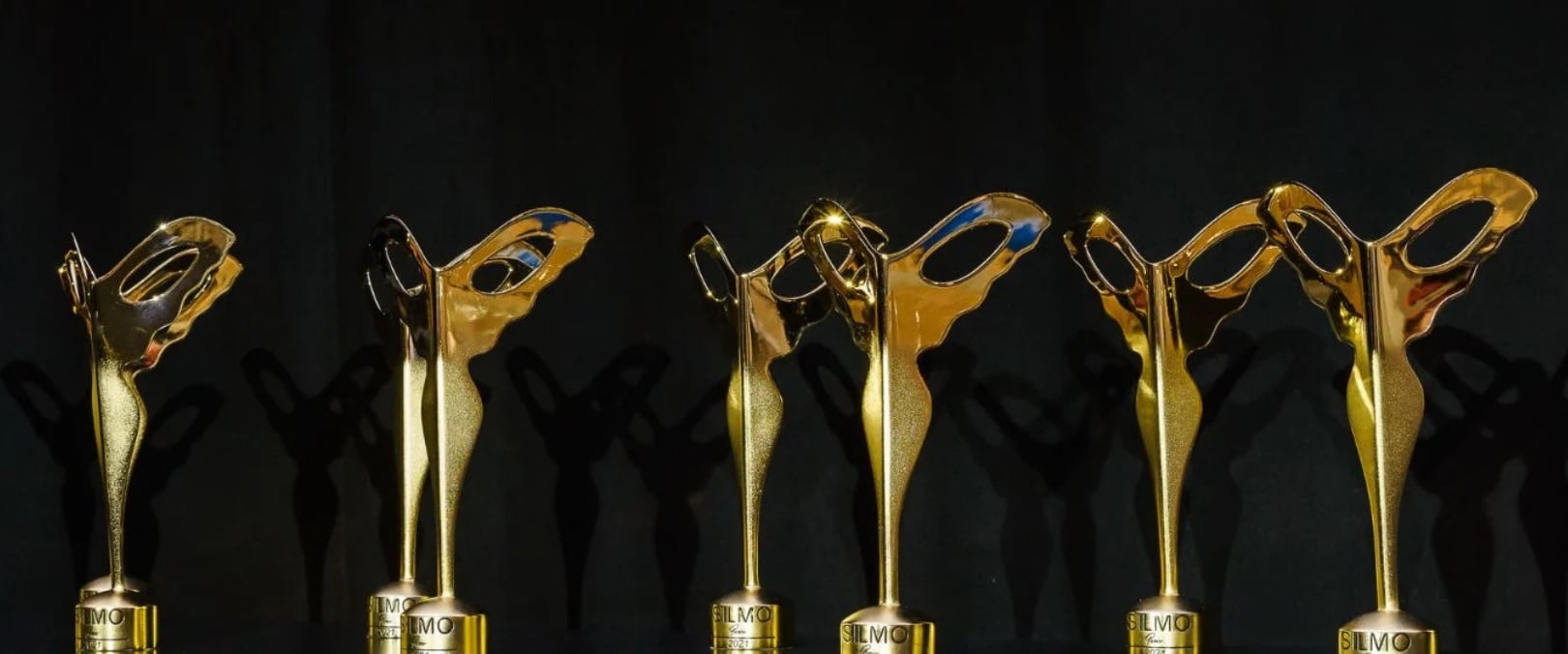

As the “Earth Month” comes to a close, the Centre for Ocular Research & Education (CORE) has published a new guide to help practice staff and manufacturers minimize environmental impact year-round. Issue 83 of Contact Lens Update focuses on contact lens-related sustainability initiatives, wearer attitudes, and practical patient education. The bi-monthly publication is available at no charge by visiting ContactLensUpdate.com.
“There is growing attention to sustainable practices in eye care, driven by patient demand, practitioner awareness, manufacturer innovation, and evolving retail standards. The latest issue of Contact Lens Update highlights several of the most important opportunities for practices to engage with contact lens patients about environmental effects, proper disposal and recycling, and available programs to minimize impact of wear,” said Lyndon Jones, director of CORE.
CORE – Contact Lens Update Issue 83 Contributors (L to R): Sarah Smith, Alison Ng, Sarah Mastrorocco.
Sarah Smith’sopening editorial provides evidence- based research to help guide patient conversations regarding the amount of waste generated by different lens replacement modalities. A research optometrist with Eurolens Research at The University of Manchester (Manchester, England), she also explores contact lens recycling programs and describes how the recycled plastic is given a new lease on life. In addition, Smith shares straightforward advice on ways to make practices more sustainable.
The feature article is written by Alison Ng, a lecturer at the School of Optometry & Vision Sciences at Cardiff University (Cardiff, Wales) and adjunct associate professor at the School of Optometry & Vision Science at the University of Waterloo. She summarizes a review surrounding the environmental effects of contact lenses, the vital role that practitioners serve in educating patients about sustainability, and the future of environmentally-friendly contact lenses.
The conference highlight comes from Sarah Mastrorocco, an optometrist at Walterboro Eyecare Center (Walterboro, South Carolina). She conducted an online survey at the Southern College of Optometry in Memphis, Tennessee, investigating how concerned soft contact lens wearers were about the environmental impact of lenses, whether they were aware of the university’s contact lens recycling program, their willingness to recycle their lenses at the school, and whether a company’s or practice’s commitment to recycling influenced their choice of product or eye care practitioner.
To help increase patient awareness of sustainable contact lens practice, CORE has created downloadable handouts for practitioners to use in this issue’s clinical insight column. These are ideal for in-office digital or hard copy display, staff training, and inclusion in take-home materials for new and existing contact lens patients.
Contact Lens Update Issue 83 follows CORE’s recent introduction of a first-of-its-kind eye care sustainability website: SustainableEyecare.com. A wealth of resources is available at no cost on the site to eye care practitioners, educators, manufacturers, students, and consumers.
Silhouette unveils the first-ever eyewear made from a new bio-circular material, sourced from organic waste in agriculture, forestry, and aquaculture. The result? An elegant, high-performance frame with exceptional comfort and durability. The Clear Sky collection redefines high-tech sustainability with premium style.
For over 70 years, COS has prided itself on its commitment to providing customers with unparalleled service and superior products. Founded in 1951 by Fred and Judith Hochstadter, with the specific goal of offering something truly innovative to independent eye care professionals in Canada, and based in Montreal, COS is a family-run business that represents a wide variety of high-quality frames. They are also Silhouette’s exclusive Canadian distributor since the brand was established in 1964.
The heart of COS business lies in the relationship with each client. The goal of the sales representatives and customer service team is to develop long-term, in-depth ties based upon customer-satisfaction and respect. With every interaction, COS dedicates itself to delivering the exact results that customers desire and their needs require. When it comes to offering truly top of the line service, COS is nothing short of groundbreaking.
Want to see more like this article? Click here to subscribe to our FREE print magazines and e- newsletters!
Optometry Giving Sight (OGS) announces that Dr. Susan Cooper has been named the recipient of the World Optometry Council’s (WCO) 2025 Distinguished Service Award in Memory of Dr. Uduak Udom. Dr. Cooper has served as the OGS Canada Board Chair since 2019 and is also a member of the OGS U.S. Board of Directors.
Susan Cooper, OD, FAAO, Abraham Bromberg, OD, Sandra E. Wang-Harris, OD, MPH, FAAO
“Susan deserves this award,” says OGS U.S. Board Chair Dr. Juan Carlos Aragón, “not only for her numerous contributions while at WCO to the international expansion of optometry but also for her tireless commitment as a Board member of OGS. On behalf of the staff and my fellow OGS Board members, I’d like to congratulate her and thank her for her years of service to our organization.”
The Distinguished Service Award is the highest bestowed by WCO. It recognizes individuals who have contributed most significantly to the mission and vision of the Council. Dr. Cooper has been involved in the Council since 2006.
She is honored to have been named this year’s winner. “I feel incredibly privileged to be honored with this award,” she says. “I am constantly reminded of the hard work and dedication the staff and volunteers of WCO give to further the organization’s mission, and I am grateful to be a part of such an inspiring team. This award is not just me, but a celebration of our collective commitment to making a meaningful impact for global optometry.”
New Research Highlights Practical Strategies to Improve Patient Retention and Satisfaction
By Mark Matthews
Contact lens dropout remains a pressing challenge in eye care. Despite technological advancements, up to one in four new wearers abandon lenses within the first year.
The latest research from the Contact Lens Institute (CLI) sheds light on key factors influencing patient retention and provides actionable insights to improve satisfaction.
By addressing comfort, cost, handling, and communication gaps, eye care professionals can turn first-time wearers into lifelong contact lens users.
Understanding the Dropout Dilemma
The CLI study surveyed 401 U.S. adults who wear soft contact lenses at least once a week, categorizing them into new wearers (less than two years) and long-term wearers (two or more years).
Findings revealed a notable satisfaction gap: 67% of new wearers reported high satisfaction compared to 86% of long-term wearers.
This disparity highlights an opportunity to enhance early experiences for new users. Comfort emerged as a dominant factor in satisfaction, with 69% of long-term wearers citing it as a key reason for continued use, compared to 61% of new wearers.
Vision quality also played a significant role, as 67% of long-term wearers were highly satisfied with their vision, compared to 51% of new wearers.
Convenience followed closely, with 51% of long-term wearers appreciating the ease of contact lenses, while only 46% of new wearers felt the same. On the other hand, dissatisfaction largely stemmed from cost, handling difficulties, and vision-related concerns, with new wearers particularly vulnerable to these frustrations.
The Role of the Entire Practice Team
A crucial finding of the study was the significant influence of the entire eye care team on patient retention. While optometrists play a leading role, new wearers are especially influenced by their interactions with opticians, technicians, and administrative staff. T
he study found that 74% of new wearers said their eye doctor had a substantial impact on their decision to continue wearing contact lenses, compared to 59% of long-term wearers. Opticians, technicians, and front-office staff also played an outsized role for new wearers, reinforcing the necessity of a comprehensive, practice-wide approach to patient engagement and support.
The top three influences for new wearers were their eye doctor, followed by interactions with opticians and technicians, and the overall practice experience, including front-office staff.
For long-term wearers, their continued confidence in their eye doctor remained a key influence, but the importance of previous positive experiences and the ability to manage costs more effectively also emerged as major factors.
Addressing Cost, Handling, and Comfort Challenges
Among new wearers, 49% identified cost as a primary concern, compared to 41% of long-term wearers. Handling difficulties, including insertion and removal, were another common issue, with 40% of new wearers struggling, compared to 32% of long-term wearers.
To mitigate these challenges, practices can adopt proactive strategies that directly address patient concerns.
Providing alternative price-performance options and clearly outlining total costs, including rebates, can help alleviate financial concerns.
Thorough training and follow-up support for insertion and removal techniques can build confidence in new wearers, reducing frustration and potential dropout. Similarly, proactive outreach to check in on comfort and vision, and tailoring lens recommendations based on individual needs, can enhance patient satisfaction and long-term retention.
The Power of Proactive Communication
Ongoing communication and patient education play a pivotal role in contact lens retention.
New wearers in particular expressed a strong preference for personalized follow-ups, with 77% stating that they would appreciate a post-exam check-in to assess their vision and comfort. Furthermore, 80% of patients identified “fully listening to my concerns” as the most important factor in resolving contact lens-related issues.
Implementing regular follow-ups through text messages, emails, or video consultations can reinforce confidence and strengthen the doctor-patient relationship.
Lifestyle-Centered Prescribing
Beyond clinical factors, lifestyle considerations significantly influence patient satisfaction and retention. Contact lenses offer advantages such as greater freedom in sports, enhanced aesthetics, and improved daily convenience.
However, many new wearers fail to recognize these benefits without proper guidance from their eye care provider.
The study revealed that 48% of new wearers continued lens use due to the freedom from glasses, while 39% cited the confidence of having the best possible vision.
Long-term wearers were more likely to appreciate the superior comfort of contact lenses over glasses (46%), indicating that reinforcing these benefits early in the patient journey can improve retention rates.
Eye care professionals should actively communicate these lifestyle benefits, ensuring that patients see the long-term value of their contact lenses beyond immediate vision correction.
A Coordinated Approach to Success
Contact lens dropout has long been accepted as an inevitable challenge, but the latest research from CLI provides a roadmap for meaningful change.
A team-based approach, proactive patient communication, and targeted strategies to address cost, handling, and comfort issues can significantly improve retention rates.
By fostering engagement at every stage of the patient journey, reinforcing the benefits of contact lenses, and providing tailored support, eye care professionals can ensure both clinical success and business growth.
The key lies in seeing every new wearer as a long-term patient in the making—one who, with the right guidance and care, can become a lifelong contact lens advocate.
References:
1 Sulley, A., Young, G., & Hunt, C. (2017). Factors in the success of new contact lens wearers. Contact Lens and Anterior Eye, 40(1), 15-24. https://doi.org/10.1016/j.clae.2016.09.005
Disrupting the Dropout Dilemma: Practical Steps to Keep Patients in Contact Lenses -Fall 2024www.optiknow.ca/CLdropouts
Want to see more like this article? Click here to subscribe to our FREE print magazines and e-newsletters!

Alternative Eyewear, in partnership with East Optical, unveil the IndiiPro package—pairing the new Indi kids’ children’s frame with East Optical’s clinically proven MyoPro® lenses. This all‑in‑one solution combines cutting‑edge frame engineering, with patented myopia‑management technology to slow the progression of nearsightedness in kids while delivering everyday comfort and style.
Key Package Features:
Patented 360° Flexible Hinges & CanFlex® Construction for durability and safety
Adaptable Temple Tips and Integrated Silicone Nose-pads for a custom, secure fit
Full & Half Strap options to suit every lifestyle adventure
MyoPro® Lenses slow myopia progression by up to 67%, and up to 81.2% in 10–12‑year‑olds
98.7% of clinical‑trial participants rated wearability A+ / Excellent
Value‑Based Pricing making advanced myopia control accessible to families
“We’re thrilled to bring MyoPro’s groundbreaking myopia‑management technology to Canadian children,” said Isabelle Tremblay, Country Manager, Canada for East Optical. “Partnering with a reliable, high‑performance, independent frame company like Alternative Eyewear & Plan B ensures every child gets both the vision protection they need and the durability parents demand.”
“Our goal has always been to combine fun, functional eyewear with real‑world eye‑health benefits,” added Paul Storace, President of Alternative Eyewear & Plan B Eyewear Inc. “Teaming up with East Optical lets us deliver a package that demonstrated excellent wearability in clinical trials—so kids actually want to keep their lenses on all day.”
HOYA Vision Care introduces LensPreview, a new virtual try-on tool for photochromic, polarized, and mirror lenses, now available in the U.S. and Canada.