Marchon Eyewear announces the renewal of their global partnership with social fintech, Plastic Bank. The partnership began in 2022 with a focus on Marchon’s Dragon brand with a plastic offset program. In 2025, the partnership will focus on the same plastic offset program, but this time with the spotlight on Marchon’s Nautica and Columbia eyewear.
The partnership will help gather discarded plastic from the environment and improve the lives of collection community members in vulnerable coastal areas, particularly in Brazil. With this collaboration, the two companies are creating environmental, social, and economic impact. By choosing Nautica or Columbia eyewear, customers are contributing to Marchon’s annual commitment of stopping a minimum of 45,455 KGs of plastic from polluting the environment – that’s the equivalent of 2,272,750 PET plastic bottles of 500ml.
“We are very proud to renew our partnership with Plastic Bank, and these brands are certainly a natural fit,” said Gabriele Bonapersona, Chief Brand Officer, Marchon Eyewear, Inc. “By continuing our successful partnership and putting a focus on Nautica and Columbia eyewear, we are solidifying our commitment to social responsibility and advancing our EYES ON TOMORROW™ initiative – building a more sustainable future for our eyewear and our processes.”
“At Plastic Bank, we are enabling prosperity for communities and regeneration of the environment. Marchon’s partnership with Plastic Bank bears testament that businesses can prosper with the people and planet by prioritizing social and environmental impact. Together, we are empowering customers to create change each time they choose Nautica or Columbia.”
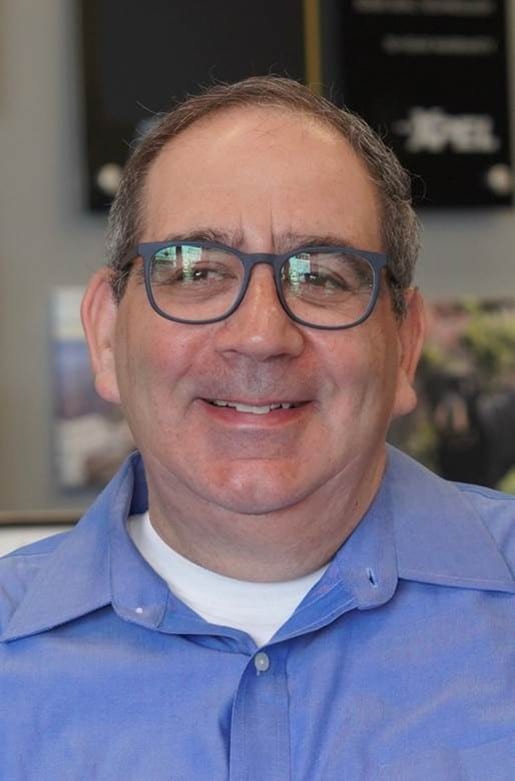
David Katz, Founder and CEO, Plastic Bank
Nautica eyewear features sun and optical styles within the Wavemaker collection designed with Eastman Tenite™ Renew, while the Columbia eyewear features frames within the collection crafted with plant-based resin. Both Nautica and Columbia offer classic, easy-to-wear eyewear designed for those who are fashion and environmentally conscious.
BostonSight® announced today it has elected Mr. Michael (Mike) Nash and Mr. Ramam Atmakuri to the BostonSight Board of Directors.
Mr. Nash, now a Customer Experience and Technology consultant and mentor, was most recently Senior Vice President and Chief Customer Experience Officer at HP Inc. where he led all aspects of Customer Experience Strategy, Measurement and Culture. Also at HP, Mr. Nash served as Global Head of Portfolio Strategy and Chief Technologist for Personal Systems. Prior to HP, he was a Vice President in the Kindle business at Amazon.com, and he spent almost 19 years at Microsoft most recently as Corporate Vice President for Windows Product Management.
He holds a bachelor’s degree in computer science with honors from the Cornell University College of Engineering and an MBA with distinction from the Wharton School of the University of Pennsylvania, where he was a Palmer Scholar. Mr. Nash brings a unique perspective to the board as a BostonSight PROSE® patient for nearly 23 years.
Mr. Atmakuri is currently the Executive Vice Chair Emeritus at LV Prasad Eye Institute in India and served earlier as Executive Vice Chair, managing non-clinical operations across their network. He has also served as Vice President and head of global delivery centers in India for multinationals, led multidisciplinary teams across continents, successfully managed mergers and acquisitions, and delivered several multi-million-dollar transformation programs that resulted in business growth.
Mr. Atmakuri’s passion for social impact brought him to LV Prasad Eye Institute and now to BostonSight’s Board. He holds a master’s degree in applied statistics, a diploma in operational research, is a Certified Quality Analyst, and PMP® certification holder, and has won several awards for project management excellence and global leadership.
“Mr. Atmakuri brings strategic leadership in establishing partnerships and a global vision for healthcare in emerging markets, while Mr. Nash is experienced in introducing revolutionary technology that helps to improve customers’ lives,” said Sara Yost, President and CEO of BostonSight. “Their expertise will be invaluable as BostonSight expands and integrates advanced technologies to fuel research, innovation, and industry collaborations that drive the adoption of specialty lenses in the U.S., and worldwide.”
With a long-standing, shared commitment to sustainability, the two organizations will team up to scale ocean conservation efforts above and below the surface.
Costa Sunglasses has always chased one mission: to make the best sunglasses while uniting the world in a shared responsibility to protect our blue planet. Today, Costa takes a powerful step forward on this journey, announcing a new partnership with the Professional Association of Diving Instructors, PADI®. Bound by a shared passion for exploration and ocean conservation, the partnership aims to unite their global communities—diving deeper into their shared commitment to safeguard the world’s waters, while inspiring more people to push past the shoreline and take real action.
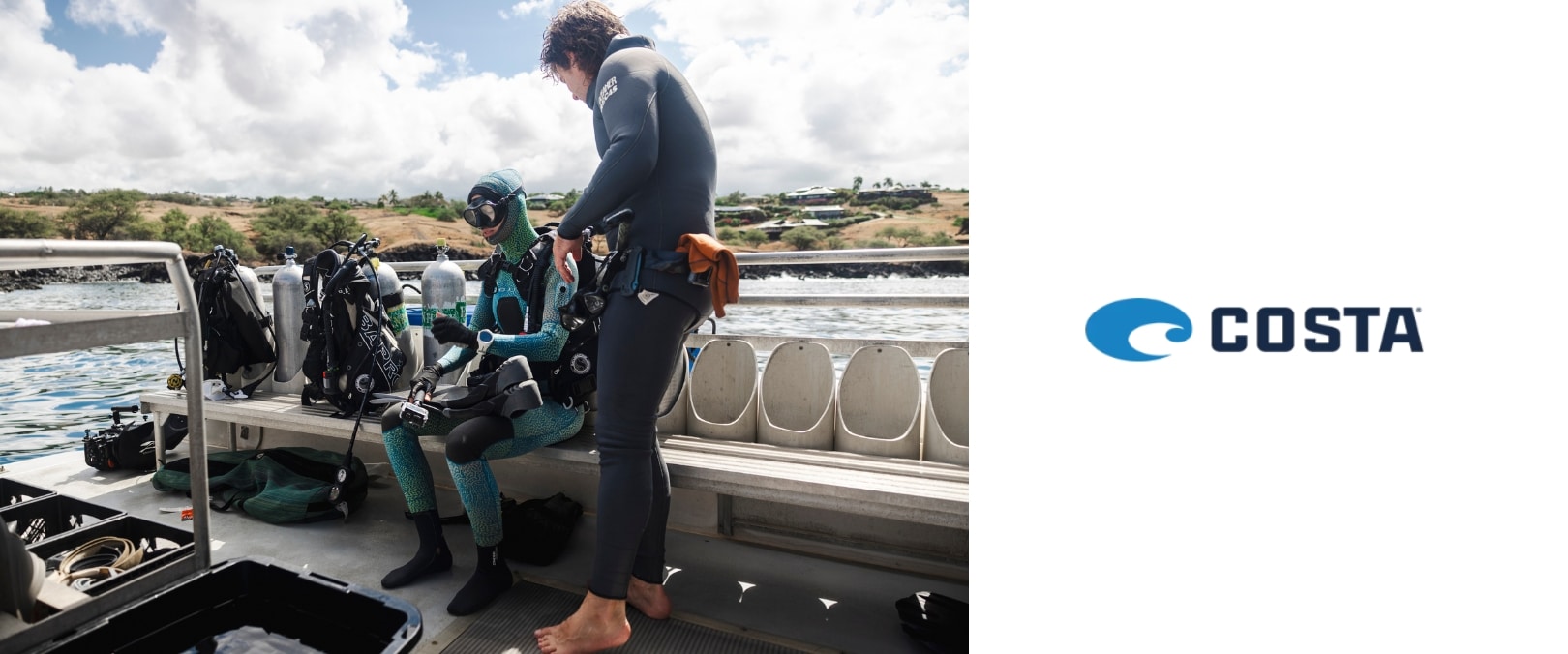
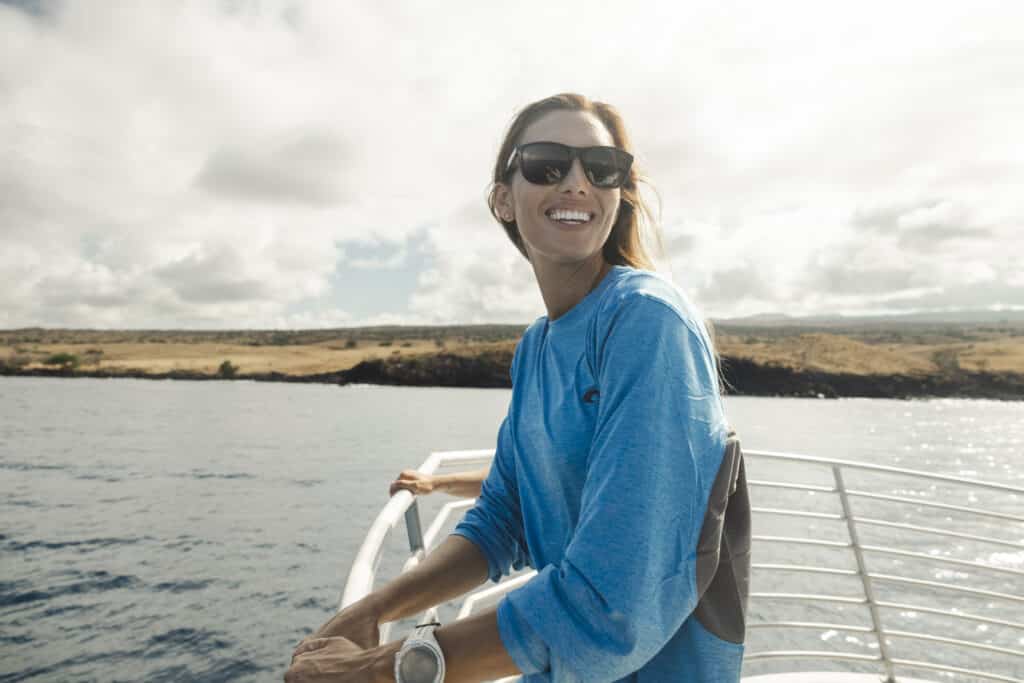
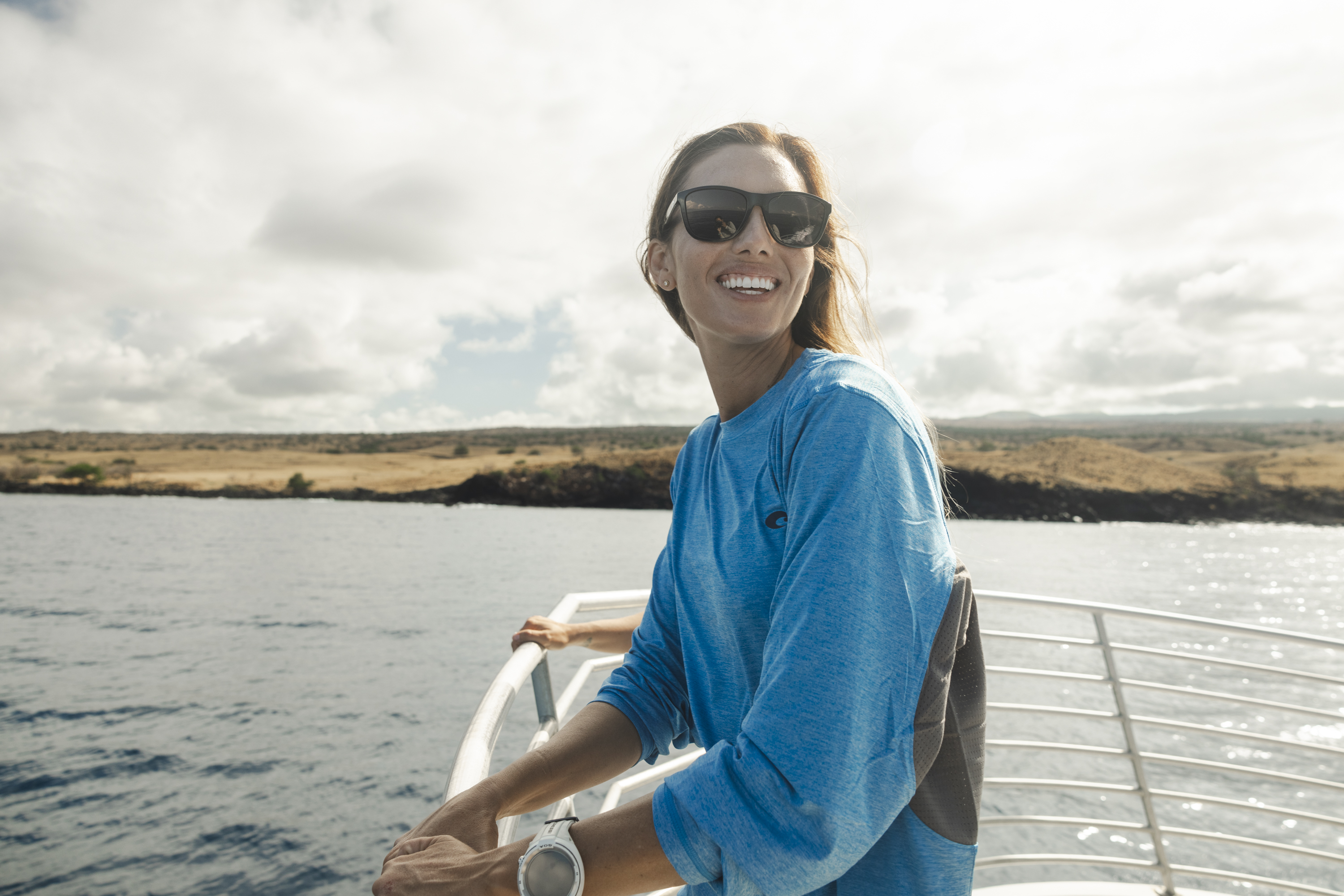
Costa Pro & PADI Ambassadiver Rachel Moore
“PADI and Costa have a long-standing shared commitment to protecting our blue planet—but together, we can do even more,” said Jed Larkin, Costa Brand Director. “We’re proud to partner with PADI to amplify meaningful action and inspire a new wave of ocean advocates. As the health of the ocean reaches a tipping point, this collaboration allows us to welcome more people into the wonder and responsibility of the watery world—so they can see it, love it, and ultimately fight to protect it.”
From the surface to the seafloor, both organizations have long been committed to protecting marine ecosystems and conserving the watery world we all rely on. As part of the partnership, Costa will support the PADI AWARE Foundation with a donation to help advance its mission of achieving balance between humanity and the ocean. Harnessing the collective power of 29 million PADI-certified divers and the global dive industry, the Foundation tackles the ocean’s most pressing threats—plastic pollution among them. Working alongside PADI, Costa will rally a global network of volunteers, driving efforts to protect vital marine habitats and champion sustainable practices that keep ocean ecosystems thriving.
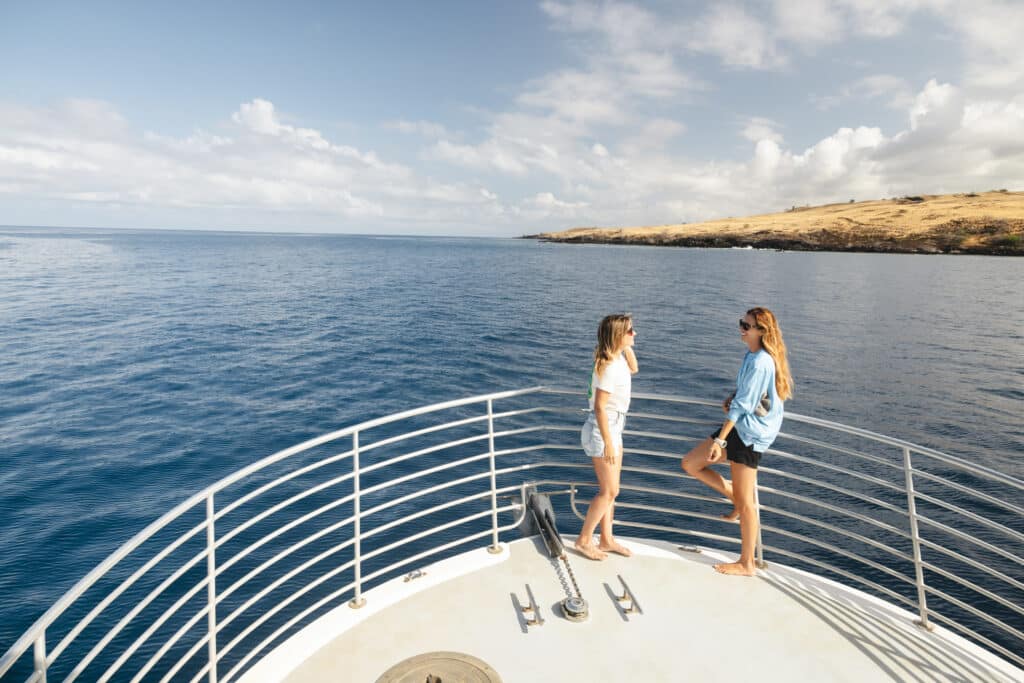
Costa Pros & PADI Ambassadivers Gádor Muntaner and Rachel Moore
“As the world’s largest diving organization, PADI is leading a powerful movement to restore ourselves, our communities and the blue planet we call home.” said Katie Thompson, Sr. Director of Environment and Sustainability at PADI. “Working with Costa was a natural next step in this. Through this partnership, PADI joins more than 20 conservation allies and 2,400 Costa Pros who share the same calling—allowing us to amplify our efforts.”
With a bold blueprint for ocean action, PADI aims to eliminate marine debris, protect marine species, and expand blue carbon habitats. PADI’s Dive Against Debris program actively engages divers to remove underwater debris while collecting vital data that contributes to global conservation efforts. These insights form the foundation of the world’s largest citizen science movement for marine research, driving meaningful policy change and amplifying the voice of the dive community in support of a global ocean conservation agenda.
Protecting the waters we love is part of Costa’s DNA. In 2015, Costa launched the Kick Plastic® program to tackle the single-use plastic polluting waterways and ignite a global movement. Since then, the initiative has led to 50 tons of lenses recycled, 3 million plastic bottles eliminated through its guide program, and more. As part of its ongoing efforts, Costa introduced a paper alternative to single-use plastic bags. The new Vela™ FSC™ certified paper bags are weather-resistant, durable, transparent, and curbside recyclable. The brand also repurposes 1/2 ton of discarded fishing nets every year to create its Untangled™ Collection of eyewear.
Eleven years ago, I entered the optical industry as a newcomer with a passion for bold, fashionable frames. To gain traction for my brand, I knew I had to hit the road and support my efforts by building a presence on social media. The zanier the posts, the more engagement I received.
I loved featuring our customers and brands, showcasing how our eyewear could enhance sight and inspire confidence. Nothing was more rewarding than helping others feel their best in their state-of- the-art eyewear.
I never realized the impact of my craft until I visited a European trade show, was recognized by many, and approached by name. Both humbled and excited, I realized that sharing quirky and engaging content, offered us global connections. Not only was I having a blast, but I was able to showcase the many professionals, who helped bring our industry to a whole new level of style, savvy, and flair.
As I scrolled through social media, I discovered a wealth of inspiration and developed a deep admiration for our creative opticians, optometrists, reps, and manufacturers. These professionals, many of whom found a unique voice online, have built strong personal brands that go beyond numbers—they create genuine connections. When their posts make you smile, you know their mission is accomplished.
Being heart-centered, zany, unique, colorful, and impactful is what truly resonates. Engagement isn’t just about likes or shares; it’s about how their content makes you feel and the memories it leaves behind. I admire many of these trailblazers who have inspired my journey, though there are far too many to name them all.
If you’re building a brand or business, go all in—give it your best creative edge and immerse yourself in this vibrant community of game changers. Having a side gig to support your craft is all about imagination, and the fun you can have at this level of creativity is limitless. Join me in paying homage to these amazing global visionaries by checking out their socials. Inspiration and beauty are everywhere— and it’s our job to share it!
Kim Rosner, Winnipeg, MB @Kim Rosner
Kim has spent two decades perfecting her craft in opticianry, with the last year and a half dedicated to running her own boutique. Her bold, edgy style has taken social media by storm, drawing in audiences with her hands-on expertise and distinctive approach. Kim doesn’t just model her curated collections—each frame she showcases feels like it has a personality of its own. With a signature “up close and personal” touch, she highlights the intricate details of every design. It’s a captivating experience that keeps you coming back, as she handpicks the most innovative, futuristic frames that truly stand out. The best part of her job is connecting with people—educating them and building meaningful relationships around how their eyewear has positively impacted and enhanced their lives.
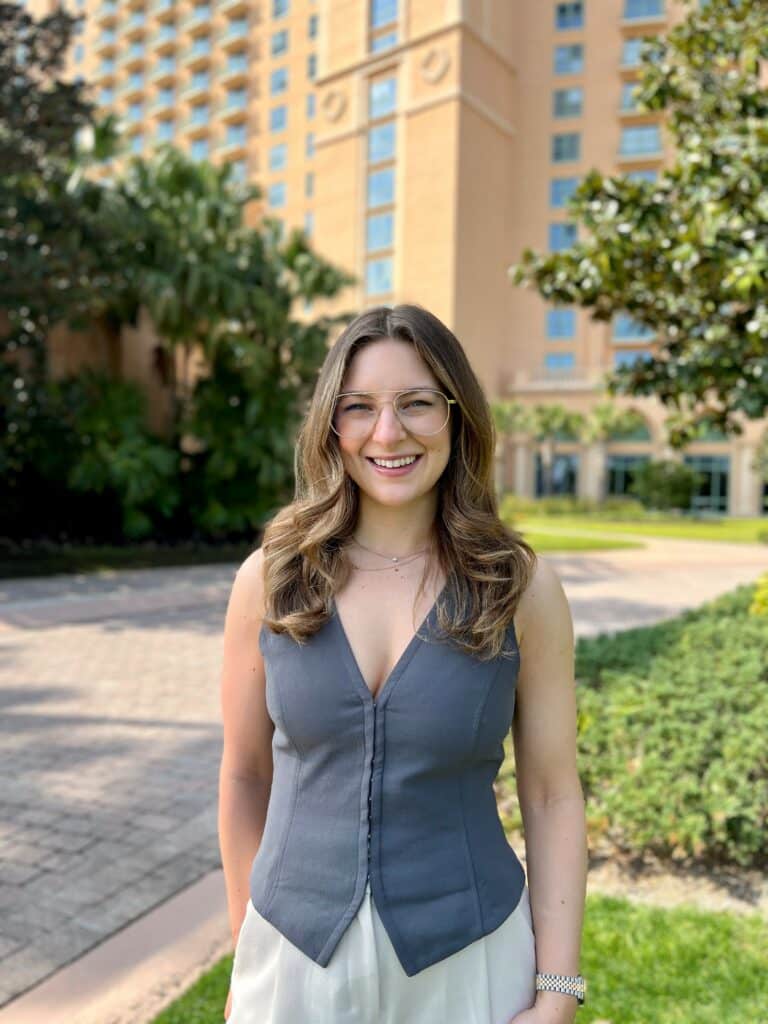
Alexa Hecht, Toronto, ON @Alexahecht
Alexa is an optometrist who has captured our attention by sharing her expertise on all things eye health. With her refreshing smile, stylish approach, with a blend of tips, trends, and medical insights, Alexa has built a loyal following, both with her patients and the online community.
She finds her inspiration in being an integral part of her patients’ joy and overall experience. With over 2.4 million likes on her feed, there’s no doubt Alexa is leading the way—bringing her knowledge and passion from Canada, with love.
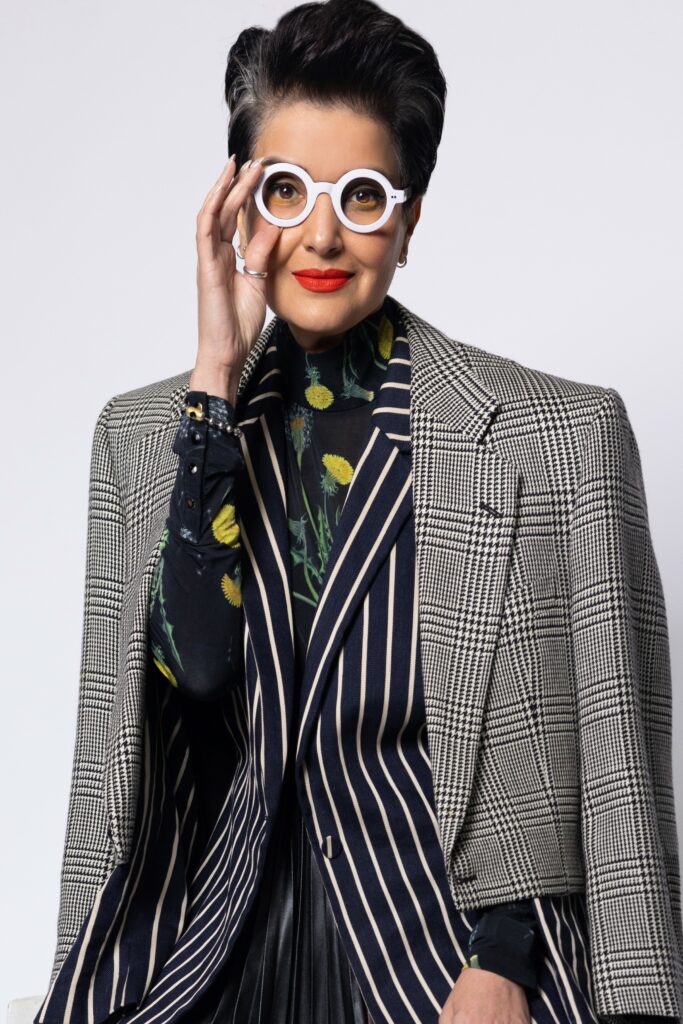
Sue Randawa, Vancouver, BC @suerandhawa_
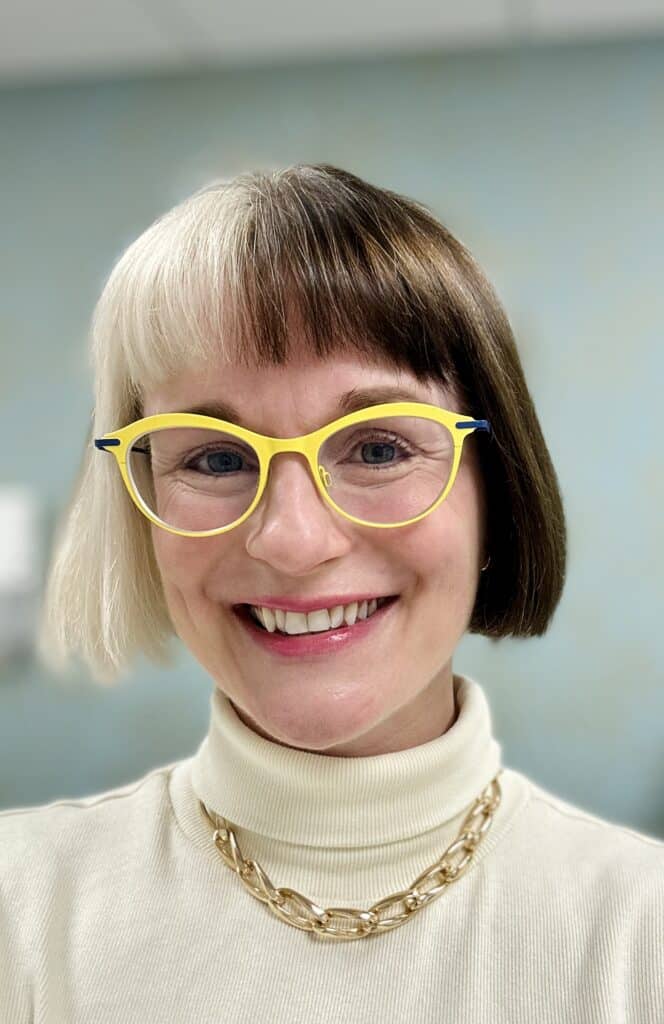
Sue, our true fashionista, has been an optician for an impressive 36 years. Recognized as a trendsetter, she was even named “Best Dressed” in the 2021 Globe and Mail feature, where she effortlessly showcases her stunning eyewear collections. It was that same year that Sue realized the full power of social media and took her game to the next level.
She discovered that modeling frames online is the best way to truly highlight how style can enhance a person’s look. People connect more with glasses when they see them on a face, rather than on a display or in a case. By building intimate relationships with her customers, Sue places fashion at the forefront, making the artistry of eyewear her ultimate goal. It all begins with glasses!
Kristie Nguyen, Orlando, FL @drkristienguyen
Kristie has been a practicing optometrist for almost 20 years. Eight years ago, she started posting on social media in joining a direct sales company. It reignited her passion for eyecare while teaching her about personal branding. Kristie gives back to the entire optical community, by being receptive and generous by supporting others while featuring her own favorite brands. Her affable nature has made her one of the most sought-after OD influencers within our industry, as she is true to who she says she is. Kind, compassionate, and caring, and she has the ability to engage many, to follow her on her social media platforms. Giving back is a big part of her appeal, and we recognize her significance as “The one to watch!” As Kristie advocates,” Helping people see more clearly each day I’m at the office makes my heart happy. To know this is my calling and I’m blessed to be able to offer my services”. Most recently at MIDO 2025, Kristie took over the TEF Magazine Instagram feed, featuring some of the hottest new trends in high fashion eyewear.
Tom Sasso, Holland, MI @tomsgotglasses
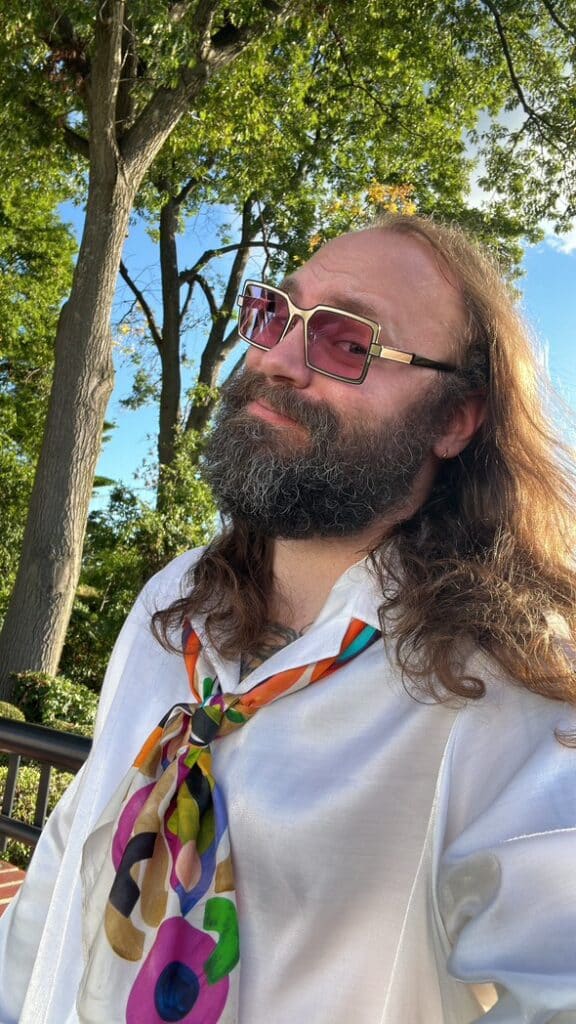
Tom has been a certified optician for 6.5 years and started to post on social media only last year. His zany humor and “wild and crazy guy!” personality, sparks great engagement. Although he is still new to the “influencer” game, we believe that Tom will also be one of our top leads in optical. He wants to share that it’s okay to have fun, smile, dance, and be stylish, in very cool glasses!
Tom’s favorite part of his job is the personal connection that he forges, and how styling his customers in cool glasses can inspire joy and happiness. Tom also has a very generous heart, and that comes through in his gifting accessories to his followers. We hope to see more quirky, crazy, and fun posts, as he always makes us smile with his refreshing style of presenting super cool glasses!
Kristy Litherland, Worcestershire, UK @optomlovesglasses
We always love the international flavour of talent, and Kirsty has hit the bullseye with her quirky and fun videos. She inspires education, dedication, and self-deprecation when she posts, and is hilarious! Her nature inspires us to consider her one of the top leads in her field, as she inspires so much goodness and kindness, by being fun and offbeat.
The word “nerd” comes to mind, but all in good fun! Kirsty started to post three years ago to amuse herself and to her amazement, she gained a global following. People relate to her lighthearted and joyful spirit and she enjoys working in the independent sector. She loves bringing humour to her colleagues and peers in hopes to brighten everyone’s day!
Want to see more like this article? Click here to subscribe to our FREE print magazines and e-newsletters!
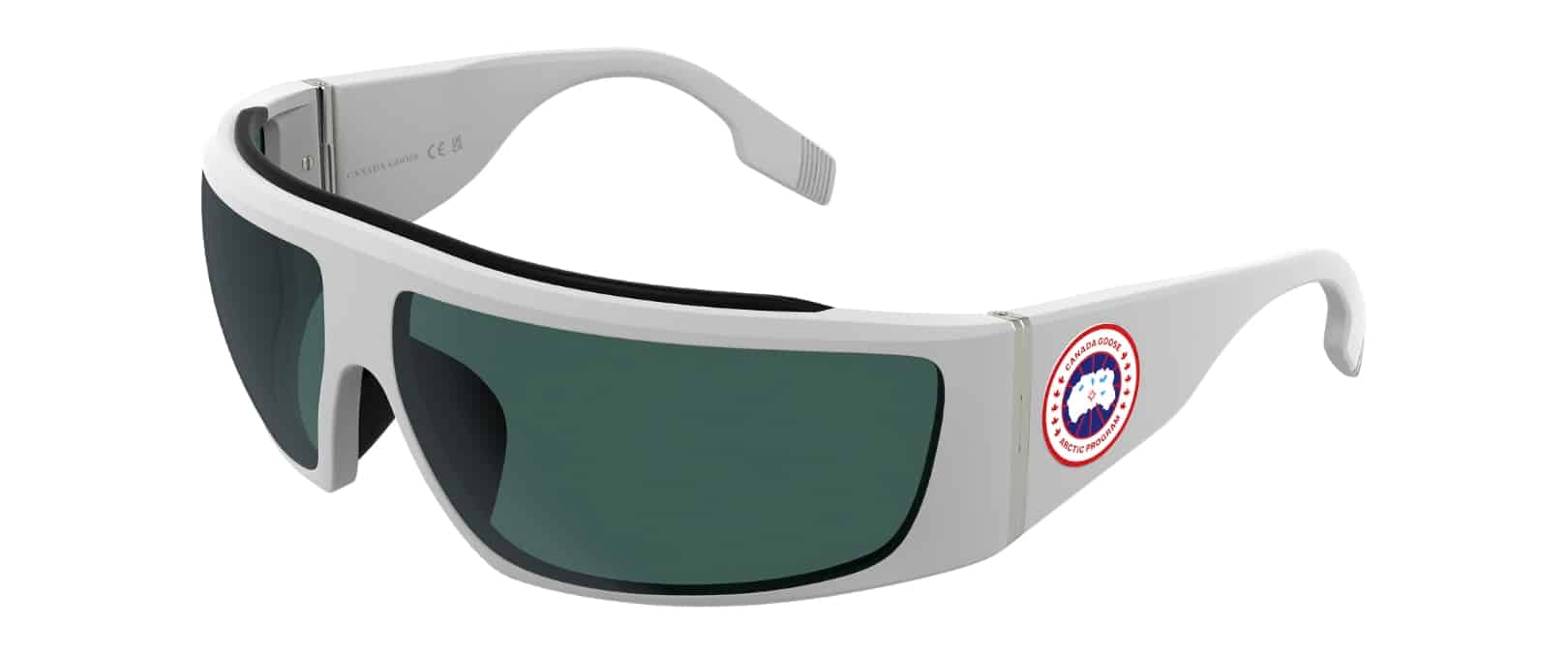
Bold, sustainable, and built for action, this SS25 standout adapts with interchangeable temples and a sporty elastic band. Made from 60% plant-based bio-injected resin, it features AI-designed Sideris lenses, anti-slip nose pads, and an iconic disc logo on both temples. Designed for movement—made to stand out.
Working with leading brands to constantly push the envelope through distinct designs, innovative materials and clever constructions, Marchon Eyewear’s goal is to consistently design distinctive eyewear that offers accessible quality, style and value.
Marchon is proud of its diversified portfolio of brands, covering key demand segments in the premium end of the market.
Marchon Eyewear distributes its products through a global network of subsidiaries and distributors, serving over 80,000 accounts in more than 100 countries.
Whether helping people access quality care, supporting eye care providers in managing their practice, or partnering with local organizations to aid our communities, VSP Vision™ is there with a comprehensive portfolio of brands that keep health at the center of everything we do. As the first not-for-profit eye health company, care and compassion have led our growth for nearly 70 years. Today, our focus remains on helping those we serve bring their best vision to life.
Want to see more like this article? Click here to subscribe to our FREE print magazines and e- newsletters!
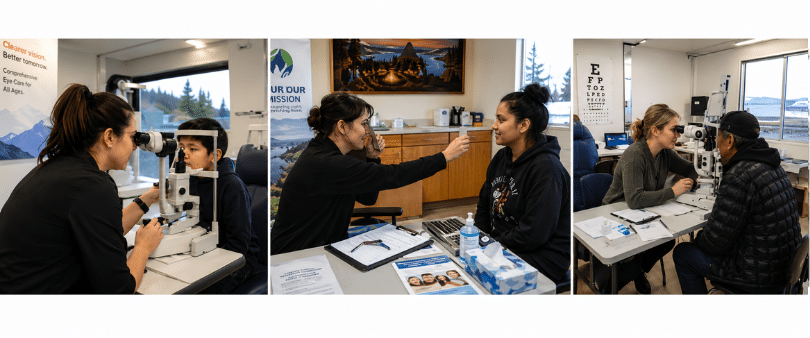
Discover how improving access, trust, culturally safe care, and early eye examinations can help close gaps in vision care for Indigenous communities in Canada.
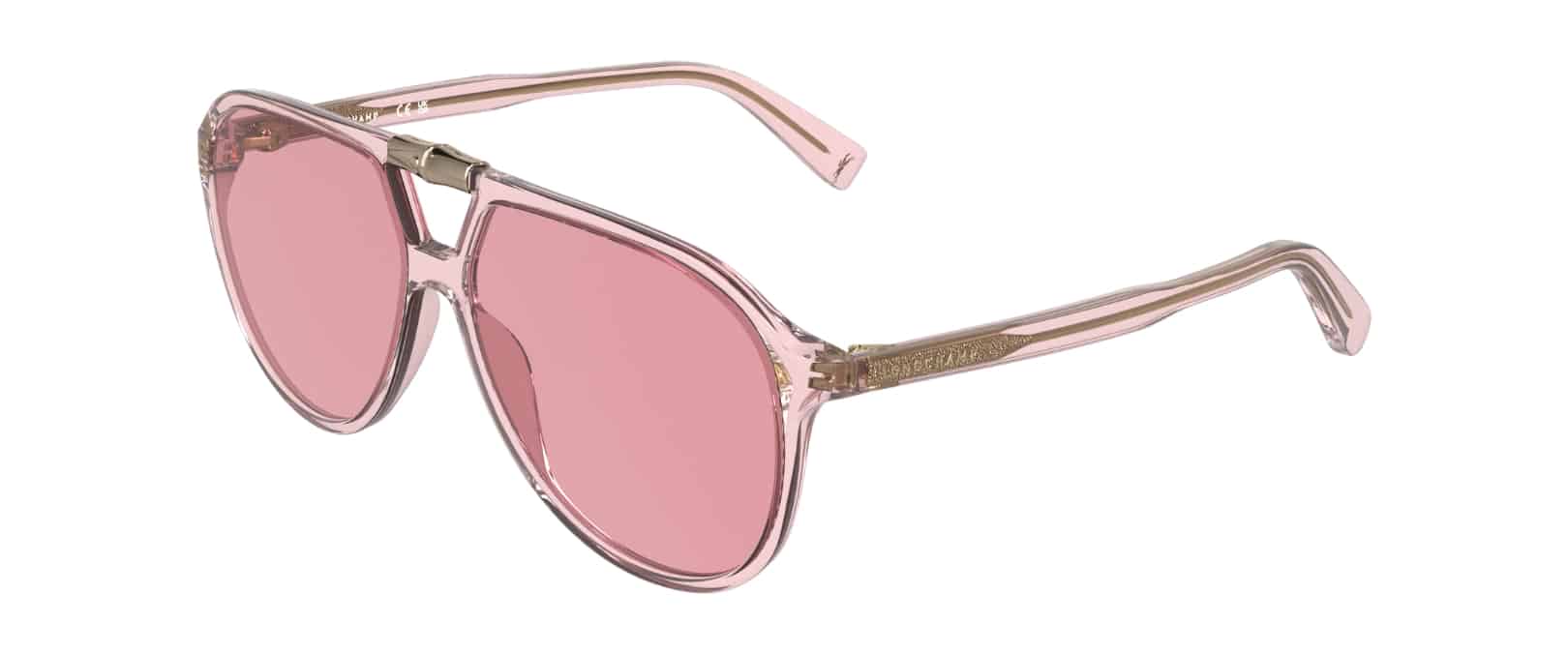
Inspired by Longchamp’s Roseau line, the LO800S sun frame combines a lightweight teardrop shape, transparent colourways and refined bamboo-style metal detailing.
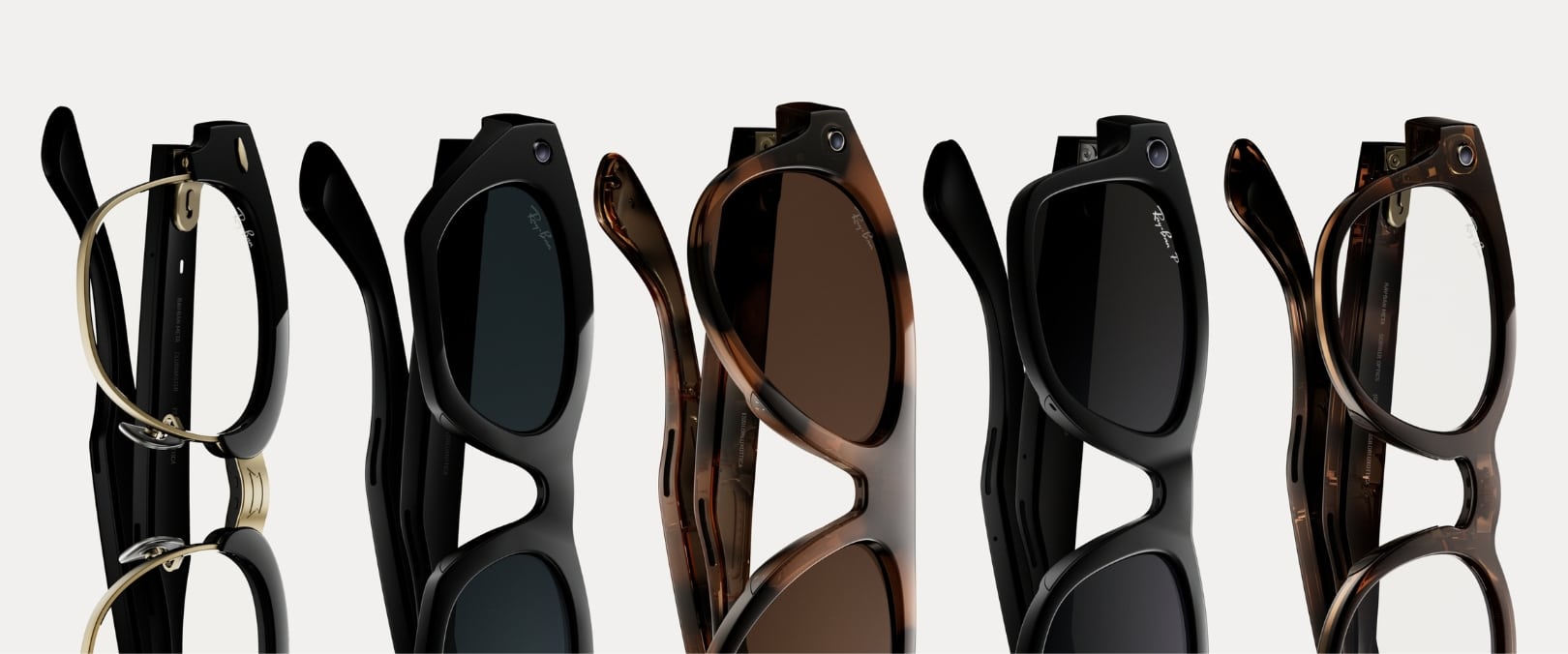
Ray-Ban Meta expands its portfolio with new audio only AI glasses and next generation Gen 3 models, bringing AI, audio and hands free capture to iconic frames.
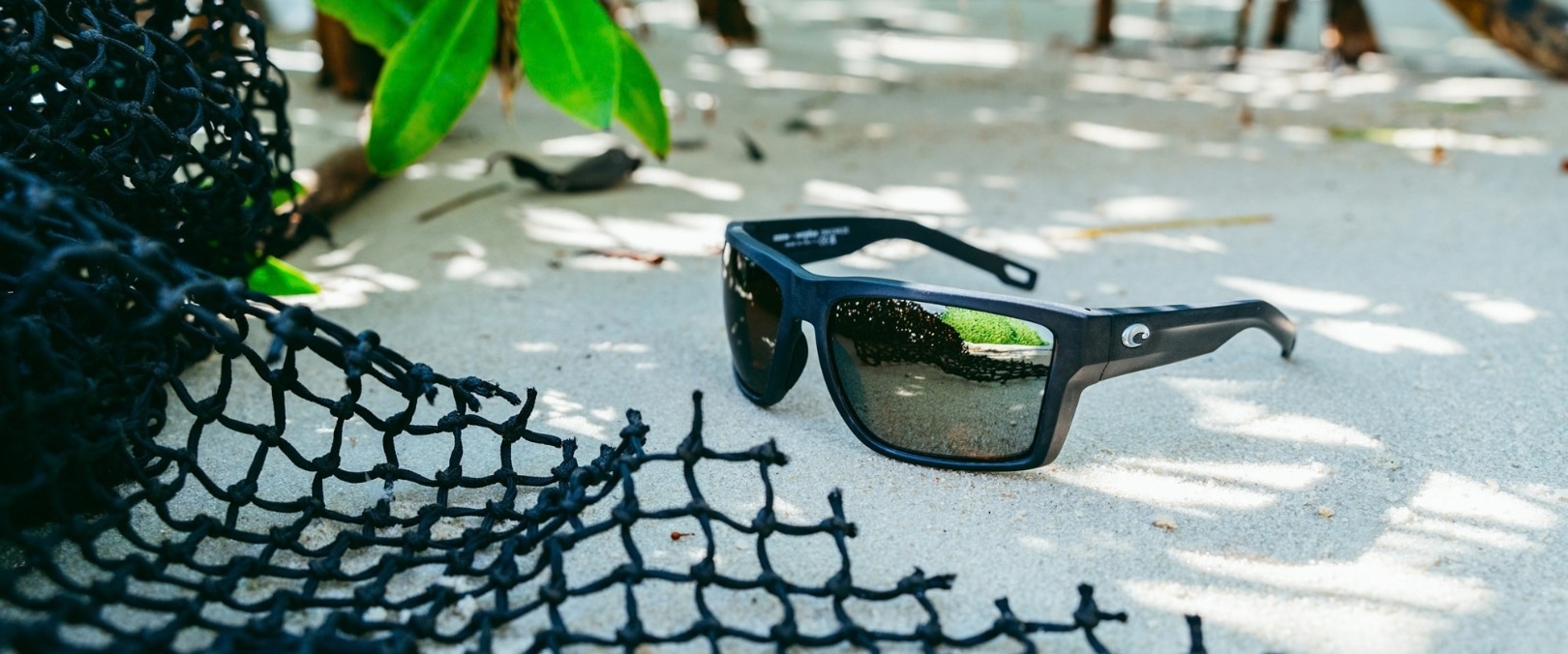
Costa expands its Untangled eyewear collection with new frames made from NetPlus recycled fishing nets, strengthening its commitment to ocean protection.
First Look London 2027 introduces a curated showcase of independent eyewear brands and new designers, hosted at King’s Cross Town Hall with a world class content programme.
Discover how improving access, trust, culturally safe care, and early eye examinations can help close gaps in vision care for Indigenous communities in Canada.
Inspired by Longchamp’s Roseau line, the LO800S sun frame combines a lightweight teardrop shape, transparent colourways and refined bamboo-style metal detailing.
Ray-Ban Meta expands its portfolio with new audio only AI glasses and next generation Gen 3 models, bringing AI, audio and hands free capture to iconic frames.
Costa expands its Untangled eyewear collection with new frames made from NetPlus recycled fishing nets, strengthening its commitment to ocean protection.
First Look London 2027 introduces a curated showcase of independent eyewear brands and new designers, hosted at King’s Cross Town Hall with a world class content programme.
Discover how improving access, trust, culturally safe care, and early eye examinations can help close gaps in vision care for Indigenous communities in Canada.
Inspired by Longchamp’s Roseau line, the LO800S sun frame combines a lightweight teardrop shape, transparent colourways and refined bamboo-style metal detailing.
Ray-Ban Meta expands its portfolio with new audio only AI glasses and next generation Gen 3 models, bringing AI, audio and hands free capture to iconic frames.
Costa expands its Untangled eyewear collection with new frames made from NetPlus recycled fishing nets, strengthening its commitment to ocean protection.
First Look London 2027 introduces a curated showcase of independent eyewear brands and new designers, hosted at King’s Cross Town Hall with a world class content programme.
Discover how improving access, trust, culturally safe care, and early eye examinations can help close gaps in vision care for Indigenous communities in Canada.
Inspired by Longchamp’s Roseau line, the LO800S sun frame combines a lightweight teardrop shape, transparent colourways and refined bamboo-style metal detailing.
Ray-Ban Meta expands its portfolio with new audio only AI glasses and next generation Gen 3 models, bringing AI, audio and hands free capture to iconic frames.
Costa expands its Untangled eyewear collection with new frames made from NetPlus recycled fishing nets, strengthening its commitment to ocean protection.
First Look London 2027 introduces a curated showcase of independent eyewear brands and new designers, hosted at King’s Cross Town Hall with a world class content programme.