
fbpx

CooperVision Achieves Zero Waste Certification at Six Global Manufacturing and Distribution Facilities

CooperVision

CooperVision has earned Zero Waste Facility Program Certification for six of its global contact lens manufacturing and distribution sites.*1 The certification, which demonstrates the degree to which operations prevent or divert waste from landfills, was attained by the company’s facilities in Juana Diaz, Puerto Rico; Alajuela, Costa Rica; Delta Park and Mount Park in the U.K.; and Scottsville and West Henrietta, N.Y.*1
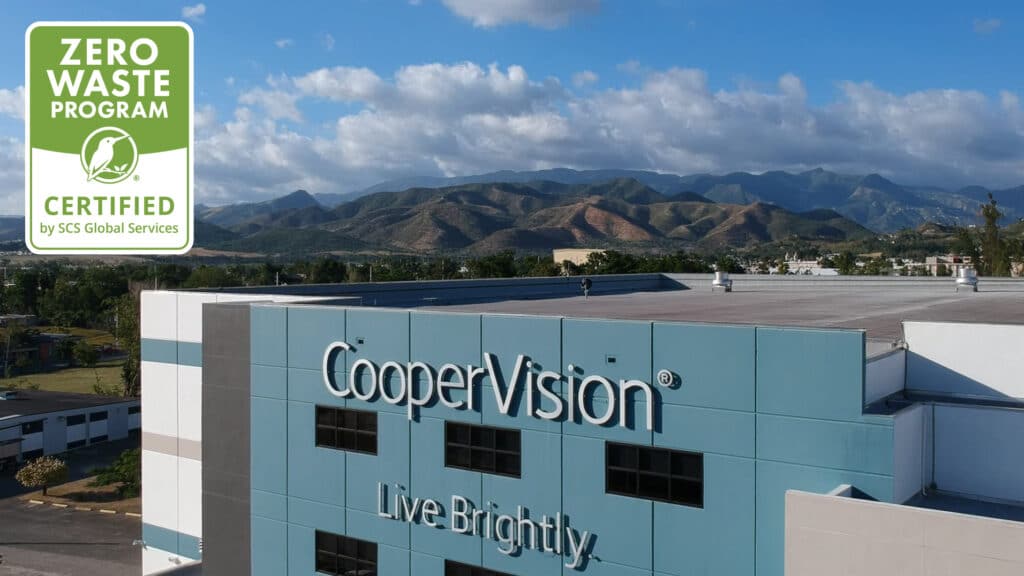
CooperVision Zero Waste Certification

Each site was evaluated and certified individually by SCS Global Services (SCS), an international leader in third-party environmental and sustainability certifications, under its latest Zero Waste standard. CooperVision facilities which have varying diversion percentages achieved certification through a combination of recycling, composting, waste-to-energy, resale, and reuse.*1

“Getting the waste diverse certified at all six of these facilities is not only a celebration of our current efforts but serves as another significant benchmark of progress in our sustainability journey,” said Rolando Torres, Chief Operations Officer, CooperVision. “Our teams continuously explore opportunities to operate more sustainably across the entire business. We won’t stop here.”

The Zero Waste Facility Certification reflects the latest milestone in CooperVision’s environmental initiatives focused on conserving energy; reducing, reusing, and recycling resources; and empowering people within the company and the communities in which it operates.*†1 CooperVision’s facilities in Puerto Rico, Costa Rica, Scottsville, and West Henrietta also hold prestigious LEED® certifications, and Mount Park a BREEAM® “Excellent” rating.‡ 2,3

CooperVision pioneered the world’s first net plastic neutral contact lenses§4 through a partnership with Plastic Bank®, through which the company purchases credits to fund the collection, processing, and reuse of general ocean-bound plastic waste that is equal to the weight of the plastic contained in the product.◊5 The initiative has had an environmental impact equivalent to more than 466 million plastic bottles recovered since its inception in 2021. ¶6 CooperVision now offers a complete portfolio of net plastic neutral contact lenses in designated countries

The company is continuously working to minimize environmental impact and support People + Planet around the globe as part of broader efforts across CooperCompanies to contribute to the United Nations’ Sustainable Development Goals.** 2,5 For more information, visit coopervision.com/sustainability.

___________________________________________________

* Zero Waste Program Certification is obtained through SCS Global Services, an international leader in third-party certification, validation, and verification for environmental sustainability.

† Zero Waste Program Certification for six global manufacturing and distribution sites — Juana Diaz, Puerto Rico; Alajuela, Costa Rica; Delta Park and Mount Park in the UK; and Scottsville & West Henrietta, NY.

‡ Leadership in Energy and Environmental Design. BREAM: Building Research Establishment Environmental Assessment Methodology.

§ Range defined as all 1 day brands and segments: sphere, toric and multifocal.

◊ Plastic used in participating CooperVision soft contact lens products is determined by the weight of plastic in the blister, the lens, and the secondary package, including laminates, adhesives, and auxiliary inputs (e.g. ink). The determination does not include plastic used during the manufacturing process for both these products and their packaging.

¶ CooperVision, through its collaboration with Plastic Bank, to have collected and converted approximately 9.3M kg of plastic destined for waterways as of February 2025. Using Plastic Bank’s metric of 1kg of plastic equaling 50 standard 202mm bottles, that will be the equivalent of approximately 466M plastic bottles not reaching our oceans.

** Refers to continuous manufacturing improvement processes undertaken by CooperVision to reduce its Scope 1 and 2 carbon emissions.

References

1 SCS Global Services Certificate Nos. SCS-ZW-0008, SCS-ZW-0011, SCS-ZW-0012, SCS-ZW-0014, SCS-ZW-0018, SCS-ZW-0019.

2 CVI data on file, 2024. US Green Building Council. Building Research Establishment.

3 CVI data on file, 2025. US Green Building Council. Building Research Establishment.

4 CVI data on file, 2021, 2020-2020 Plastic Bank Contract Agreement.

5 CVI data on file, 2024.

6 CVI data on file as of 02/2025.

Click HERE for the press release.

Want to see more like this article? Click here to subscribe to our FREE print magazines and e-newsletters!


ASAP Rocky and Ray-Ban Preview New Collection During Milan Fashion Week Pop-Up

Ray-Ban ASAP Rocky Milan Fashion week
Rocky ASAP Ray-Ban

Multi-hyphenated artist, entrepreneur, actor and fashion icon A$AP Rocky and Ray-Ban hosted an exclusive event celebrating his new role as creative director and previewing his upcoming collection at the Trattoria del Ciumbia during Milan’s Fashion Week.

Two special installations of Rocky’s unreleased designs were featured during the dinner. Opening into a modern touch of the Ray-Ban heritage, it highlighted a brand-new overexaggerated version of the iconic Wayfarer. Later, the celebrations moved into a black light private room with highlighted futuristic LED shield shapes, bold colors and innovative designs where guests were able to try on some of the exclusive styles.

The evening continued with an official after party hosted by Ray-Ban & A$AP Rocky with sounds that carried guests through the evening by DJ Hell Raton.

The event featured an impressive list of celebrities and models such as Maneskin’s Vic de Angelis, Taylor Hill, Brent Faiyaz, Ice Spice, Isabeli Fontana, Alton Mason, Fai Khadra, Charli D’Amelio, Romeo Beckham, Anna Dello Russo, Rafael Pavarotti, Charley Vezza, Caro Daur, Loli Bahia, Rose Villain, Bresh, Clara Soccini and more.

Rocky ASAP Ray-Ban

While the exclusive event concluded, over 200 guests from the fashion and creative industries were gifted a special A$AP Rocky newspaper, building momentum from the recent appointment as the new Creative Director for Ray-Ban Studios.

Click HERE for the press release.

Want to see more like this article? Click here to subscribe to our FREE print magazines and e-newsletters!

Experts Address Consumer Contact Lens Online Search Habits

contact lens institute

A recording of the “Digital Discovery: Consumer Searches Reveal Contact Lens Realities” panel from Vision Expo East 2025 is now available for viewing at https://bit.ly/DigitalDiscoveryPanel. Presented on the conference main stage in Orlando, the discussion delves into new Contact Lens Institute research surrounding consumer search habits and subsequent opportunities for enhanced practice management and patient experiences.

The fast-paced conversation touches on the top 20 contact lens searches on Google, the majority of which were purchase driven; a revelation that consumers are seeking contact lens removal advice far more than insertion guidance; and continued opportunity to raise the benefits of both glasses and contact lens use with patients.

Panelists include Roxanne Achong-Coan OD, FAAO, FIAOMC, FSLS, Dip CCLRT, of Coan Eye Care and Optical Boutique in Ocoee, Fla.; Ryan Corte, OD, of Northlake Eye in Charlotte and Asheville, N.C.; and Nishan Pressley, OD, of Essential Eyecare & Optical in Apopka, Fla. Contact Lens Institute Chairperson Charissa Lee, OD, MBA, FAAO, moderates the conversation.

With run time of under 20 minutes, the video is ideal for use with individual and group staff training. It complements a range of additional reports and training tools developed through CLI’s See Tomorrow initiative, all accessible to the eye care community at no cost from contactlensinstitute.org.

CLI conducted the digital search research using Google “contact lenses” auto-complete results for U.S. and Canada, and TikTok auto-complete results in English, sourced via AnswerThePublic.com, with data collected weekly from January 3-31, 2025. Auto-complete suggestions employ language, location, and trending user behaviors to suggest the most searched phrases over the past several weeks. In addition, CLI analyzed Google Trends data for December 1, 2024, to January 31, 2025. Google Trends reports relative rankings of search terms over a defined period, using completed user behaviors, plus rank-ordered related topics and searches from the same user sample.

Click HERE for the press release.

Want to see more like this article? Click here to subscribe to our FREE print magazines and e-newsletters!

Do ECPs Want to “buy Canadian”?

ECP Survey on Country of Origin

Survey: Canadian ECPs Show Strong Preference for Locally Sourced Optical Products

A recent survey conducted in February and March 2025 reveals that Canadian Eye Care Professionals (ECPs) are increasingly mindful of where their optical products come from, with a strong preference for Canadian-made options—if available at competitive pricing and quality. However, the results also highlight a lack of transparency in sourcing, with many ECPs unaware of the actual country of origin for the frames, lenses, and contact lenses they purchase.

Survey Participation and Respondent Profile

The survey gathered 131 responses from Canadian ECPs, with:

  • 64% identifying as Optometrists
  • 67% working in Independent Optometry Clinics, while the remainder were split among Independent Optical Stores, Retail Chains, and other business models.

This respondent mix provides insight into purchasing preferences among decision-makers in independent practices, a key segment of the optical industry.

Limited Awareness of Product Origins

The findings indicate that most ECPs do not know the exact country of origin for the products they stock:

  • Ophthalmic Lenses – Only 27% of respondents were “Very Certain” or “Often” aware of their origin.
  • Eyewear Frames – Awareness was higher, with 55% having some knowledge, but only 22% reporting certainty.
  • Contact Lenses – Awareness was lowest, with only 12% “Very Certain” of country of origin.

This uncertainty is due in part to a lack of labeling requirements in Canada, as well as the complexity of global supply chains. One respondent noted:

“Even for companies that say their products are made in Canada, many of the parts are sourced elsewhere. It’s hard to know how much is actually being produced domestically.”

Another highlighted the need for clearer labeling:

“I would love to receive more information on where products are made if such information was available.”

Strong Preference for Canadian Sourcing

When asked where they would prefer to source their optical products—assuming equal price and value—ECPs ranked their preferences as follows:

1️⃣ Canada
2️⃣ Europe
3️⃣ Asia
4️⃣ USA

This aligns with growing consumer interest in Canadian-made goods, particularly in response to recent tariff threats and trade tensions. As one respondent put it:

“Since the tariff threats, many patients have asked about country of origin and specifically about Canadian-made products.”

Another added:

“Although buying Canadian hasn’t been a priority in the past, with the recent climate, it has been brought up more and more. Both patients and staff members want to be consciously buying Canadian.”

Would ECPs Switch to Canadian Alternatives?

If given the option, 53% of ECPs said they would make an effort to switch to Canadian-made products, while another 44% said they might, depending on cost, quality, and availability. Only 2.5% indicated that country of origin would not influence their purchasing decisions.

Some respondents emphasized the need for competitive pricing and quality to drive this shift:

“If the industry provided great quality at good pricing, I think more ECPs would actively choose Canadian products. But we have to make the shift collectively.”

Others noted the lack of available Canadian-made options, particularly in frames and lenses:

“I struggle to find Canadian brands from a manufacturing aspect and would happily stock Made in Canada alternatives that also support sustainability and environmental consciousness.”

Do Patients Ask About Country of Origin?

Although ECPs themselves are becoming more aware of sourcing, patient inquiries about country of origin remain limited:

  • 15% of ECPs said patients frequently ask about the origin of their lenses, frames, or contact lenses.
  • 40% reported occasional inquiries from patients.
  • 28% said it is rare, and 17% have never been asked.

However, interest in Canadian-made options appears to be increasing:

“I will bring up the Made in Canada products, and most patients appreciate the information and choose Canadian. This has been more pronounced over the past month.”

The Challenge of Determining Country of Origin

For frames in particular, determining country of origin is not always straightforward. Even when labeled as “Made in [Country X]”, frame production often involves a global supply chain. Materials such as acetate, hinges, screws, and temples may be sourced from multiple countries before final assembly. As a result, a frame designed in Canada but assembled elsewhere may contribute to the Canadian economy, but not qualify as truly “Made in Canada.”

One respondent reflected on this challenge:

“One needs to define country of origin. Designed in Italy, manufactured in China, inspected and assembled in Italy, distributed by a U.S. company—so which is the origin?”

Another emphasized the value of Canadian design and branding even when manufacturing occurs abroad:

“Fully designed and made in Canada is rare. But frames designed by Canadian-domiciled companies still contribute to our economy and industry.”

What Should ECPs Ask Their Suppliers?

With limited transparency in product sourcing, ECPs can take a more proactive role by asking suppliers key questions, including:

🔍 For Ophthalmic Lenses:

  • Where are these lenses manufactured and processed?
  • Are coatings and edging done in Canada?
  • Are fully Canadian-made lens options available?

👓 For Eyewear Frames:

  • Where are these frames designed and assembled?
  • Do Canadian-branded frames use imported components?
  • Are there truly Made-in-Canada frame options?

🛠️ For Finished Jobs from Labs:

  • Where do the lab’s lenses come from—Canadian sources or imports?
  • Are coatings and edging services performed in Canada?
  • Can I request Canadian-sourced materials?

One respondent summed it up:

“We should all be more mindful of where products are made and be able to speak to that comfortably.”

Final Takeaways

This survey confirms that while ECPs have limited awareness of product sourcing, there is strong interest in Canadian-made optical products, particularly as economic and political factors shift buying preferences. However, the industry faces challenges in transparency and availability, particularly for frames and lenses.

Looking ahead, greater visibility on product sourcing and clearer labeling could help both ECPs and patients make more informed choices.

Study Published in Peer-Reviewed Journal Shows MiSight® 1 day Provides Desirable Myopic Defocus for Higher Prescriptions

CooperVision

A newly published study in a peer-reviewed journal reinforces prescribing confidence in CooperVision’s MiSight® 1 day soft contact lenses for higher prescriptions, demonstrating their ability to deliver consistent retinal defocus in more prolate-shaped eyes commonly associated with higher myopia. The performance is consistent with the optical profile that has been shown to slow myopia progression in powers to correct low and moderate levels of myopia.*1

Recently published in Ophthalmic and Physiological Optics, the research journal of the UK’s College of Optometrists, Accommodative Behavior and Retinal Defocus in Highly Myopic Eyes Fitted with a Dual Focus Myopia Control Contact Lens (Meyer D et al.) is now accessible via Open Access.

“This study provides compelling evidence that MiSight® 1 day delivers consistent defocus from the treatment zones across a wide range of myopia levels,” said Paul Chamberlain, Senior Director of Research Programs at CooperVision and one of the paper’s authors. “The research marks the latest data in a years-long collaboration to overcome instrumentation limitations and develop a precise, advanced technique for measuring treatment impact.”

Investigators evaluated teenagers and young adults who had high myopia (−6.50 to −9.25 D).† They found that accommodative behavior remained stable fitted with single vision and dual focus lenses. This is particularly relevant as higher levels of myopia are often associated with larger accommodative lags.

Additionally, the work illustrated that MiSight® 1 day achieved significant optical defocus across varying viewing distances and retinal regions. Measured retinal defocus within the annular treatment zone was approximately −2.00 D at the foveal center, 10° nasal and temporal and 20° nasal and reduced to −1.90 (0.57) D at 20° temporal. This consistent level of myopic defocus helps ensure effective optical signaling, which is key to slowing myopia progression in wearers.

These findings strengthen the evidence for MiSight® 1 day in myopia management for higher prescriptions, offering eye care professionals valuable data to guide clinical decisions and contributing to the expanding research on optical interventions for myopia control. For more information on CooperVision’s myopia control and management advancements, visit www.coopervision.ca.

Click HERE for the press release.

Want to see more like this article? Click here to subscribe to our FREE print magazines and e-newsletters!

_______________________________________________

* Compared to a single vision 1 day lens over a 3 year period.

† USA Indications for use: MiSight® 1 day (omafilcon A) soft (hydrophilic) contact lenses for daily wear are indicated for the correction of myopic ametropia and for slowing the progression of myopia in children with non-diseased eyes, who at the initiation of treatment are 8-12 years of age and have a refraction of -0.75 to -4.00 diopters (spherical equivalent) with ≤ 0.75 diopters of astigmatism. The lens is to be discarded after each removal. Canadian Indications for Use: MiSight (omafilcon A) Soft Contact Lenses for Myopia Control may reduce the rate of myopia progression in children (6-18) and correct ametropia. Reduction of myopia progression was observed in children with wearing time of 12 hours (8-16 hours) per day, 6.4 days (5-7) per week in a clinical study. Permanent myopia control after lens treatment is discontinued is not supported by clinical studies. MiSight (omafilcon A) Soft Contact Lenses for Myopia Control are indicated for single use daily disposable wear. When prescribed for daily disposable wear, the lens is to be discarded after each removal.

References

1 Chamberlain P et al A 3-year Randomized Clinical Trial of MiSight Lenses for Myopia Control. Optom Vis Sci 2019;96:556?567

Featured Posts

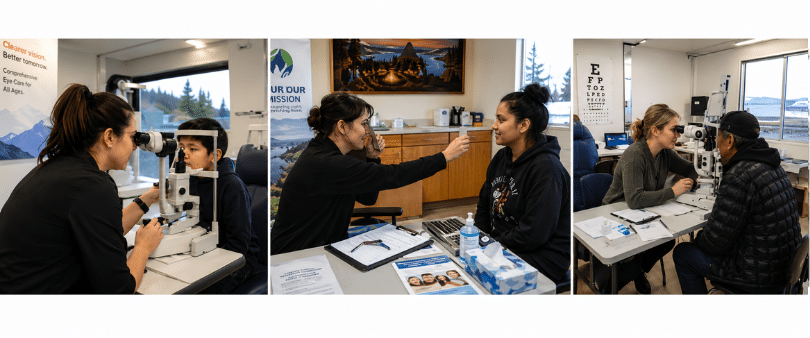
Indigenous Vision Care in Canada

Closing Gaps: Building Better Vision Carefor Indigenous Communities

Discover how improving access, trust, culturally safe care, and early eye examinations can help close gaps in vision care for Indigenous communities in Canada.

Learn More
Optik Sept-Oct 2026 issue Voila Marchon Longchamp LO800

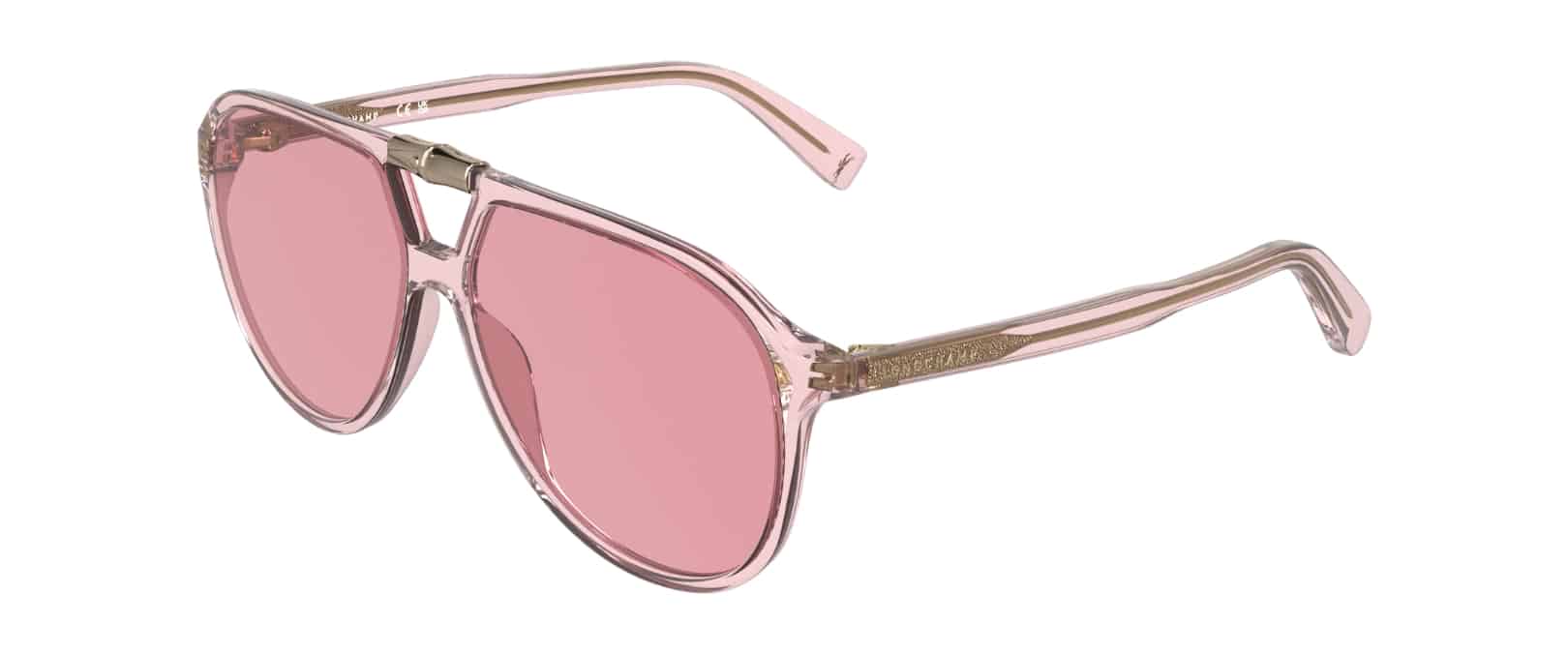
Longchamp: Fresh Transparency, Refined Detail

Inspired by Longchamp’s Roseau line, the LO800S sun frame combines a lightweight teardrop shape, transparent colourways and refined bamboo-style metal detailing.

Read more
Ray-Ban_Meta_Multiple Sept 2026

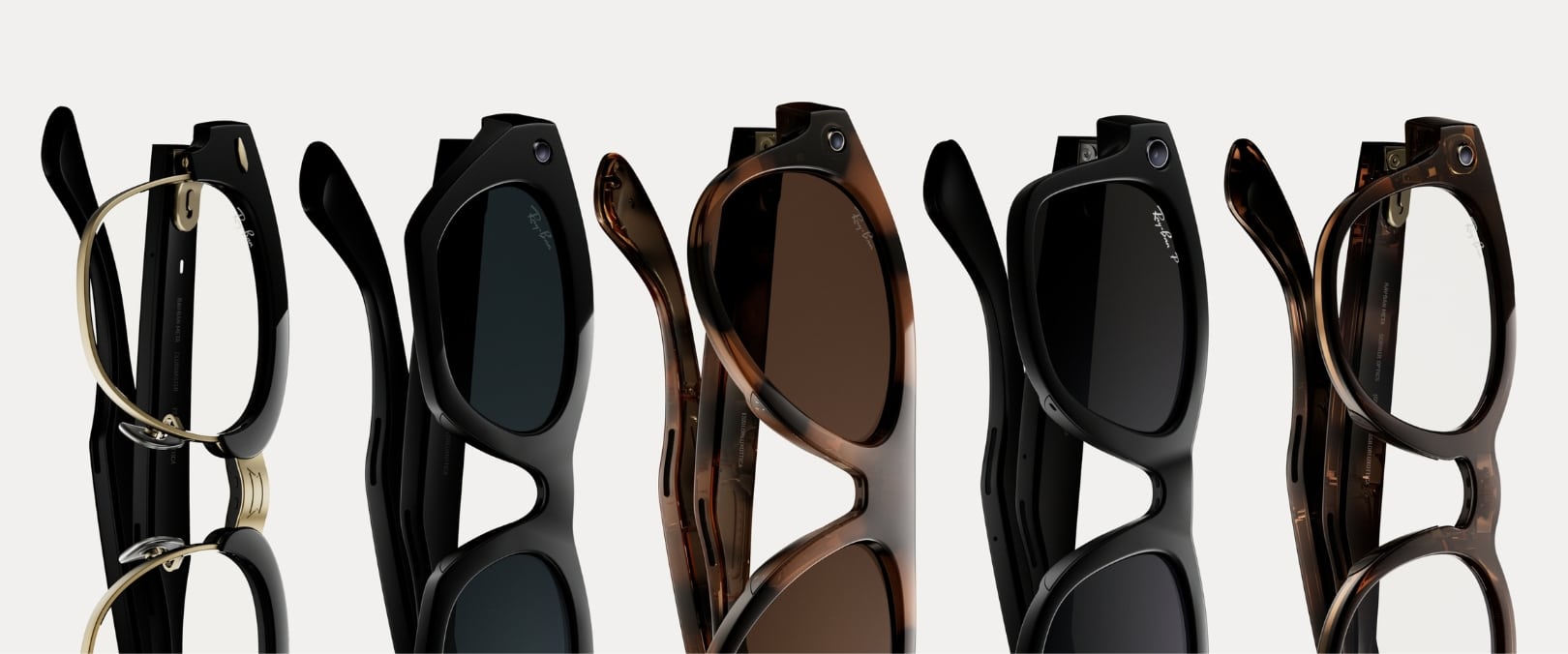
Ray-Ban Meta Expands Portfolio with First Audio‑only AI Glasses and Next‑generation Smart Eyewear

Ray-Ban Meta expands its portfolio with new audio only AI glasses and next generation Gen 3 models, bringing AI, audio and hands free capture to iconic frames.

Read more
Costa San Carlos fishing nets recycling Sept 2026

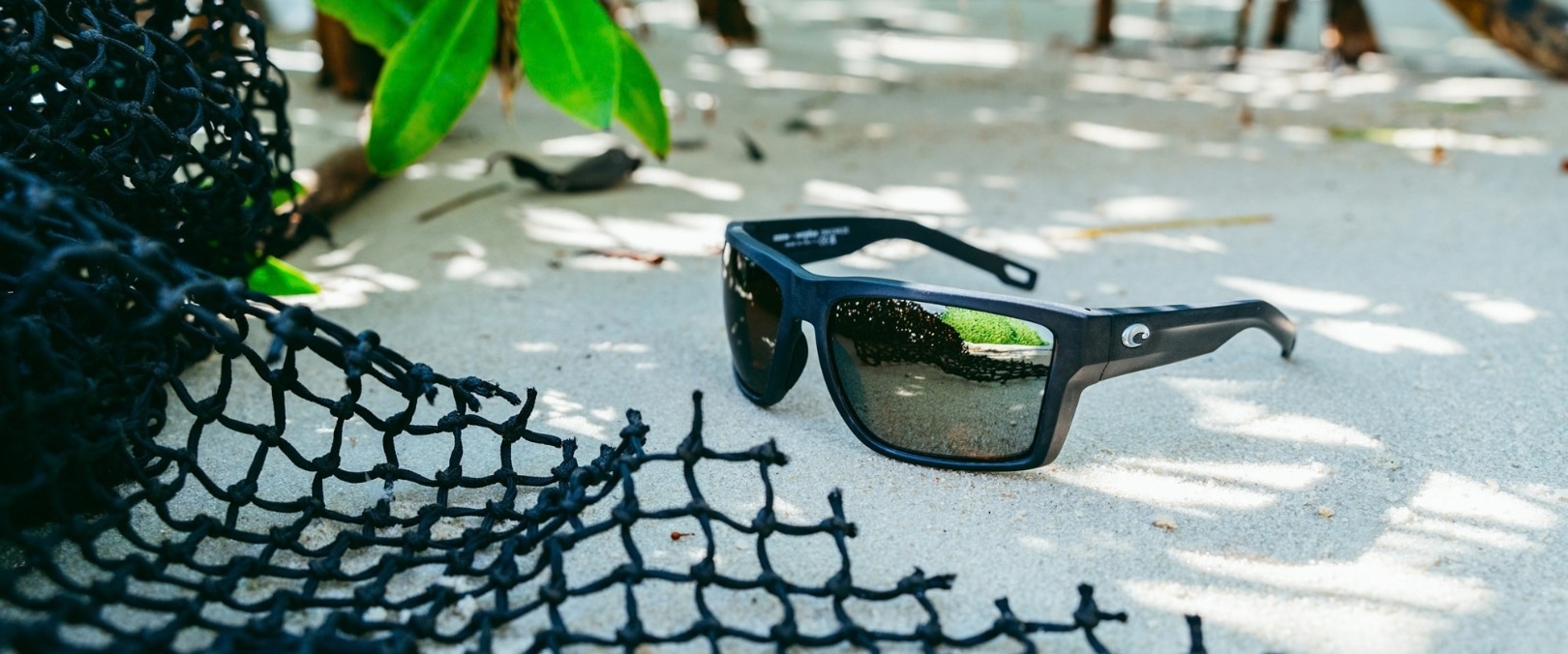
Costa Expands Untangled™ Collection with New Apparel Made from Recycled Fishing Nets

Costa expands its Untangled eyewear collection with new frames made from NetPlus recycled fishing nets, strengthening its commitment to ocean protection.

Read more
First Look London logo 2026

First Look London 2027: A New Stage for Independent Eyewear

First Look London 2027 introduces a curated showcase of independent eyewear brands and new designers, hosted at King’s Cross Town Hall with a world class content programme.

Read more
Indigenous Vision Care in Canada

Closing Gaps: Building Better Vision Carefor Indigenous Communities

Discover how improving access, trust, culturally safe care, and early eye examinations can help close gaps in vision care for Indigenous communities in Canada.

Learn More
Optik Sept-Oct 2026 issue Voila Marchon Longchamp LO800

Longchamp: Fresh Transparency, Refined Detail

Inspired by Longchamp’s Roseau line, the LO800S sun frame combines a lightweight teardrop shape, transparent colourways and refined bamboo-style metal detailing.

Read More
Ray-Ban_Meta_Multiple Sept 2026

Ray-Ban Meta Expands Portfolio with First Audio‑only AI Glasses and Next‑generation Smart Eyewear

Ray-Ban Meta expands its portfolio with new audio only AI glasses and next generation Gen 3 models, bringing AI, audio and hands free capture to iconic frames.

Read More
Costa San Carlos fishing nets recycling Sept 2026

Costa Expands Untangled™ Collection with New Apparel Made from Recycled Fishing Nets

Costa expands its Untangled eyewear collection with new frames made from NetPlus recycled fishing nets, strengthening its commitment to ocean protection.

Read More
First Look London logo 2026

First Look London 2027: A New Stage for Independent Eyewear

First Look London 2027 introduces a curated showcase of independent eyewear brands and new designers, hosted at King’s Cross Town Hall with a world class content programme.

Read More
Indigenous Vision Care in Canada

Closing Gaps: Building Better Vision Carefor Indigenous Communities

Discover how improving access, trust, culturally safe care, and early eye examinations can help close gaps in vision care for Indigenous communities in Canada.

Learn More
Optik Sept-Oct 2026 issue Voila Marchon Longchamp LO800

Longchamp: Fresh Transparency, Refined Detail

Inspired by Longchamp’s Roseau line, the LO800S sun frame combines a lightweight teardrop shape, transparent colourways and refined bamboo-style metal detailing.

Read more
Ray-Ban_Meta_Multiple Sept 2026

Ray-Ban Meta Expands Portfolio with First Audio‑only AI Glasses and Next‑generation Smart Eyewear

Ray-Ban Meta expands its portfolio with new audio only AI glasses and next generation Gen 3 models, bringing AI, audio and hands free capture to iconic frames.

Read more
Costa San Carlos fishing nets recycling Sept 2026

Costa Expands Untangled™ Collection with New Apparel Made from Recycled Fishing Nets

Costa expands its Untangled eyewear collection with new frames made from NetPlus recycled fishing nets, strengthening its commitment to ocean protection.

Read more
First Look London logo 2026

First Look London 2027: A New Stage for Independent Eyewear

First Look London 2027 introduces a curated showcase of independent eyewear brands and new designers, hosted at King’s Cross Town Hall with a world class content programme.

Read more
Indigenous Vision Care in Canada

Closing Gaps: Building Better Vision Carefor Indigenous Communities

Discover how improving access, trust, culturally safe care, and early eye examinations can help close gaps in vision care for Indigenous communities in Canada.

Learn More
Optik Sept-Oct 2026 issue Voila Marchon Longchamp LO800

Longchamp: Fresh Transparency, Refined Detail

Inspired by Longchamp’s Roseau line, the LO800S sun frame combines a lightweight teardrop shape, transparent colourways and refined bamboo-style metal detailing.

Read more
Ray-Ban_Meta_Multiple Sept 2026

Ray-Ban Meta Expands Portfolio with First Audio‑only AI Glasses and Next‑generation Smart Eyewear

Ray-Ban Meta expands its portfolio with new audio only AI glasses and next generation Gen 3 models, bringing AI, audio and hands free capture to iconic frames.

Read more
Costa San Carlos fishing nets recycling Sept 2026

Costa Expands Untangled™ Collection with New Apparel Made from Recycled Fishing Nets

Costa expands its Untangled eyewear collection with new frames made from NetPlus recycled fishing nets, strengthening its commitment to ocean protection.

Read more
First Look London logo 2026

First Look London 2027: A New Stage for Independent Eyewear

First Look London 2027 introduces a curated showcase of independent eyewear brands and new designers, hosted at King’s Cross Town Hall with a world class content programme.

Read more