Co-owned by RX and The Vision Council, Vision Expo brings together every segment of the vision industry, from eyewear designers and manufacturers to eyecare professionals, technology innovators, and business leaders.
In 2026, Vision Expo marks its 40th year, celebrating four decades of industry collaboration, education, and discovery. This milestone edition also represents a major shift: Vision Expo will move to a single annual event, designed to offer greater value, more robust programming, and expanded opportunities for learning and networking.
Vision Expo 2026 will take place March 11–14, 2026, at the Orange County Convention Center in Orlando, Florida, with the exhibit hall opening on March 12.
“Vision Expo’s evolution into a single annual event allows us to create an even more impactful and dynamic experience for all segments of the optical industry,” said Ashley Mills, CEO of The Vision Council. “As we celebrate 40 years of Vision Expo, we’re also looking forward to expanding educational programming, introducing new stages and experiences, and collaborating closely with industry partners to spotlight the trends and technologies shaping the future of eyewear and eyecare.”
New Show Features and Content Stages
Vision Expo 2026 will introduce three new content stages, each dedicated to a core area of industry innovation:
• NOW Stage Located in the eyewear zone, featuring the NOW Awards display, design panels, colour and fashion trend sessions, the Flaunt the Frame fashion show, and the NOW Awards ceremony.
• Innovation Stage Set in the eyecare technology area, highlighting advancements in medical tech, diagnostics, AI, and the return of the VSP Vision Innovation Challenge Awards and pitch competition.
• Vision Stage A larger theatre space dedicated to CE, practice management, business insights, OptiCon programming, and industry summits.
Vision Expo also launched its “Call for NEW”, inviting brands and designers to debut their newest products, technologies, booth activations, and innovations. Submissions will be reviewed by the Vision Expo team, with selected entries receiving custom promotional visibility. Exhibitors can submit directly through the Vision Expo website: https://www.visionexpo.com
Education, Networking, and Industry Connection
More than 200 hours of accredited CE begin March 11, covering:
• Eyewear and frames • Lens and optical technology • Medical and diagnostic equipment • Practice management • Design and retail trends • Digital health
The event also features a full lineup of networking opportunities, receptions, and partner-led events celebrating the creativity and diversity of the optical community.
“At Vision Expo, collaboration is at the heart of everything we do,” Mills added. “We’re proud to partner with the Optical Women’s Association, Vision Monday, United Opticians Association, and Prevent Blindness, bringing together independent designers, retailers, practitioners, and global brands.”
A detailed schedule will be announced in the coming months.
Bausch + Lomb Corporation has announced a significant milestone in its sustainability journey. Through its ONE by ONE Recycling Program, developed in partnership with TerraCycle®, the company has collected more than 691,000 pounds (over 114 million units) of used contact lenses, blister packs, lens cases, and eye care materials in the United States. That’s the equivalent of more than 2.2 million baseballs kept out of landfills and waterways.
“Each America Recycles Day, we celebrate the collective efforts of eye care professionals, patients, and consumers who are helping to properly discard and keep these materials out of the environment,” said Amy Butler, Vice President, Global Environment, Health, Safety and Sustainability, Bausch + Lomb. “Thanks to their commitment, the ONE by ONE Recycling program keeps growing and making a more meaningful impact every year.”
Reducing “Forgotten Waste Streams”
Traditional recycling programs don’t accept these small plastic materials due to their size and composition, meaning they often end up in landfills or water systems. In the U.S., it’s estimated that between six and ten metric tons of contact lenses enter wastewater each year, where they can pollute aquatic environments and affect the food chain.
The ONE by ONE Recycling Program helps mitigate this impact by ensuring these materials are collected and processed responsibly.
“It’s reassuring to know that the everyday eye health materials we use, from contact lenses to lens cases, are being properly recycled through the ONE by ONE Recycling Program,” said Dr. Kriti Bhagat, OD, FAAO. “For my patients and practice, it’s a simple but powerful way we can help make a difference.”
Supporting Vision Care Access
For every qualifying shipment of 10 pounds or more from a registered recycling program participant, Bausch + Lomb donates $1 per pound to Optometry Giving Sight, a global initiative focused on preventing blindness and visual impairment.
In Canada, the company’s Every Contact Counts program has collected more than 70,000 pounds (5.2 million units) of used lenses, blister packs, and foils since its 2019 launch.
Commitment to Sustainability
Bausch + Lomb continues to advance sustainable business practices through measurable environmental goals known as the “FEWW” metrics—Fuel, Energy, Water, and Waste. Each facility worldwide tracks and improves against these key metrics as part of the company’s mission to help people see better to live better.
Learn more about the ONE by ONE program and Bausch + Lomb’s environmental initiatives at www.bausch.com/impact.
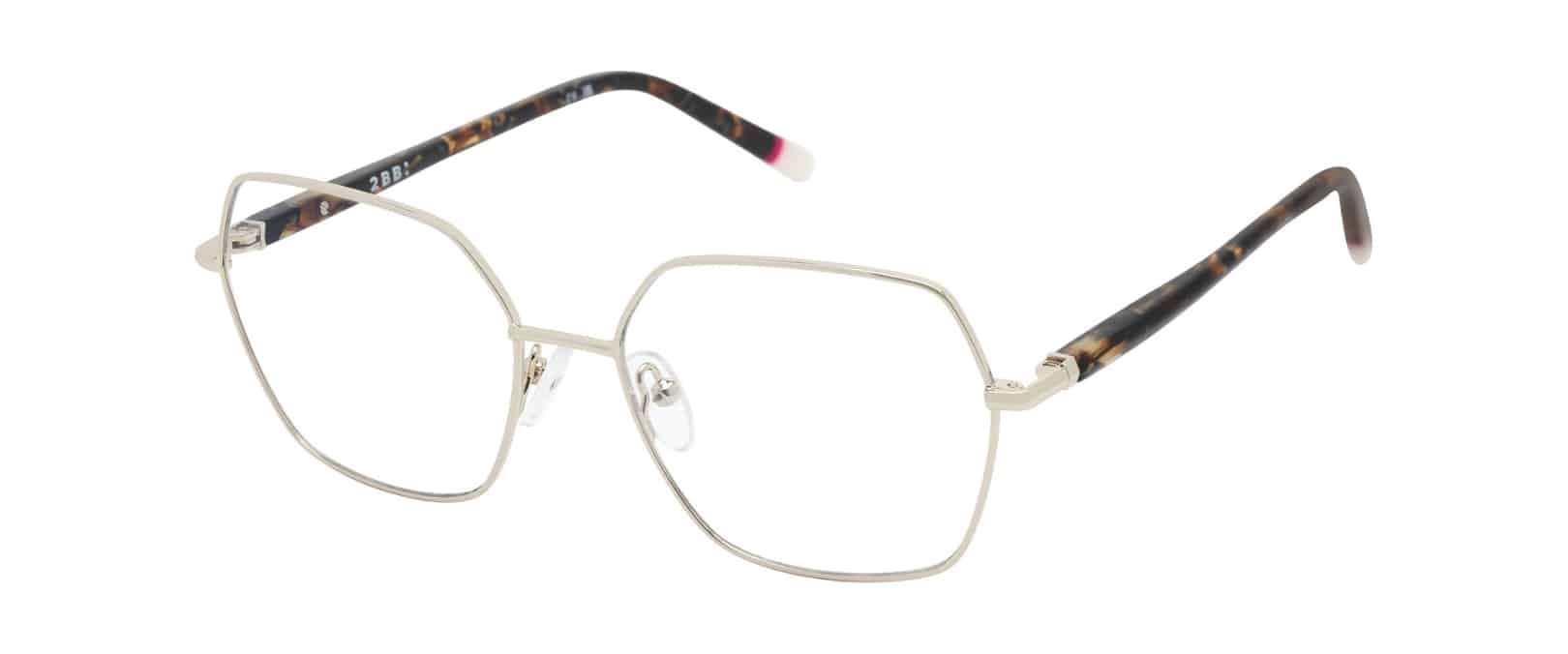
The Jennie is a new release from the Two Blind Brothers collection for Fall. Its flattering geometric shape is now available in three trendy seasonal colours : Gold, Midnight, and Rose Gold. For every frame sold, a donation is made to Fighting Blindness Canada.
Centennial Optical is an independent, Canadian-owned company distributing ophthalmic frames and lenses, sunglasses, lab supplies, cases and accessories, nationally and internationally. Founded in 1967, Centennial sells optical goods and services to Eye Care Professionals (Optometrists, Opticians and Ophthalmologists), optical laboratories and optical retailers. Centennial is fully licensed by Health Canada to sell Class I and Class II medical devices. With corporate headquarters and central distribution located in Toronto, Centennial also has local customer service in Montreal and Vancouver.
Eyewear (Frames)
Centennial Optical began as a distributor of ophthalmic frames, selling its own exclusive brands. Today, in addition to being the Canadian distributor for several international designer brands of eyewear, such as Ann Taylor, BCBG MAXAZRIA, Ben Sherman, Champion, Christian Lacroix, FILA, Hackett, Jones New York, London Fog, Nicole Miller, Paradigm, Psycho Bunny, TLG and Vera Wang, Centennial works closely in developing and bringing to market Canadian fashion icons Alfred Sung, Roots and Beaver Canoe.
Lenses and Lab Supplies
Centennial is the Canadian wholesale distributor for Rodenstock and Kodak Lenses, plus other ophthalmic lenses from Signet Armorlite, Vision Ease, NuPolar and other lenses by Younger Optics, and lens products from a number of other manufacturers. Centennial’s house lens brands, CHOICE and Centoptic, offer customers an exceptional combination of performance and value in a wide selection of materials and treatments. Centennial is also pleased to offer a full range of lab supplies from 3M, BPI, DAC Vision and other suppliers.
Sunwear
Centennial is proud to distribute Serengeti, Bollé, and REVO Sunwear, both plano and Rx, to Canadian ECPs. As the maker of the world’s finest driving sunglass, Serengeti utilizes only the latest technologies and premium materials. Bollé constantly refines their trademark combination of fit, fashion and comfort, for high quality performance and protection. REVO sunglasses blend sleek design, tailored fit and legendary lens protection.
Want to see more like this article? Click here to subscribe to our FREE print magazines and e- newsletters!
In today’s competitive eye care landscape, success requires more than state-of-the-art equipment and skilled professionals. Increasingly, practices are turning outward, connecting with their communities, supporting local causes, and building trust beyond their storefronts. Whether through school visits, fundraising drives, wellness expos, or humanitarian missions, community engagement is proving to be a powerful bridge between purpose and practice.
This article spotlights four organizations,FYidoctors, IRIS, Specsavers,and Optometry Giving Sight, whose passionate initiatives demonstrate how outreach outside the clinic can bring more people through the door and leave a lasting impact on patients and communities alike.
FYidoctors: Turning Personal Loss into Purpose
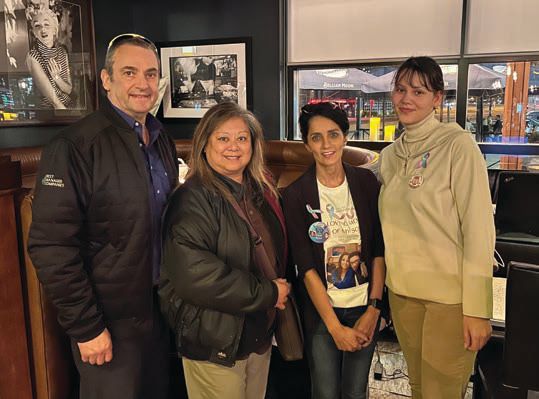
For Satnam Singh, a clinic manager with FYidoctors, community engagement is profoundly personal. Since the loss of her 25-year-old son, Mundip, to suicide in 2021, Singh has devoted herself to raising awareness around mental health, working closely with the Canadian Association for Suicide Prevention. Her efforts have been amplified through FYidoctors’ Enhancing Life Month (ELM), a company-wide initiative that encourages each clinic to give back to the charity of their choice.
Thanks to Singh’s leadership and her clinic’s dedication, over $71,000 has been raised over the past three years, with hopes to surpass $100,000 this year. Fundraising events have included raffles, food drives, and team-building activities, all designed to not only raise funds but foster deeper community connections.
“This is a personal charity to me,” says Singh. “Mental health is more important now than ever. If you step outside your usual safety nets, you’ll notice the growing number of people struggling.”
Through ELM, FYidoctors has created a platform for grassroots-level impact, empowering local clinics across Canada to champion causes that resonate with them. In doing so, they have strengthened their ties to their communities and humanized their brand. For Singh and her team, it’s more than good PR; it’s a mission to heal, to connect, and to serve.
IRIS: Local Action, Global Vision, Humanitarian Eye Care Missions
In Quebec and across Canada, IRIS boutiques rally around the Fondation Charles-Bruneau, which funds pediatric cancer research. On weekly “Jeans Fridays” staff dress casually in exchange for donations, while fundraising raffles, payroll deductions, and active participation in events like the Tour CIBC Charles-Bruneau cycling challenge build morale and community momentum. Many IRIS team members don bike helmets themselves, pedalling for hundreds of kilometres to raise awareness and funds for children fighting cancer.
For over two decades, IRIS has embedded community involvement into its DNA, supporting both local health causes and global humanitarian missions.
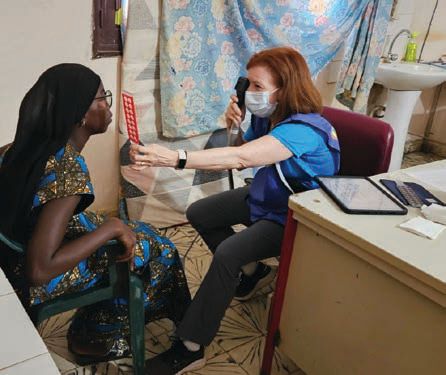
Internationally, IRIS supports IRIS Mundial, a nonprofit that provides visual care in underserved regions. Teams of optometrists, opticians, and volunteers participate in humanitarian missions, delivering free eye exams and prescription eyewear to people who otherwise wouldn’t have access to care. Before these missions, IRIS clinics organize “glasses corvées,” where staff sort, clean, and prep frames destined for communities in need.
Whether at home or abroad, IRIS’s approach reflects a generous spirit and a deeply rooted belief in making vision care a universal right.
Specsavers: Bringing Eye Care Where It’s Needed Most – Local Accessibility
From community centres to housing complexes and hospice kitchens, Specsavers teams across Canada are redefining what it means to serve.
In Barrie, ON, optician Lauri Brown leads an initiative in partnership with Simcoe Family Connexions to provide free monthly exams and glasses to underprivileged youth. The clinic also offers pop-up cleaning and adjustment services at senior residences and affordable housing complexes, bringing essential care directly to those who might struggle with mobility or transportation.
“It’s such a rewarding experience engaging with the residents and assisting them with their needs. Many remember us and look forward to our visits,” Brown shared.
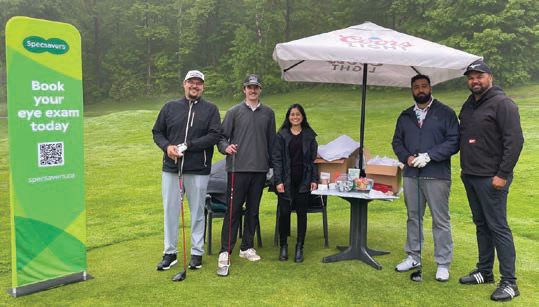
At Specsavers locations in Guelph and Bolton, Ontario, teams have set up booths at multicultural festivals and wellness expos, engaging the public with education, giveaways, and friendly optical advice. In Duncan, BC, staff helped raise funds for the Royal Canadian Marine Search & Rescue, while in Ajax, their participation in a local golf tournament supported the Ajax Pickering Hospital Foundation.
What ties all of these initiatives together is a shared belief: eye care should be accessible, inclusive, and community-rooted. Specsavers teams aren’t waiting for patients to come to them; they’re showing up where people already are.
Optometry Giving Sight: Practice-Led Change on a Global Scale – World Sight Day Challenge Fundraising
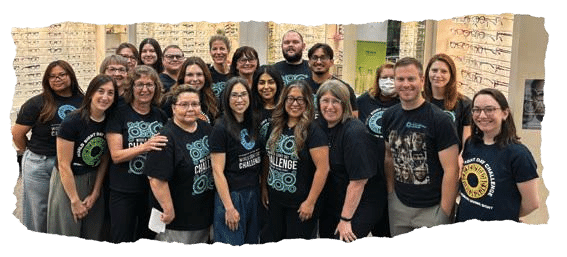
For optometry clinics that want to turn their daily operations into a global force for good, Optometry Giving Sight (OGS) offers the perfect platform. Their flagship annual campaign, the World Sight Day Challenge, invites practices around the world to raise funds for projects that bring sustainable eye care to underserved populations.
In 2024, Henderson Vision Centre in Winnipeg took top honours, raising $11,540 through an inventive mix of events including year-round book sales, “Jeans Days,” patient raffles, and even donation drives tied to glasses adjustments. Staff also donated a full day of eye exam fees to the cause. Their commitment has helped fund vital care around the world and inspired other practices to aim higher.
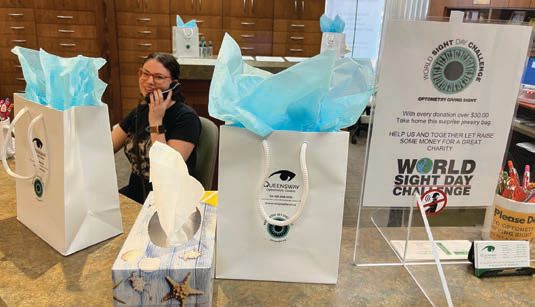
Queensway Optometric Centre in Mississauga raised over $10,000 this year and has contributed more than $135,000 since 2009. Their fundraising methods include bake sales, silent auctions, and creative donation incentives like mystery bags and travel mugs. For the staff at Queensway, the goal was simple: match the doctors’ generous donation of eye exam fees with community-raised funds, and they succeeded.
Meanwhile, North Toronto Vision Care brought in $2,200 through a savvy local campaign that included gift basket raffles, front desk donation prompts, visual fundraising trackers, and strategic social media promotion. Their efforts demonstrate how small teams with big hearts can make a global difference, one dollar at a time.
Through OGS, clinics of all sizes can transform local community goodwill into lasting global impact, bridging practice and purpose in meaningful ways.
Engaging Outside, Growing Within: Benefits of Optometry Community Involvement
From mental health advocacy and youth support to cancer research and global outreach, the initiatives highlighted in this article reveal a powerful truth: community engagement doesn’t just benefit the community; it strengthens the clinic too.
When staff feel connected to a cause, morale rises. When clinics are visible in local spaces, be it seniors’ centres, schools, shelters, or social media, the public takes notice. When patients see their eye care provider as a force for good, they become advocates and not just customers.
To grow, sometimes the best thing a clinic can do is to step outside.
About the Author:
Shan Khan is an optician and educator passionate about advancing eye care and eyewear awareness in Canada.
As Editor-in-Chief of Optik Magazine, she brings a keen industry perspective and a commitment to spotlighting innovation, style, and professionalism across the optical landscape.
Want to see more articles like this? Click here to subscribe to our FREE print magazine and newsletters!
Newly published two-year clinical data in Investigative Ophthalmology & Visual Science (IOVS) confirm that the MyoPro® Defocus Lens continues to slow myopia progression in children over extended wear.
The findings, now indexed on PubMed, provide additional scientific support for defocus-based spectacle lens options as part of long-term myopia management strategies. The results come from a randomized, double-blind clinical trial conducted at Wenzhou Medical University in China, following children over a 24-month period. The study compared MyoPro® lenses with standard single-vision lenses, assessing changes in refractive error and axial elongation.
According to the published data, MyoPro® lenses maintained a consistent myopia-control effect throughout the two years of follow-up without adverse adaptation concerns or reductions in visual acuity.
“This new two-year data provides powerful clinical evidence that MyoPro® continues to deliver measurable, lasting benefits for children with myopia,” said Olive Su, General Manager of East Optical. “It further strengthens our commitment to supporting independent eye care professionals with scientifically proven technology that’s shaping the future of vision care.”
A Closer Look at the Findings
The study reports that MyoPro® lenses slowed myopia progression by 67% on average, including an 81.2% reduction in the 10–12 age group. Axial elongation was reduced by 50% compared with single-vision controls. Importantly, the two-year extension results show that this effect did not diminish over time, addressing a common concern regarding the long-term efficacy of optical interventions.
Participants across a range of baseline prescriptions demonstrated similar patterns of slowed progression, suggesting that the lens design may have applicability across different patient profiles. Researchers also noted that visual performance remained stable, with no indication of compromised acuity or symptoms associated with defocus-based optical designs.
About the Journal and Scientific Credibility
Investigative Ophthalmology & Visual Science (IOVS) is one of the most widely recognized journals in the vision science and clinical eye research community. It is the flagship peer-reviewed publication of the Association for Research in Vision and Ophthalmology (ARVO), the world’s largest eye and vision research organization. ARVO represents more than 10,000 researchers across 75 countries, and studies accepted into IOVS undergo rigorous scientific and methodological review.
Publication in IOVS generally signals that a study meets high standards for clinical evidence, study design, statistical analysis, and relevance to current scientific understanding. For eye care professionals evaluating myopia management options, the inclusion of this trial in such a reputable journal adds meaningful weight to its findings.
Oakley introduces Shield Fusion, a new prescription technology bonded directly to shield lenses, eliminating bulky inserts and delivering high performance vision correction across the Sutro family.
Learn why succession planning for optometry practices should start long before retirement, with cross-training, leadership development, ownership planning, and culture preservation.
DaTE 2026 wrapped up in Napoli with attendance surpassing expectations and strong international growth. The itinerant event now looks ahead to Bologna, where the 2027 edition will take place at Paladozza from 11 to 13 September.
The Accessories Council has announced the 2026 Design Excellence Awards finalists. Public voting across the awards’ accessory categories is open until October 26.
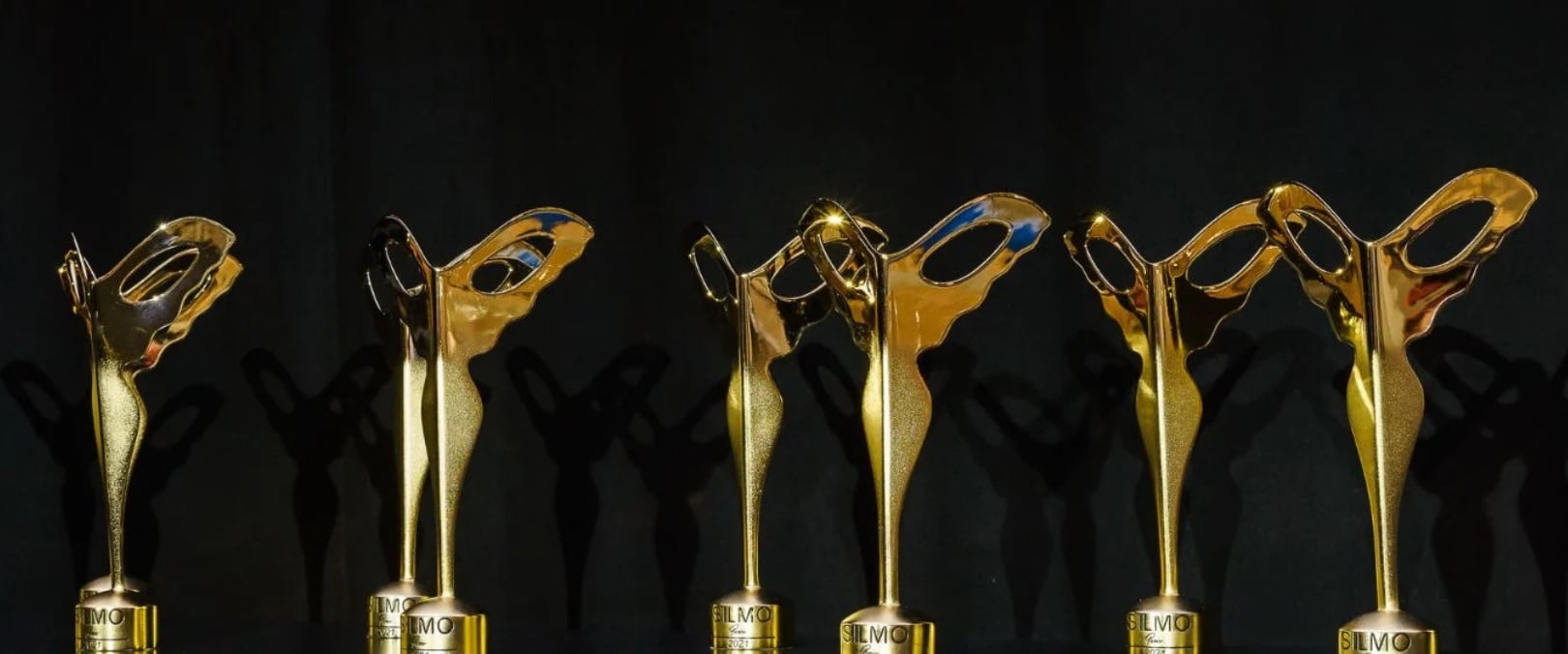
SILMO Paris has announced the nominees for the 2026 SILMO d’Or awards. Approximately 50 exhibitors are competing across 13 categories spanning eyewear, lenses, equipment and technological innovation.
Oakley introduces Shield Fusion, a new prescription technology bonded directly to shield lenses, eliminating bulky inserts and delivering high performance vision correction across the Sutro family.
Learn why succession planning for optometry practices should start long before retirement, with cross-training, leadership development, ownership planning, and culture preservation.
DaTE 2026 wrapped up in Napoli with attendance surpassing expectations and strong international growth. The itinerant event now looks ahead to Bologna, where the 2027 edition will take place at Paladozza from 11 to 13 September.
The Accessories Council has announced the 2026 Design Excellence Awards finalists. Public voting across the awards’ accessory categories is open until October 26.
SILMO Paris has announced the nominees for the 2026 SILMO d’Or awards. Approximately 50 exhibitors are competing across 13 categories spanning eyewear, lenses, equipment and technological innovation.
Oakley introduces Shield Fusion, a new prescription technology bonded directly to shield lenses, eliminating bulky inserts and delivering high performance vision correction across the Sutro family.
Learn why succession planning for optometry practices should start long before retirement, with cross-training, leadership development, ownership planning, and culture preservation.
DaTE 2026 wrapped up in Napoli with attendance surpassing expectations and strong international growth. The itinerant event now looks ahead to Bologna, where the 2027 edition will take place at Paladozza from 11 to 13 September.
The Accessories Council has announced the 2026 Design Excellence Awards finalists. Public voting across the awards’ accessory categories is open until October 26.
SILMO Paris has announced the nominees for the 2026 SILMO d’Or awards. Approximately 50 exhibitors are competing across 13 categories spanning eyewear, lenses, equipment and technological innovation.
Oakley introduces Shield Fusion, a new prescription technology bonded directly to shield lenses, eliminating bulky inserts and delivering high performance vision correction across the Sutro family.
Learn why succession planning for optometry practices should start long before retirement, with cross-training, leadership development, ownership planning, and culture preservation.
DaTE 2026 wrapped up in Napoli with attendance surpassing expectations and strong international growth. The itinerant event now looks ahead to Bologna, where the 2027 edition will take place at Paladozza from 11 to 13 September.
The Accessories Council has announced the 2026 Design Excellence Awards finalists. Public voting across the awards’ accessory categories is open until October 26.
SILMO Paris has announced the nominees for the 2026 SILMO d’Or awards. Approximately 50 exhibitors are competing across 13 categories spanning eyewear, lenses, equipment and technological innovation.