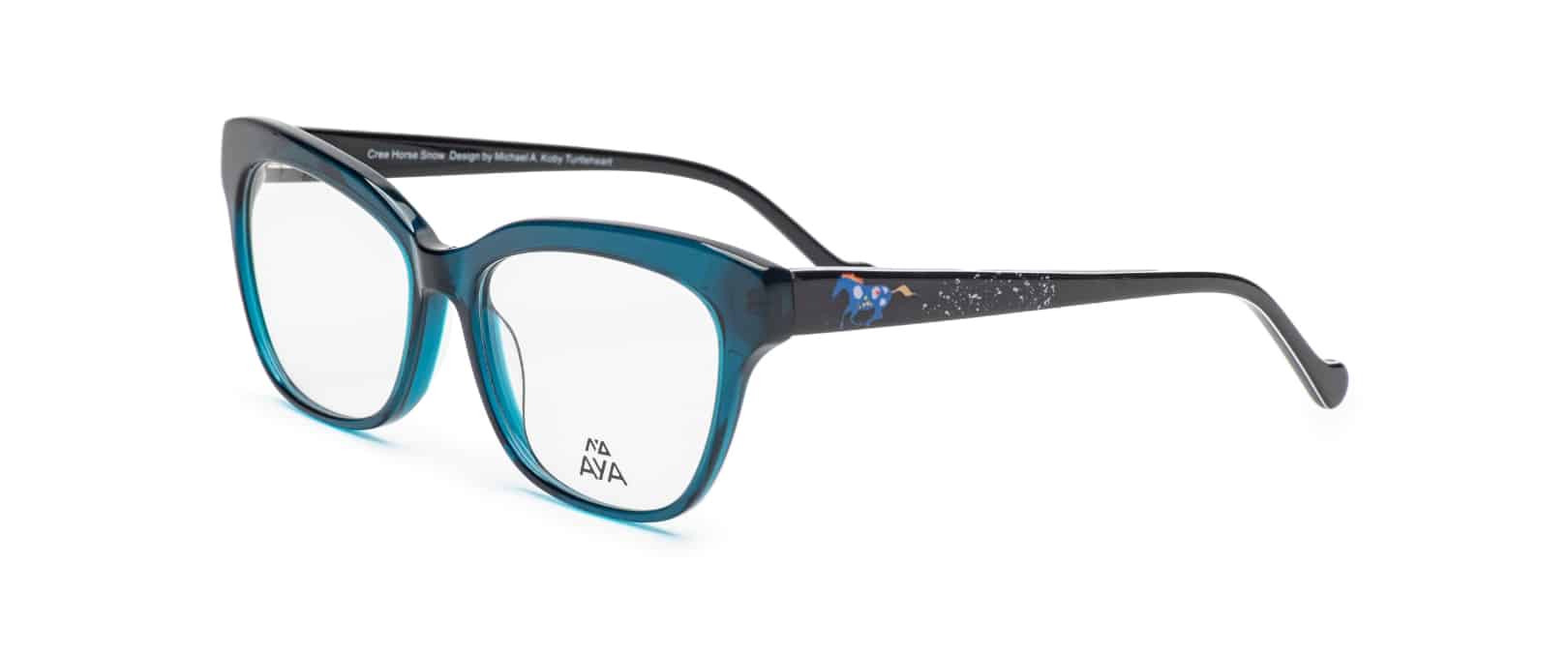
Introducing Pace, the latest eyewear sensation from AYA Optical. With its bold cat-eye style and stunning Cree ‘Horse in snow’ design by artist Michael Koby, Pace is the perfect statement piece for fashion enthusiasts. Available in vibrant purple and teal, it combines style with comfort for an unparalleled eyewear experience. Don’t miss out on this extraordinary frame!
The World Council of Optometry (WCO) announces the recipients of its international awards, which recognize individuals who have made outstanding contributions to advancing optometry around the globe. These awards will be presented during the 4th World Congress of Optometry/O=MEGA 23 in Melbourne, Australia on September 8, 2023.
The WCO Distinguished Service Award in Memory of Dr. Uduak Udom
Scott Mundle
Dr. Scott Mundle, from Winnipeg, Manitoba, has been selected to receive the 2023 Distinguished Service Award in Memory of Dr. Uduak Udom. This award is the highest award that WCO can bestow and is given to an individual who, over time, has made outstanding contributions to the achievement of WCO’s Vision and Mission.
Dr. Mundle has held many leadership roles over his career, including his time as President of the Canadian Association of Optometrists (CAO) from 2002-2004 and President of the World Council of Optometry from 2017-2019. Dr. Mundle currently serves as a Board Member of the International Agency for the Prevention of Blindness, a role he has held since 2021 and currently serves on the Board for the Winnipeg Regional Health Authority.
Dr. Mundle stated, “I am extremely surprised, humbled, yet honoured to be recognized in this manner by the World Council of Optometry, especially for an award named in memory of my colleague and friend Dr. Uduak Udom. As well, to be recognized along with previous recipients and optometric leaders and icons, such as Robert Chappell, my former Waterloo Professor, George Woo and one of my classmate and wife’s mentor, Brien Holden, is truly an honour.”
The Young Leader Award in Memory of Dr. Paul Berman
Ameer Abou Adela
Dr. Ameer Abou Adela, from Lebanon, is the recipient of the Young Leader Award in Memory of Dr. Paul Berman. This award is given to an optometrist who has been in practice for less than 10 years and shows promise as a future leader of the profession as well as contributing to the vision and mission of WCO.
Currently completing his PhD studies in Optometry at KwaZulu Natal University, Dr. Adela founded the Vision Care Association (VCA) in Lebanon, a non-profit non-governmental organization (NGO), in 2017. Dr. Adela currently serves as VCA president. Since its founding, VCA has become a WCO Country Member organization, as well as a member of the Eastern Mediterranean Council of Optometry (EMCO).
He has also been instrumental in VCA launching five VCA advocacy programs—Eyecare, Education, Legislation, Environment, and Research and engaged in three workshops through WCO’s Education Mentor Grant program.
WCO International Optometrist Award
Sajeesh Kumar Kamala Raghavan
Dr. Sajeesh Kumar Kamala Raghavan, from India and the United States, is the recipient of the WCO International Optometrist Award for his extraordinary contributions and commitment to the development of the profession of optometry and vision care globally.
A tenured associate professor at the University of Tennessee Health Science Center, Dr. Kumar has worked as an optometrist in several countries across the globe and authored seven books in health sciences and informatics. His innovative use of informatics technology has had an influence on optometric education. His work in optometry informatics and tele-optometry services has also revolutionized the delivery of eye care services, particularly in traditionally underserved communities.
Dr. Kumar stated, “I extend my heartfelt gratitude to WCO for acknowledging my global efforts in advancing optometry through informatics. This recognition strengthens my resolve to shape a technologically vibrant future for eye care on a global scale.”
Memorial Lecture in Honor of Ms. Karen Sparrow, 9 September 2023
Priya Morjaria
Dr. Priya Morjaria was chosen as the inaugural speaker for the Memorial Lecture in Honour of Ms. Karen Sparrow. Ms. Sparrow was a public health optometrist who tirelessly worked to address the needs of populations that were often unable to advocate for themselves and in areas where eye care was sorely lacking. Ms. Sparrow, a longtime WCO volunteer, shared her spirit, passion, and dedication to public health optometry in a way that epitomized the mission of WCO.
A friend and colleague of Ms. Sparrow, Dr. Morjaria shares her late friend’s passion for public health and has worked with several eye care international non-governmental organizations (INGOs) in low- and middle-income settings. Dr. Morjaria is the co-chair for the School Eye Health Working Group at the International Agency for the Prevention of Blindness (IAPB) and currently serves on the WCO Board of Directors as the Public Health Committee Chair.
Those attending the O=MEGA23/WCO4 in September are encouraged to attend this lecture on Saturday, 9 September 2023 (3:30 p.m. local time) at the Plenary Room, Melbourne Convention and Exhibition Centre.
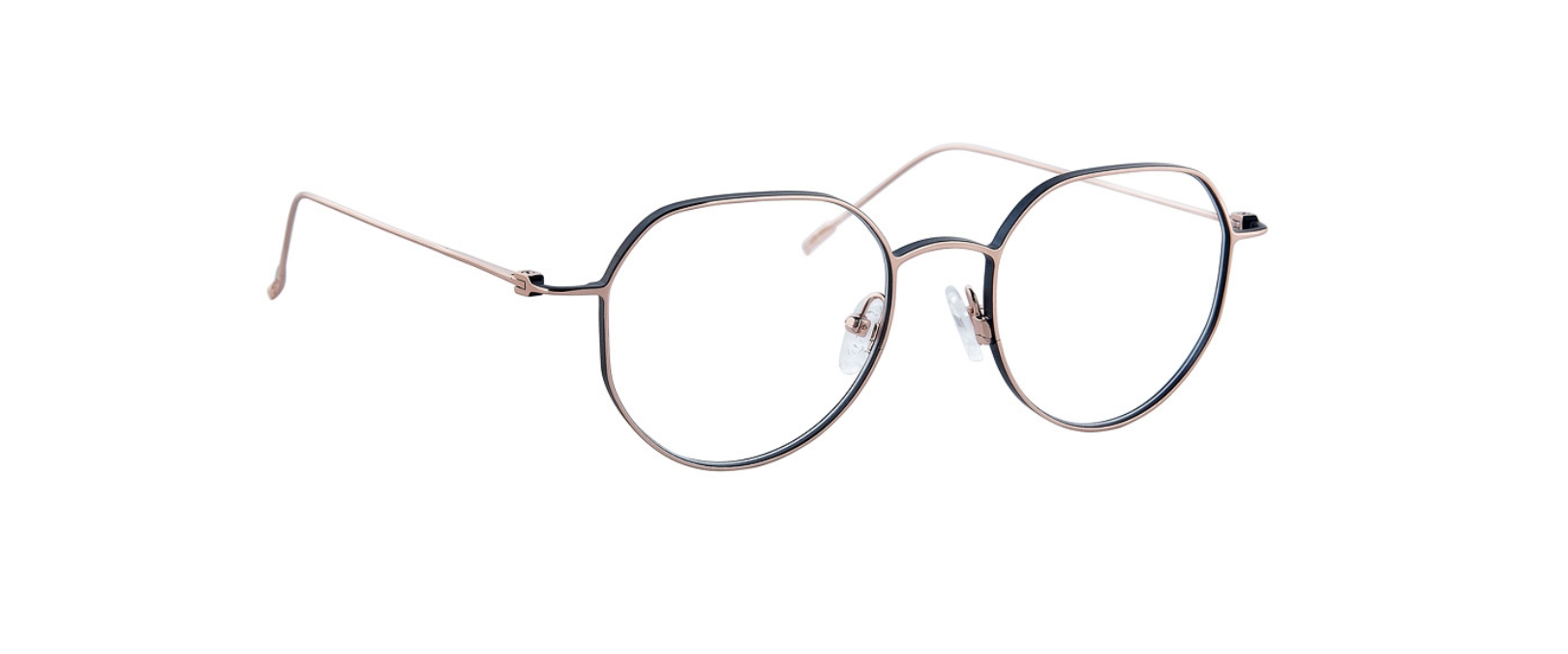
Strak Amsterdam is the will to egress from the traditional eyewear landscape towards a more innovative, contemporary and uninterrupted sleek design process. The resulting eyewear collection is defined by frame fronts crafted from a single plate of Japanese titanium mated to temples formed from a single rod of Beta-titanium.
Myopia Profile announced the launch of its redesigned website, www.myopiaprofile.com. The updated platform introduces an array of innovative features and expanded functionalities, curated to streamline and elevate the myopia management learning experience. In addition, two new features will further support ECPs by providing more in-depth product information and an advanced search functionality.
“The new website represents a significant step forward in our commitment to providing ECPs with essential resources for effective myopia management,” said Dr. Paul Gifford, co-founder of Myopia Profile. “A seamless user experience empowers the eye care community through a wealth of resources and insights that ultimately translate into better patient outcomes.”
Introducing the Myopia Control Product Compendium
The revamped site includes a new Myopia Control Product Compendium (www.myopiaprofile.com/products), which combines articles, case studies, and science reviews with tailored information on products for myopia control. This world-first resource empowers ECPs to understand the available options, their effectiveness, and how to best prescribe them for patients’ unique needs. Each product listing within the Compendium includes direct links to specific topical articles, along with a collection of prescribing resources provided by the respective companies.
Enhanced Knowledge Centre with Advanced Search Capabilities
Another new addition is a user-friendly, powerful Knowledge Centre with enhanced search capabilities. ECPs can now effortlessly search this more than 500-piece encyclopedic volume of information for both clinical (www.myopiaprofile.com/articles/category/clinical) and science articles (www.myopiaprofile.com/articles/category/science). Open-field search provides instant access to sought-after knowledge. Guided search options are also available, where ECPs can explore by article type or choose from 22 curated topic headings.
The new website launch comes just ahead of Myopia Profile’s first annual Myopia Action Month, scheduled to begin in September 2023.
Myopia has recently been classified as a public health epidemic by the World Health Organization (WHO) and recognized as the leading cause of visual impairment. Myopic eyes are associated with increased incidence of ocular complications, with high myopes being more susceptible to conditions such as glaucoma, cataract, and retinal detachment.
Although a natural variant of refractive error, myopia’s recent increased pervasiveness can be attributed to the changes in culture and modern-day life. Growing evidence from recent studies suggest greater near activity to be a risk factor in myopia onset and progression in childhood, whereas greater time spent outdoors was found as a protective factor.
Studies suggest young individuals around 6 to 7 years of age show the greatest changes in refractive error and axial length elongation of the eye. Of this age group females progressed quicker than males, while those with two myopic parents progressed the quickest. A reduction in myopia of just 1D may provide up to a 40% reduction in the risk of developing myopic maculopathy disorders later in life.
The Theory Behind Device Design
Despite decades of study and research, a complete explanation to the mystery of myopic development continues to elude us. Animal primate models strongly support the peripheral hyperopic blur theory, which has shown hyperopic induced blur in the peripheral retina promotes axial length elongation, while myopic induced blur signals a halting to the process. Although this theory is far from universally accepted, and likely only part of the multifactorial influences in myopia onset and progression, most myopia management tools available today incorporate design aspects based on this theory.
With respect to ophthalmic devices, contact lenses used for myopia management may be the most effective means of mitigation, providing the greatest mean reduction in progression over the longest period. This finding is likely due to the relative area of peripheral retina exposed to myopic blur from each modality, being greater with contact lenses and more limited with spectacles.
Ortho-k Lenses: Underutilized Potential
In terms of contact lens options, orthokeratology (ortho-k) has been considered the mainstay of the modality. Yet, despite the efficacy of ortho-k fits, the lenses have never gained the mainstream popularity and use one may have assumed. From a practitioner perspective, this may be due to the time and cost associated with the fitting process, the skill required in RGP fits and the investment in specialized equipment, like a corneal topographer or OCT technology, necessary for corneal monitoring. Passing these costs on to the patient may also be difficult in certain demographics. From the patient perspective, comfort may be an issue if the lens is fit poorly. Additionally, the multiple follow up visits, to ensure proper corneal positioning may be problematic for some patients. Regardless of the reasons behind orthokeratology’s ill adoption, it remains an effective tool in myopia management and mitigation.
Both ortho-k lenses and soft contact lenses for myopia management create myopic peripheral blur while providing clear central vision. In the case of myopia management lenses, like predecessor multifocal lenses, dual zones of focus limit hyperopic peripheral blur and can be designed to produce myopic blur in the periphery while leaving accommodation unaffected.
Advantages of Soft Contact Lenses
Soft contact lenses have found greater acceptance by both patients and practitioners and provide an excellent entry point for myopia management as they are generally easier to fit and more easily adapted to. Unlike ortho-k lenses, soft contact lenses do not manipulate the corneal surface and therefore a corneal topographer is not required. Although monitoring changes in refractive error may be sufficient in limiting myopic progression when utilizing soft contact lenses, A-scan ultrasound measurement of the eye’s axial length provides a more definitive measure of lens efficacy in myopia mitigation.
Due to the customizability of ortho-k lenses to influence specific areas of the peripheral retina, they remain the best, yet an underutilized modality in myopia management. Applications to astigmatic correction and potential myopia reversal must be further investigated with respect to ortho-k lenses. These are currently being addressed in studies. The introduction of soft contact lenses for myopia management by the large contact lens manufacturer CooperVision, is a promising sign that this troubling trend has finally been recognized.
The evolution of contact lenses in myopia management appears to have a bright future. Novel extended depth of focus (EDOF) lenses, soft radial refractive gradient (SRRG) lenses and concept in-vitro release of anti-muscarinic drugs from a soft contact lens are all being investigated, yielding encouraging results.
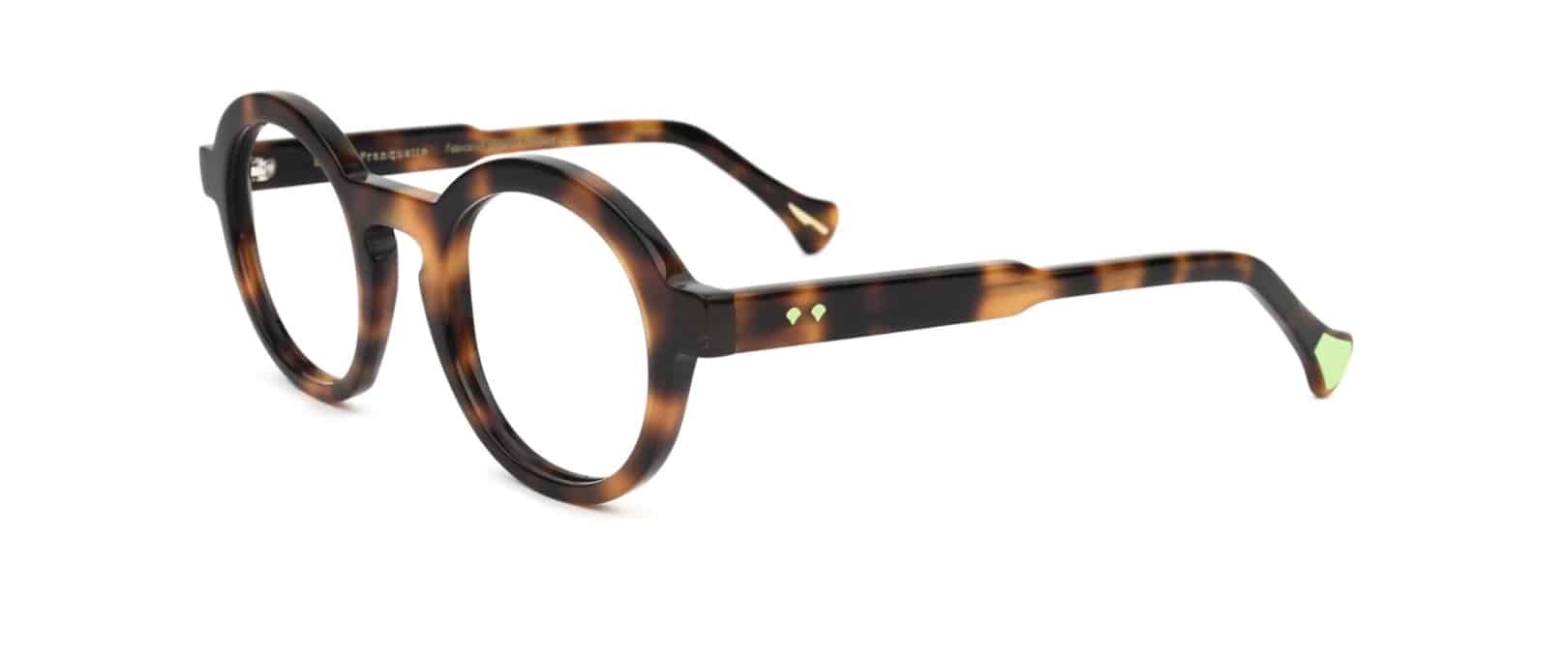
Created with French chef Mathieu Pérou, Silure de Loire pairs a round acetate silhouette with tortoise tones, subtle green accents and resin details inspired by fish scales.
The Students of Vision Scholarship Program, presented by Transitions Optical and the Opticians Association of Canada, challenges future eye care professionals to develop a creative initiative that helps young adults better understand the impact of light on visual comfort, performance and everyday life. Top submissions will receive scholarships and smart eyewear equipped with Transitions lenses.
A new Vision Council report shows most adults with digital eye strain symptoms never seek care, underscoring the importance of eyecare providers in guiding patients.
Applications are now open for the MIDO AWARDS 2027, including the CSE Award, CSE Corporate Award and Best Store Award, recognizing sustainability, innovation and excellence across the global optical industry.
Kevin rode four miles to a Healing California Pop-Up Vision Clinic supported by OGS, where he received a full exam and prescription bifocals at no cost—improving his safety, independence, and quality of life.
Created with French chef Mathieu Pérou, Silure de Loire pairs a round acetate silhouette with tortoise tones, subtle green accents and resin details inspired by fish scales.
The Students of Vision Scholarship Program, presented by Transitions Optical and the Opticians Association of Canada, challenges future eye care professionals to develop a creative initiative that helps young adults better understand the impact of light on visual comfort, performance and everyday life. Top submissions will receive scholarships and smart eyewear equipped with Transitions lenses.
A new Vision Council report shows most adults with digital eye strain symptoms never seek care, underscoring the importance of eyecare providers in guiding patients.
Applications are now open for the MIDO AWARDS 2027, including the CSE Award, CSE Corporate Award and Best Store Award, recognizing sustainability, innovation and excellence across the global optical industry.
Kevin rode four miles to a Healing California Pop-Up Vision Clinic supported by OGS, where he received a full exam and prescription bifocals at no cost—improving his safety, independence, and quality of life.
Created with French chef Mathieu Pérou, Silure de Loire pairs a round acetate silhouette with tortoise tones, subtle green accents and resin details inspired by fish scales.
The Students of Vision Scholarship Program, presented by Transitions Optical and the Opticians Association of Canada, challenges future eye care professionals to develop a creative initiative that helps young adults better understand the impact of light on visual comfort, performance and everyday life. Top submissions will receive scholarships and smart eyewear equipped with Transitions lenses.
A new Vision Council report shows most adults with digital eye strain symptoms never seek care, underscoring the importance of eyecare providers in guiding patients.
Applications are now open for the MIDO AWARDS 2027, including the CSE Award, CSE Corporate Award and Best Store Award, recognizing sustainability, innovation and excellence across the global optical industry.
Kevin rode four miles to a Healing California Pop-Up Vision Clinic supported by OGS, where he received a full exam and prescription bifocals at no cost—improving his safety, independence, and quality of life.
Created with French chef Mathieu Pérou, Silure de Loire pairs a round acetate silhouette with tortoise tones, subtle green accents and resin details inspired by fish scales.
The Students of Vision Scholarship Program, presented by Transitions Optical and the Opticians Association of Canada, challenges future eye care professionals to develop a creative initiative that helps young adults better understand the impact of light on visual comfort, performance and everyday life. Top submissions will receive scholarships and smart eyewear equipped with Transitions lenses.
A new Vision Council report shows most adults with digital eye strain symptoms never seek care, underscoring the importance of eyecare providers in guiding patients.
Applications are now open for the MIDO AWARDS 2027, including the CSE Award, CSE Corporate Award and Best Store Award, recognizing sustainability, innovation and excellence across the global optical industry.
Kevin rode four miles to a Healing California Pop-Up Vision Clinic supported by OGS, where he received a full exam and prescription bifocals at no cost—improving his safety, independence, and quality of life.