CooperVision recently hosted an Innovation Tour for 20 eye care professionals from across Canada at its state-of-the-art, LEED® certified manufacturing facility located in San José, Costa Rica. The three-day event was part of the company’s Canadian launch of its new clariti® 1 day multifocal 3 Add contact lenses.
Attendees were provided a behind-the-scenes look into the innovative design and manufacturing of CooperVision’s full family of clariti 1 day contact lenses, heard unique insights into the lives of today’s patients with presbyopia, and learned more about the company’s leadership in sustainability. The group also had the opportunity to participate in the planting of 75 trees in the lush forests of Costa Rica in partnership with Fundecor, a reforestation organization.
“I feel good knowing that when I prescribe clariti 1 day multifocal 3 Add contact lenses, I’m providing my patients with improved vision at all distances and freedom from reading glasses, while also doing my part in making a positive impact on the environment.”
Pamela Schmitz, OD, Whitby Vision Care in Ontario
Beth Lennox, OD, returned to her Ontario practice, Cambridge Eye Care, feeling empowered to educate both her team and her patients about CooperVision contact lenses and sustainability. “It was incredible to see sustainable manufacturing and operations firsthand and learn how CooperVision is finding innovative ways to ‘go green’ for the benefit of not only our patients, but the planet.”
The Centre for Eye and Vision Research (CEVR) and SCOPE Health Inc. have announced the signing of a Memorandum of Understanding (MoU) to establish a collaborative partnership focused on developing innovative technologies for dry eye disease and other ocular surface conditions. By leveraging SCOPE’s knowledge and expertise in eye drop product formulation science, together with CEVR’s extensive experience in ocular drug discovery and delivery translational research, the pair are committed to developing innovative product approaches for doctor and patient unmet ocular surface disease needs.
Professor Ben Thompson, CEO and scientific director of CEVR, remarked, “We are thrilled to collaborate with SCOPE Health Inc., a leading innovator in management solutions for ocular surface diseases. Through this collaboration and SCOPE’s ardent support, engagement in areas such as dry eye management at the practice level and global outreach will increase substantially to deliver tangible change. The research results will advance CEVR’s mission to develop technologies that preserve and enhance vision worldwide. This partnership merges cutting-edge science with formulation and commercialization expertise, paving the way for a transformative solution to support developing technologies that preserve and enhance healthy vision worldwide.”
“Disrupting the status quo and establishing a new standard of care for ocular surface diseases requires collective efforts. Under the leadership of CEVR’s Principal Investigators, Prof. Lyndon Jones, and Dr. Chau-Minh Phan, along with Dr. Howard Ketelson, head of Ideation & Discovery at SCOPE, this collaboration collectively harnesses our expertise’s to develop and commercialize differentiated and clinically valued eyecare products.”
“Independently, these Open Access papers each deepen knowledge of our innovative technology among the global ophthalmology and optometry communities. Collectively, they are providing eye care professionals with even more confidence in our approach and the impact that DOT lenses can have on children’s lives today and in the future.”
Marcella McParland, BSc, MCOptom, FAAO, FIACLE, FBCLA, vice president of Clinical, Medical & Professional Affairs, SightGlass Vision
In addition to supporting the hypothesis that a slight lowering of retinal contrast can slow the progression of myopia, the clinical trial is first multicenter study to demonstrate myopia control in an ethnically diverse population with children as young as age six. This outcome in younger patients is noteworthy, due to their fast physiological and myopic eye growth.
Published in Ophthalmic & Physiological Optics, the journal of The College of Optometrists, “Visual Impact of Diffusion Optic Technology Lenses for Myopia Control”affirms that the SightGlass Vision mechanism provides a clinically equivalent visual experience to standard single vision lenses across key measures.[2] The study at six U.S. sites was led by Professor James S. Wolffsohn, chief scientific officer for the International Myopia Institute and head of the Aston University School of Optometry.
Wolffsohn and his co-authors emphasized that DOT lenses provided a clinically equivalent visual experience to standard single vision lenses and did not compromise reading speed, critical print size, and near visual acuity; maintained normal head posture and contrast sensitivities; and demonstrated excellent high- and low-contrast visual acuities and stereopsis.
Written by noted vision scientists and researchers Drs. Jay Neitz and Maureen Neitz, “Diffusion Optics Technology (DOT): A Myopia Control Spectacle Lens Based on Contrast Theory” presents an in-depth review of the science behind DOT’s innovative methodology.[3] Appearing in Translational Vision Science & Technology, the paper explores the fundamentals of contrast theory, how it compares to blur and defocus approaches, and the resulting implications for the design of optical interventions.
SightGlass Vision’s patent-protected technology has made its commercial debut in several markets, including China, the Netherlands, Israel, and Canada, as well as through preliminary market trials in other countries. The company operates as a joint venture of CooperCompanies and EssilorLuxottica. For more information, visit SightGlassVision.com.
Want to see more like this article? Click here to subscribe to our FREE print magazines and e-newsletters!
References
[1] Laughton D, et al. Control of myopia using diffusion optics spectacle lenses: 4-year results of a multicentre randomised controlled, efficacy and safety study (CYPRESS). BMJ Open Ophthalmology 2024;9:e001790.
[2] Wolffsohn JS, Hill JS, Hunt C, Young G. Visual impact of diffusion optic technology lenses for myopia control. Ophthalmic Physiol Opt. 2024; 44: 1398–1406.
[3] Neitz J, Neitz M. Diffusion Optics Technology (DOT): A Myopia Control Spectacle Lens Based on Contrast Theory. Trans. Vis. Sci. Tech. 2024;13(10):42.
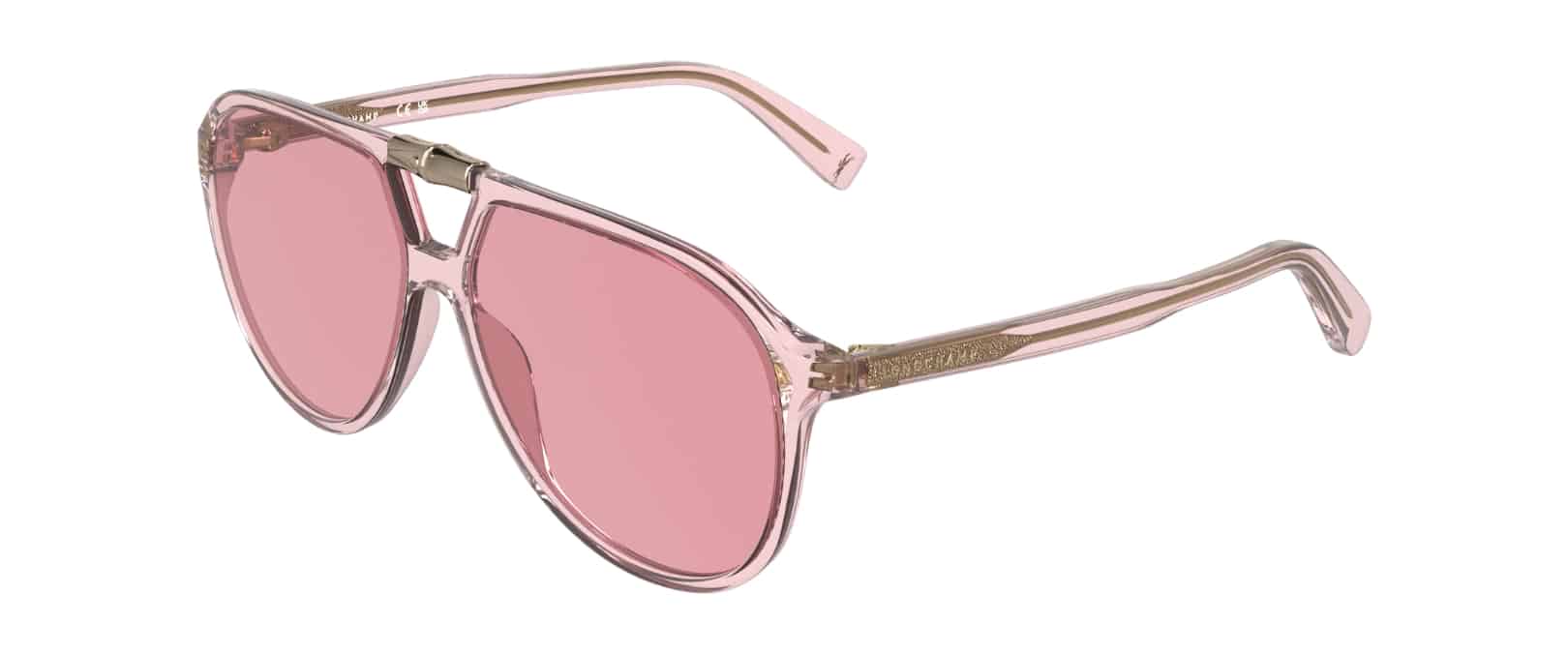
Visibilia, one of the leading European players in the eyewear market, and Kappa®, the iconic Italian sportswear brand renowned for its athletic heritage and contemporary style, have announced an exclusive licensing agreement for the design, production, and distribution of Kappa® eyewear.
The agreement will come into effect in the second half of 2025 and will remain valid until December 2030. The first Kappa® eyewear collections by Visibilia, comprising optical frames and sunglasses, will debut in August 2025, with deliveries scheduled for the fourth quarter of 2025.
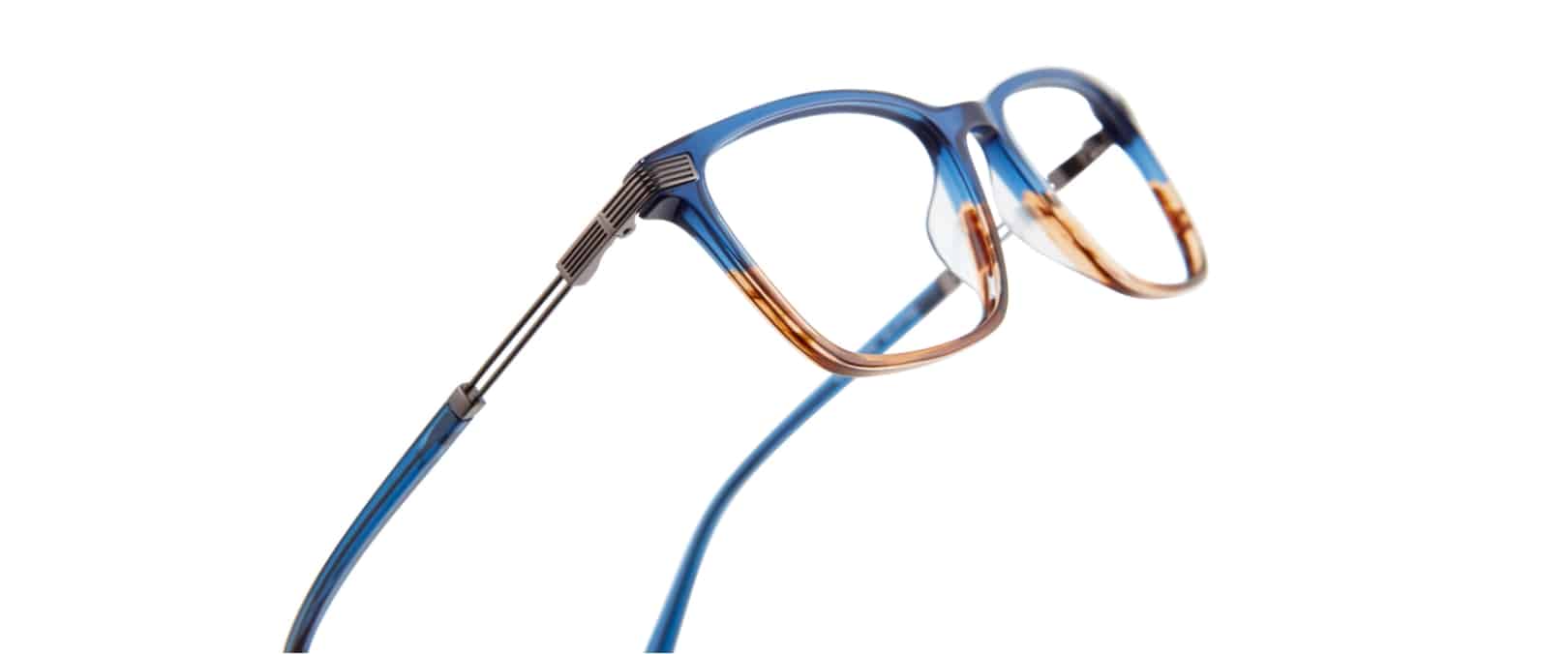
These collections, reflecting Kappa®’s distinctive aesthetic, are designed for men, women, and young people. They will comprehensively address themes of basic, urban, and sportswear, with a detailed focus on the specific needs of the optical market.
The expertise of both companies in their respective fields, combined with a strong commitment to service, product excellence, and Italian design, forms the foundation for an innovative, forward-thinking, and long-term international collaboration. This partnership is further strengthened by Kappa®’s exceptional marketing experience and its clear focus on impactful communication.
“We are thrilled to launch this collaboration with Kappa®, a brand we have long admired for its unique heritage and strong brand identity. Together, our goal is to open a new chapter for this iconic brand in the optical sector, supporting our growth in key markets and expanding our international presence.”
Ralf Kmoch, Managing Director, Visibilia
“The eyewear sector represents a natural extension of our brand, and with this exclusive license with Visibilia – a trusted leader in the industry – we are confident that Kappa® will continue to grow and solidify its position in the optical market, always staying true to our sports heritage and distinctive style.”
Alessandro Boglione, Executive Vice President of BasicNet and President of Kappa®
I have grown up incredibly lucky. I have always had access to the healthcare that I needed. I lived in a big city, both of my parents drove their own cars, and we had the means to pay for healthcare services. While I was aware that there were areas of the world that struggled, I was fortunate enough not to even be exposed to them, while I was growing up. That all changed during my time in optometry school. Two pivotal experiences during my optometry training—in rural British Columbia and Malawi, Africa—opened my eyes to the immense challenges faced by underserved communities in accessing eye care. These moments not only reshaped my perspective but ignited a lifelong passion to work toward closing these gaps.
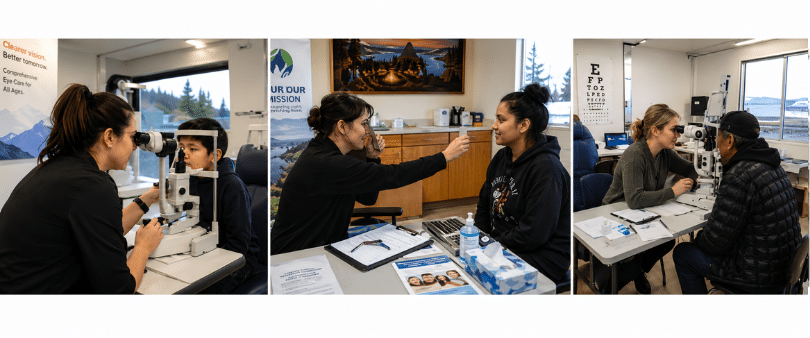
My most recent experience was during my last placement of my fourth year. I was working at FYiDoctors Smithers in rural BC. My favourite days working at the clinic were our outreach days, two days spent in smaller townships about an hour’s drive from Smithers providing full scope eye exams in elementary schools. We were well equipped to do full refractions and fundus exams. But my first experience with optometry outside the clinic did not have as many tools. In the summer after my second year of optometry school, I had the opportunity to go on a VOSH trip to Malawi. I learned a lot about doing screenings and providing eye care in unconventional settings. And my retinoscopy improved so much! How could it not, when I was doing ret up to a hundred times a day? And while that in and of itself was hard, there were many challenges to be overcome when performing those screenings and exams. Although my time in Malawi and rural British Columbia occurred in vastly different parts of the world, the challenges felt strikingly similar—language barriers, limited resources, and the immense need for basic eye care.
Dr. Shannon Huges in MalawiDr. Shannon Hughes in Malawi
Language
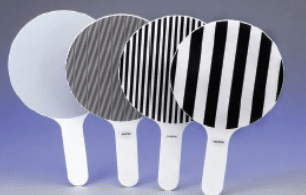
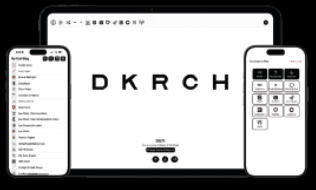
On a day to day basis we all deal with the language barrier that is healthcare lingo. We have to be able to explain terms like “astigmatism” and “diabetic retinopathy” to patients using layman’s terms that they can understand. But when you don’t speak the same basic language to begin with, it’s hard enough just to ask the patient to look in one direction while you do a quick cover test. In Malawi, we used a tumbling E chart to evaluate visual acuity. Although our alphabets were similar, our sounds and words were not, so patients identified the orientation of the letter E at different sizes. We also learned basic phrases in their language, though I’m sure our pronunciation left something to be desired. In the case of outreach days in BC, the level of education of some of the children was not where one might expect it to be, so it was difficult to even get basic information such as visual acuities. Luckily I was able to apply my knowledge from Malawi to use simpler visual acuity charts and my greatly improved retinoscopy skills to get a better idea of the children’s visual needs. In both cases, objective testing becomes extremely important, which is especially difficult when you have only been doing it for a year and a half and you don’t quite trust yourself yet.
Resources
Another barrier is the actual access to necessary services and products. It’s all well and good to determine that a patient needs glasses. But the next step – what frames and lenses are in their price range? Where will the glasses come from? How will the glasses get to the patient? These are important steps that are not discussed in school. We learn to prescribe the best possible care for our patients, which works well in a more affluent setting. But what do you do when your patient doesn’t have a way to get to the optical dispensary to choose a frame or even to have their measurements taken for glasses? In BC, we brought a few simple frames with us for the kids to try on, and were able to take measurements in person. The spectacles were then ordered from the lab and shipped to the school, which made them more accessible for the students. On the other hand, donated glasses were a huge blessing in Malawi. As a project in optometry school, we used our new skills with a lensometer to determine the prescription in donated lenses. We packed a suitcase with those glasses and tons of low add over the counter readers, which allowed us to easily prescribe low plus for children and reading glasses for adults, as well as a few more specific prescriptions.
Continued care
More than just spectacles, there are certain conditions that we identify that need care from a family doctor or a specialist. Diabetic retinopathy should be monitored by a general practitioner. Strabismus might require vision therapy or even surgery. And cataracts need to be removed by an ophthalmologist. In Canada, it is becoming increasingly difficult to find a family doctor. And in Malawi, it was even more rare. When we encountered children with VKC, we wrote steroid prescriptions on scrap paper and hoped that our translators explained clearly that they should take them to a pharmacy. It is that follow up to care which becomes difficult in these situations. In Smithers, the closest ophthalmologist was several hours away. With further barriers such as transportation, these cases become more difficult to manage. This is where the importance of being able to prescribe medications and do minor procedures becomes really evident. Rural optometry practice expanded my knowledge of ocular disease management simply because there was no other option for these patients.
Conclusion
I don’t have the answers to all the questions that come up when practicing optometry outside of the clinic. I don’t think that anyone can completely satisfy all of these problems. But there are people out there working on them. My supervisor in BC was very excited about a new opportunity FYidoctors was going to provide him with, which was a travelling optometry clinic created from a bus. It was built with a full exam lane, virtual visual field system, and storage for a small dispensary, and would be able to travel to rural areas to provide eye care. This is just one example of providers who are working to help the people in their particular community. And that inspires me to continue to try to find solutions, too. While these challenges persist, I remain committed to finding solutions and advocating for greater access to eye care, both in Canada and abroad. Every patient deserves the opportunity to see clearly, and I am determined to play my part in making that a reality.
HOYA Vision Care introduces LensPreview, a new virtual try-on tool for photochromic, polarized, and mirror lenses, now available in the U.S. and Canada.