SightGlass Vision has received a Gold Stevie® Award for Technology Breakthrough of the Year for its DOT™ spectacle lenses, marking a significant milestone for the company’s contrast‑management approach to slowing myopia progression in children. Presented in the Healthcare Technology category at the 2026 Stevie® Awards for Technology Excellence, judges described the technology as a “standout healthcare innovation.”
The company’s submission, “DOT Spectacle Lenses Offer a Groundbreaking New Approach to Protecting Children’s Eyesight,” emphasized DOT lenses’ clinical evidence, rapid global adoption and ongoing investment in educating eye care professionals about contrast management. Among the achievements cited was new two‑year data showing that DOT lenses saved more than 1.00D of myopia progression on average in Chinese children aged 6 to 10.
Clinical impact and industry recognition
Andrew Sedgwick, CEO of SightGlass Vision, noted the importance of this recognition: “Myopia is one of the biggest public health issues facing children today, and it’s incredibly rewarding to see DOT lenses recognized for the impact they’re making.” He added that the award reflects the trust placed in DOT lenses by eye care professionals and families.
The Gold Stevie® Award follows another recent honor: SightGlass Vision was named a finalist for Healthtech Company of the Year at the 2026 UK Business Tech Awards, which celebrate organizations advancing innovation in health technology.
A global stage for technology excellence
The Stevie® Awards for Technology Excellence received more than 700 nominations from organizations across 37 countries and territories. SightGlass Vision’s Gold win places it among major technology leaders recognized this year, including Apple, Microsoft and IBM. Winners will be celebrated at a recognition dinner on October 28 in Paris, France.
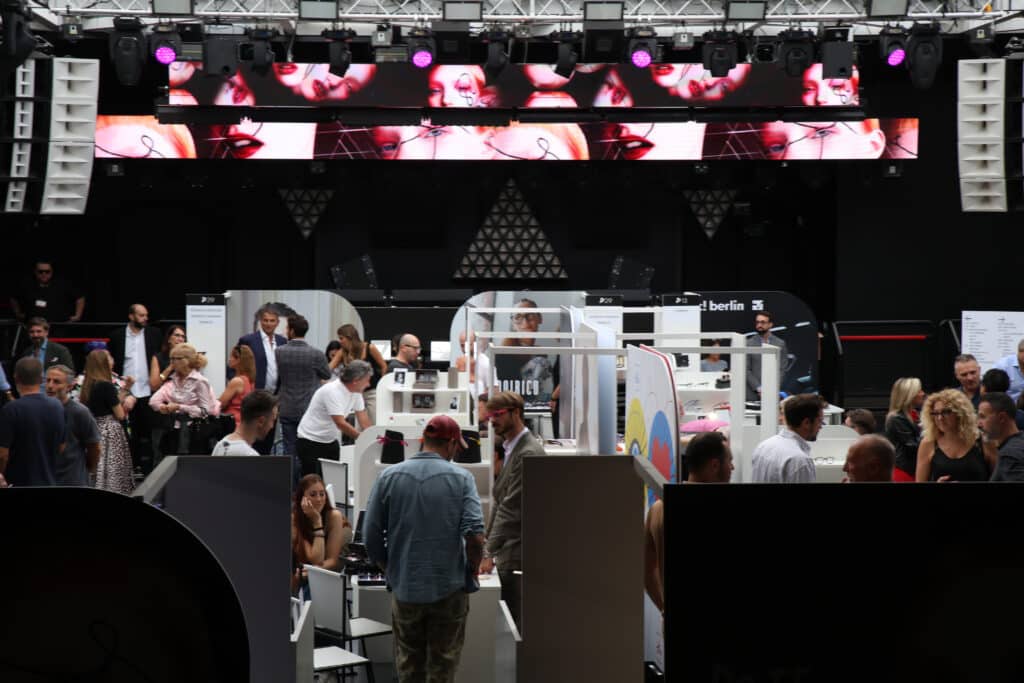
With just four days to go, DaTE 2026 is preparing to open its doors in Napoli for a new edition dedicated to independent eyewear, design research and creative innovation. For the first time, the event will take place in the historic Salone Margherita, bringing contemporary eyewear to the heart of a UNESCO World Heritage city.
From September 12 to 14, more than 130 brands from Italy and abroad will exhibit their latest collections, including companies from Germany, Denmark, the United Kingdom, France, the United States, South Korea, Japan and Tunisia. Opticians, buyers, designers, journalists and industry professionals from across Europe will also attend, supported by a delegation of approximately 30 European buyers in collaboration with the Italian Trade Agency (ITA).
A three‑day event focused on discovery and connection
DaTE 2026 is designed as a space to explore new collections, emerging trends and experimental projects in independent eyewear. Beyond product discovery, the event aims to foster connections, dialogue and business opportunities, encouraging encounters between designers, retailers and creative professionals.
DaTE President Davide Degl’Incerti Tocci notes: “We are finally here. After months of work, it is nice to see that everything is taking shape. We are ready to welcome exhibitors and visitors from all over the world to Napoli, and we want DaTE to be a pleasant, warm and informal experience — a place to meet, discover, talk and be together.” He adds that enthusiasm from eyewear professionals has been strong since the announcement of this year’s edition.
Saturday evening: the DaTE Party
The opening day will conclude with the DaTE Party, held at Salone Margherita starting at 8 p.m. The evening is reserved for exhibitors, designers, opticians, buyers, journalists and industry guests, offering an informal setting for continued networking with music and entertainment.
A highlight of the evening will be the announcement of the dates and host city for DaTE 2027. Registration for the DaTE Party is available at: dateyewear.com/en/party
In recognition of Healthy Aging Month, Bausch + Lomb has released new Canadian survey findings highlighting significant gaps in the diagnosis and management of dry eye disease, a condition that becomes increasingly common with age. According to the press release, dry eye prevalence is highest among adults over 55 years old.
The survey, conducted between March and April 2026 among 481 Canadian adults who currently use or have used prescription dry eye treatments, reveals that many patients struggle to access timely care and appropriate treatment pathways.
Diagnosis delays and unmet patient needs
The findings show that Canadians with dry eye disease often face a long and fragmented path to diagnosis. According to the report, patients typically see two or more healthcare professionals before receiving a diagnosis, indicating that dry eye is rarely identified at the first point of care.
The survey also highlights strong patient demand for earlier access to prescription therapies. Four in five patients wish they had started prescription treatment sooner, and nearly half of respondents over age 56 were unaware that prescription options exist.
Dr. François Piuze, creator of Quebec’s Dry Eye Symposium, notes: “Dry eye disease becomes increasingly common as we age, but it should never be dismissed as simply a normal part of aging.” He emphasizes that early recognition and conversations with eye care professionals can help patients better understand their symptoms and treatment options.
Inflammation: a key concern for patients
More than 70% of respondents consider treating inflammation essential, underscoring the importance of addressing the underlying cause of dry eye disease rather than relying solely on lubricants.
Dr. Evelyn Lo, past president of BC Doctors of Optometry, adds that the findings reinforce the need for earlier diagnosis, clearer patient education, and timely escalation beyond over‑the‑counter lubricants when clinically appropriate.
Barriers to access for older Canadians
The survey also points to challenges in treatment accessibility. Older patients often face insurance coverage obstacles, making it harder to obtain prescription therapies. Bausch + Lomb states that it is working to reduce these barriers through patient support programs and reimbursement solutions, helping Canadians “see better, live better, and maintain their independence.”
Dry eye and aging: what Canadians should know
Dry eye disease can be triggered by multiple age‑related factors, including medications, hormonal changes, environment, and underlying health conditions. Symptoms include dryness, irritation, burning and blurred vision. Evidence increasingly shows that inflammation plays a central role in the development and progression of dry eye disease.
Artificial intelligence (AI) has been widely discussed in recent years, but its impact on Canadian eye care is now tangible. From personalized dry eye management to automated retinal screening and advanced OCT biomarker analysis, AI-driven platforms are helping clinics improve efficiency, standardize documentation, and strengthen diagnostic support.
Not all AI tools serve the same function. Some operate as screening and triage systems, others deliver quantitative imaging analytics, and some provide broader clinical decision-support resources. Below is an overview of six AI-enabled tools currently shaping clinical conversations in Canadian eye care.
1: CSI Dry Eye Software -Standardizing Dry Eye Care
Dry eye disease remains one of the most common conditions encountered in primary eye care. CSI Dry Eye Software is a cloud based clinical management platform designed to structure and streamline dry eye assessment and management. Using AI-driven algorithms, the platform synthesizes patient questionnaires, diagnostic testing, and clinical findings. It identifies likely contributing mechanisms—such as evaporative or aqueous deficient components—and generates structured, individualized treatment plans.
Key capabilities include:
Analysis of multiple dry eye tests, patient questionnaires, and clinical data to identify underlying causes and contributing factors.
Support for personalized, protocol-driven treatment plans by comparing patient data against databases of OTC products, prescription therapies, and in-office procedures.
Longitudinal tracking of patient progress across multiple visits.
Cloud-based access (SaaS) with structured dashboards, automated reminders, customized reporting, and follow-up tools to streamline workflow.
Reduced chair time and decreased subjective variability through standardized analysis and treatment guidance.
Integration considerations: CSI operates as a browser-based SaaS platform and does not require proprietary hardware. It works with most dry eye data already collected in clinic. EMR integration varies by system; summaries can typically be exported or incorporated into records.
Best suited for: Clinics seeking structured, protocol-driven dry eye management
2: OphtAI – Automated Retinal Screening
OphtAI is designed for automated analysis of colour fundus photography. It screens for diabetic retinopathy, glaucoma, and age related macular degeneration (AMD), generating real-time reports with lesion mapping, severity grading, and confidence scoring.
Key features include:
Detection of major retinal diseases from fundus photographs.
Real-time analysis with downloadable PDF reports detailing lesion mapping and severity grading.
Flexible access via web portal, mobile application, or API.
Designed for rapid, automated screening in tele-ophthalmology or population-based programs.
Integration considerations: The platform is accessible via web, mobile, or API. In Canada, it is also currently integrated with Tecksoft EyeVu EMR. It does not require proprietary imaging hardware beyond a compatible fundus camera.
Best suited for: Primary care environments and large-scale screening programs.
3: Altris AI – OCT Biomarker Quantification
Altris AI focuses on AI-enhanced interpretation of OCT scans. The platform detects and quantifies more than 70 retinal pathologies and biomarkers, including drusen subtypes, fluid, atrophy, and edema. It is particularly positioned for monitoring AMD, in both dry and neovascular forms.
Core features include:
Automated detection and quantification of 70+ retinal biomarkers and pathologies.
Highlighting and longitudinal tracking of AMD-related features to support monitoring of progression and treatment response.
Conversion of raw OCT data into structured, reproducible outputs, including heatmaps, Early Treatment Diabetic Retinopathy Study (ETDRS) grid visualizations, graphs, and quantitative measurements.
Support for research workflows through longitudinal comparisons and advanced analytics.
Integration considerations: Altris AI offers cloud-based access as standard, with on-premise options available. It is vendor-neutral and designed to integrate into existing OCT workflows, compatible with devices from multiple major manufacturers.
Best suited for: Retina-focused practices and imaging centres requiring detailed OCT analytics.
4: AI4Eyes – Ocular Surface Test Consolidation
AI4Eyes is a Canadian-developed platform that combines proprietary hardware with AI-driven diagnostic software. The tool consolidates approximately 10 anterior segment tests into a streamlined, AI-guided imaging workflow. Clinicians receive AI supported diagnostic suggestions and treatment recommendations for review.
Notable capabilities:
Consolidation of multiple anterior segment tests into a single AI-guided workflow.
Machine learning–based analysis of ocular surface parameters.
Personalized treatment suggestions that clinicians can validate and refine.
Integration considerations:AI4Eyes integrates into the pre-test workflow and supplements existing diagnostic data collection. Unlike pure SaaS platforms, it requires acquisition of dedicated hardware.
Best suited for: Practices investing in integrated anterior segment and dry eye diagnostics.
5: VisualDx – Broad Clinical Decision Support
VisualDx is a clinical decision-support platform rather than a dedicated eyecare AI tool. It contains a database of more than 45,000 medical images and peer-reviewed clinical content. Clinicians can input signs and symptoms to generate differential diagnoses—particularly valuable when ocular findings intersect with dermatologic or systemic disease.
Access to treatment guidance, ICD coding support, and complication alerts.
Patient education tools to facilitate communication and shared decision-making.
Integration considerations:VisualDx is web-based and accessible via browser or app, with API integration options available.
Best suited for: Clinicians managing complex or multi-system presentations.
6: OCTolyzer – Open-Source OCT Research
OCTolyzer occupies a distinct niche as an open-source OCT analysis toolkit developed for research use. In Canada, it may be used in research environments but is not intended for direct patient diagnosis. The platform performs automated retinal and choroidal segmentation and extracts quantitative metrics such as thickness measurements and vascular indices.
Integration considerations: OCTolyzer runs on standard computing systems and is platform-agnostic. It is not a regulated clinical diagnostic device and is intended for academic research, validation studies, and AI development.
Best suited for: Universities, research laboratories, and AI development teams.
In Summary
AI adoption in Canadian eye care continues to accelerate, with tools serving diverse clinical objectives:
OCTolyzer advances academic research and innovation.
Selecting the appropriate platform depends on clinical focus, practice size, patient volume, regulatory considerations, and readiness to integrate new technologies into established workflows. As AI continues to evolve, its role in Canadian optometry is shifting from experimental to operational—reshaping how optometrists assess, document, and manage ocular disease.
About the Author:
Maryam Moharib, BOptom, BHSc, CSPO, CAPM
Maryam Moharib, BOptom, BHSc, CSPO, CAPM, is an optometrist and certified product owner with expertise in EMR implementation and clinic workflow optimization. She brings years of clinical and project management experience bridging technology and patient care.
Want to see more articles like this? Click here to subscribe to our FREE print magazine and newsletters!
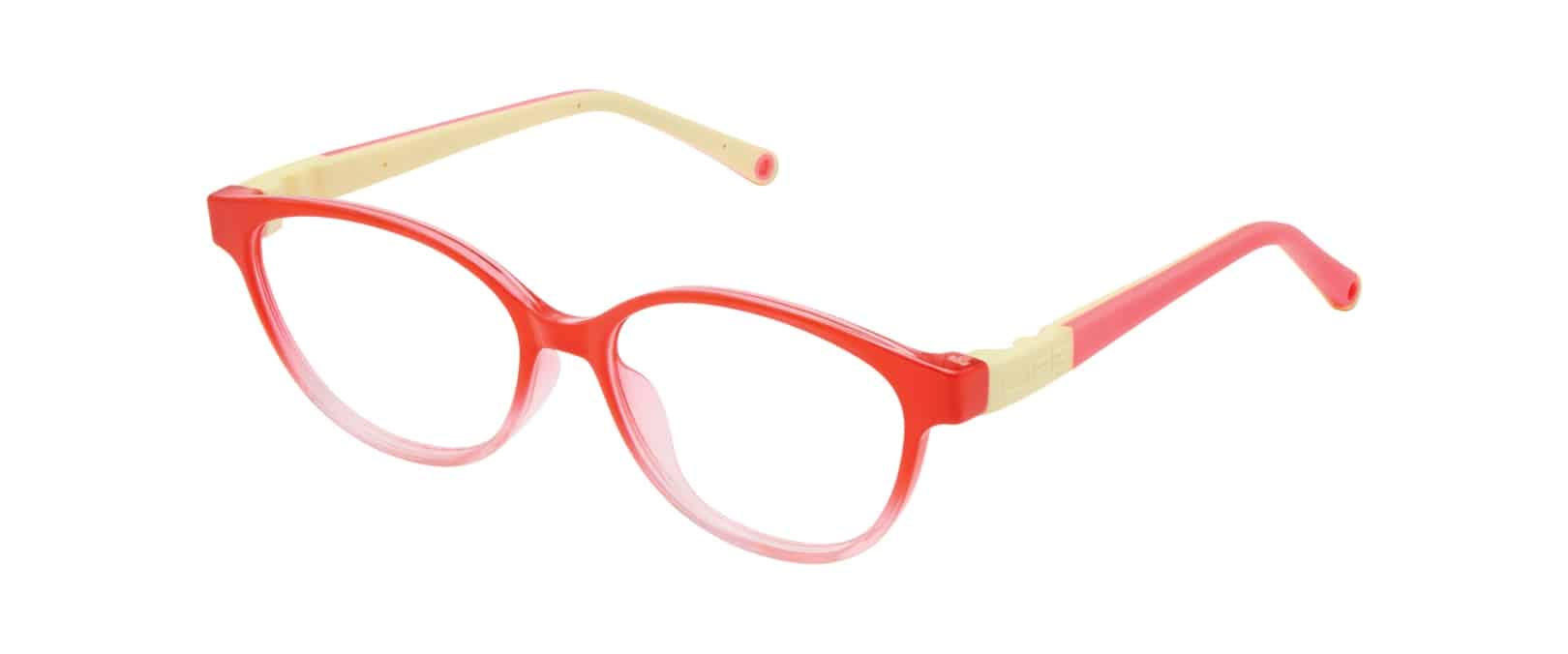
Created by the pediatric experts behind the trusted Dilli Dalli brand, Demi + Dash delivers fashionable eyewear solutions for style-conscious kids ages 7–12. The collection features contemporary styling while still providing fit, flexibility and performance that parents and ECPs expect.
Centennial Optical is a Canadian company distributing ophthalmic frames and lenses, sunglasses, lab supplies, cases and accessories, nationally and internationally. Founded in 1967, Centennial sells optical goods and services to Eye Care Professionals, optical laboratories and optical retailers. Centennial is fully licensed by Health Canada to sell Class I medical devices. With corporate headquarters and central distribution located in Toronto, Centennial also has local customer service in Montreal and Vancouver.
Centennial Optical is a sponsor and supplier of exclusive products to members of the Canadian Association of Optometrists. Centennial Optical is also a member of The Vision Council, an international association representing suppliers of vision care products and services.
Eyewear (Frames)
Centennial Optical began as a distributor of ophthalmic frames, selling its own exclusive brands. Today, in addition to being the Canadian distributor for several international designer brands of eyewear, such as Ann Taylor, BCBG MAXAZRIA, Champion, Christian Lacroix, Hackett, London Fog, Jones New York, Nicole Miller, Paradigm, TLG, Vera Wang and 2BB. Centennial works closely in developing and bringing to market the indigenous brand IO:KEN as well as Canadian fashion icons Alfred Sung, Roots and Beaver Canoe.
Lenses and Lab Supplies
Centennial is the Canadian wholesale distributor for HOYA, Rodenstock and Kodak Lenses, plus other ophthalmic lenses from Signet Armorlite, Vision Ease, and lens products from a number of other manufacturers. Centennial’s house lens brands, CHOICE and Centoptic, offer customers an exceptional combination of performance and value in a wide selection of materials and treatments. Centennial is also pleased to offer a full range of lab supplies from 3M, BPI, DAC Vision and other suppliers.
Sunwear
Centennial is proud to distribute ROOTS, Serengeti, Bollé, and REVO Sunwear, both plano and Rx, to Canadian ECPs. As the maker of the world’s finest driving sunglasses, Serengeti utilizes only the latest technologies and premium materials. Bollé constantly refines their trademark combination of fit, fashion and comfort, for high-quality performance and protection. REVO sunglasses blend sleek design, tailored fit and legendary lens protection.
Want to see more like this article? Click here to subscribe to our FREE print magazines and e- newsletters!
Explore fall eyewear trends and smart lens innovations. Learn how to curate frame inventory, precision fit small silhouettes, and pair tech-driven lenses.
opti 2027 expands its See. Hear. Next. vision with SMART TECH, a new area dedicated to smart eyewear, wearables and connected applications. Director Cathleen Kabashi explains how “Next.” turns future technologies into real business opportunities for optics and hearing care.
New data from The Vision Council shows that rising prices are sustaining optical market revenue in early 2026, even as exam volume, patient visits and provider confidence decline. Market inSights and Provider inSights reports reveal a sector holding steady on value while underlying softness continues to build.
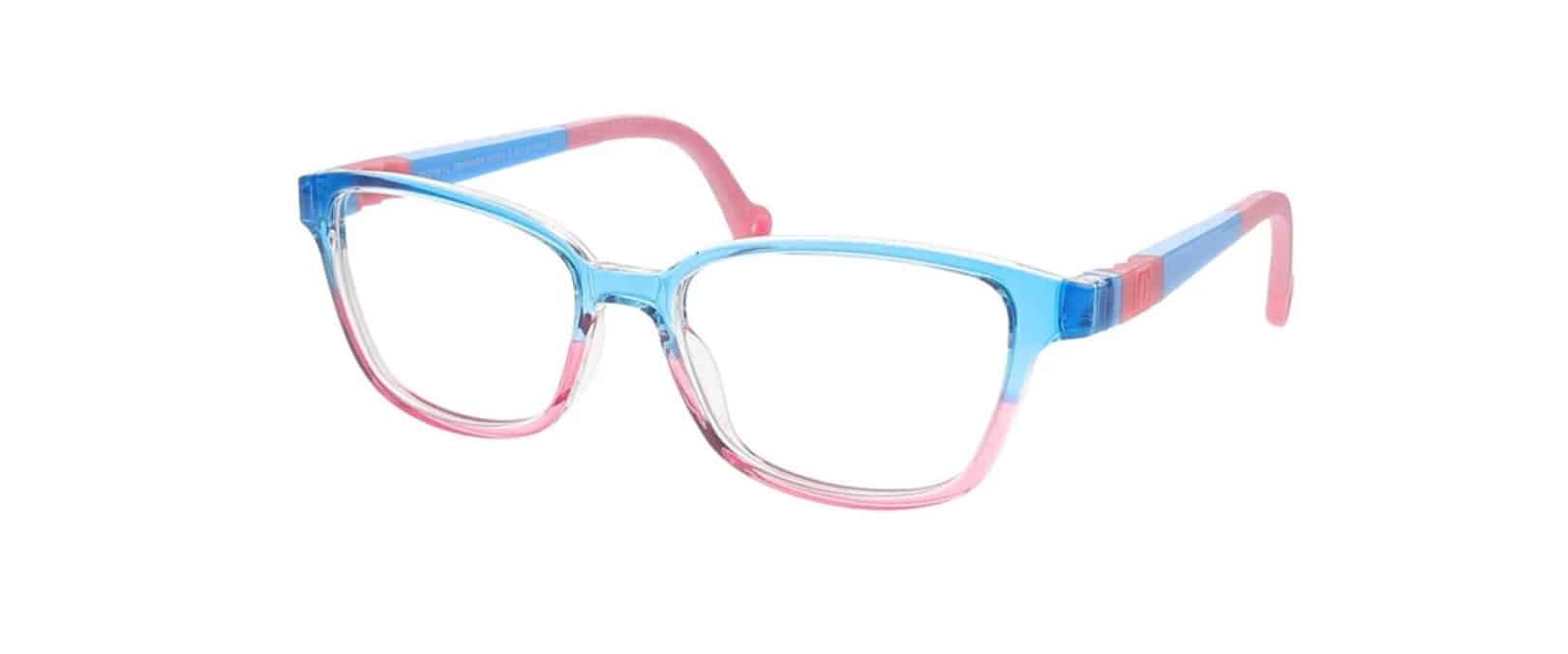
Life Italia adds a playful new dimension to children’s eyewear with the NI-157, combining bright gradient colours with durable TR-90 Grilamid, hypoallergenic rubber and flexible hinge technology.
Nikon launches Z Series Single Vision, a new portfolio of single vision lenses engineered with Asymmetric Z Contrast Technology to enhance binocular contrast and clarity.
Explore fall eyewear trends and smart lens innovations. Learn how to curate frame inventory, precision fit small silhouettes, and pair tech-driven lenses.
opti 2027 expands its See. Hear. Next. vision with SMART TECH, a new area dedicated to smart eyewear, wearables and connected applications. Director Cathleen Kabashi explains how “Next.” turns future technologies into real business opportunities for optics and hearing care.
New data from The Vision Council shows that rising prices are sustaining optical market revenue in early 2026, even as exam volume, patient visits and provider confidence decline. Market inSights and Provider inSights reports reveal a sector holding steady on value while underlying softness continues to build.
Life Italia adds a playful new dimension to children’s eyewear with the NI-157, combining bright gradient colours with durable TR-90 Grilamid, hypoallergenic rubber and flexible hinge technology.
Nikon launches Z Series Single Vision, a new portfolio of single vision lenses engineered with Asymmetric Z Contrast Technology to enhance binocular contrast and clarity.
Explore fall eyewear trends and smart lens innovations. Learn how to curate frame inventory, precision fit small silhouettes, and pair tech-driven lenses.
opti 2027 expands its See. Hear. Next. vision with SMART TECH, a new area dedicated to smart eyewear, wearables and connected applications. Director Cathleen Kabashi explains how “Next.” turns future technologies into real business opportunities for optics and hearing care.
New data from The Vision Council shows that rising prices are sustaining optical market revenue in early 2026, even as exam volume, patient visits and provider confidence decline. Market inSights and Provider inSights reports reveal a sector holding steady on value while underlying softness continues to build.
Life Italia adds a playful new dimension to children’s eyewear with the NI-157, combining bright gradient colours with durable TR-90 Grilamid, hypoallergenic rubber and flexible hinge technology.
Nikon launches Z Series Single Vision, a new portfolio of single vision lenses engineered with Asymmetric Z Contrast Technology to enhance binocular contrast and clarity.
Explore fall eyewear trends and smart lens innovations. Learn how to curate frame inventory, precision fit small silhouettes, and pair tech-driven lenses.
opti 2027 expands its See. Hear. Next. vision with SMART TECH, a new area dedicated to smart eyewear, wearables and connected applications. Director Cathleen Kabashi explains how “Next.” turns future technologies into real business opportunities for optics and hearing care.
New data from The Vision Council shows that rising prices are sustaining optical market revenue in early 2026, even as exam volume, patient visits and provider confidence decline. Market inSights and Provider inSights reports reveal a sector holding steady on value while underlying softness continues to build.
Life Italia adds a playful new dimension to children’s eyewear with the NI-157, combining bright gradient colours with durable TR-90 Grilamid, hypoallergenic rubber and flexible hinge technology.
Nikon launches Z Series Single Vision, a new portfolio of single vision lenses engineered with Asymmetric Z Contrast Technology to enhance binocular contrast and clarity.