EssilorLuxottica announced the launch of SWITCH: Vision Innovation Summit by EssilorLuxottica, a new industry wide event that will explore the driving forces behind the industry’s rapid transformation. SWITCH will provide a captivating 3-day experience for eyecare professionals that will spark meaningful conversation around everything from AI wearables to med-tech to myopia innovation, capturing the true potential beyond frames and lenses to shape the future of vision care.
The new event will be held March 9-11, 2026 in Orlando for partners from the Americas, leading immediately into Vision Expo, and in Monte-Carlo on April 13-15, 2026 for customers in EMEA and Asia, allowing the Company to present a global and unified vision for the future.
As EssilorLuxottica continues to push the boundaries of patient care through advanced vision care, AI eyewear and med-tech solutions, SWITCH will be an ideal platform for provocative dialogue among industry professionals around advancements in areas such as AI and data science.
“The world we play and practice in tomorrow will be more predictive, more personalized, more powerful through AI, data and other developments, and it’s essential that eyecare professionals are in the driver’s seat. In creating SWITCH, we will provide an ideal environment for the kind of elevated conversation, discovery and relationships needed to succeed in a much more connected world. We look forward to delivering an experience that truly reflects the inspiring times we’re living in,” said Francesco Milleri, Chairman and CEO, and Paul du Saillant, Deputy CEO at EssilorLuxottica.
More details on the event will be shared in the coming weeks and months. For customers in the Americas, please visit the following link for more information and to register to the event: CLICK HERE
As we celebrate Children’s Vision Month in October, the CAO is launching a new digital awareness campaign to address children’s vision care and the rising epidemic of myopia.
Raising public awareness about the importance of regular eye exams for early detection remains crucial to improving eye care outcomes for Canadians, from toddlers to seniors. Unfortunately, eye health often doesn’t receive the same level of attention as other routine health care.
“Many parents assume they would know if their child was struggling to see, and children with vision problems are generally unaware of their condition because they assume everyone sees the way they do”, says Dr.
Allison Scott, CAO President. “Parents are often surprised when optometrists diagnose their child with an ocular issue. Reassuring them, explaining that these things aren’t always obvious, leads to a better understanding of the importance of regular comprehensive eye exams”.
As a child grows, so do their eyes, and eye conditions can develop quickly. Optometrists frequently encounter ‘invisible’ eye issues especially myopia or nearsightedness – an increasingly common eye disease among children.
This is why the CAO recommends that parents schedule comprehensive eye exams for their children starting at six to nine months, then again between the ages of two and five years, and annually thereafter to age 19. After 19, eye development stabilizes, allowing eye exams every two years for healthy adults with no known eye conditions.
Eye exams are crucial, even if no symptoms are evident, to catch potential issues early and ensure timely intervention.
Fighting Myopia, One of the Leading Causes of Vision Loss in the World1
Detecting myopia early on means taking measures right away to halt or slow the progression. People with myopia will have trouble seeing distant objects, such as road signs, whiteboards, movie screens and TVs. Myopia has both a genetic and environmental component, including increased near work and screen time among children.
Research shows that myopia is occurring at earlier ages starting in childhood (6-7 years of age) and progressing at a more rapid rate than in previous generations. This is concerning, given that high levels of myopia can lead to sight-threatening conditions, including retinal detachments, cataracts, glaucoma, and myopic maculopathy. By 2050, the prevalence of myopia is estimated to increase to 50% of the world’s population2.
“We know that clear vision is the cornerstone of a child’s ability to learn, grow, and build confidence,” according to Vanessa Johari Hansen, Country Business Unit Head, Vision Care, at Alcon Canada. “Alcon is proud to support the Canadian Association of Optometrists’ campaign, empowering families to prioritize regular comprehensive eye exams, so children can See Brilliantly and Learn Brilliantly.”
Focusing on prevention, early detection and timely treatment of vision problems set the foundation for lifelong eye health, and beyond.
“Myopia can significantly impact a child’s ability to engage fully in daily life, even in the short term. While correcting vision is important, it’s only part of the solution. Myopia often progresses as children grow,” said Enrique Contreras, Country Manager at CooperVision Canada. “As a global leader in myopia management for children, we are dedicated to offering innovative solutions designed to slow that progression, helping to reduce the risk of serious vision complications later in life.”
Maintaining good habits beyond the optometrist’s exam room will also help minimize the impact of myopia. Spending more time outdoors and limiting screen time are beneficial for healthy development, both for ocular health as well as overall health.
1 Bourne RR, Stevens GA, White RA, Smith JL, Flaxman SR, Price H, et al. Causes of vision loss worldwide, 1990-2010: a systematic
analysis. Lancet Glob Health. 2013;1(6):e339-49.
2 Holden BA, Fricke TR, Wilson DA, Jong M, Naidoo KS, Sankaridurg P, et al. Global Prevalence of Myopia and High Myopia and Temporal Trends from 2000 through 2050. Ophthalmology. 2016;123(5):1036-42.
Newton™ (formerly Neurolens) has announced that its Sequel™ everyday lenses are now available through VSP® managed vision care (MVC) plans, extending access to its Convergence Boost™ technology for a wider range of patients experiencing digital eye strain.
According to Newton, digital eye strain affects up to 75% of device users, and the Sequel lens is designed to address this through its proprietary technology that supports more comfortable visual alignment during near tasks. Clinical data from the company suggests that 91% of wearers reported improvement in symptoms commonly associated with digital eye strain, with four out of five recommending the lens.
The Sequel portfolio includes four lens options—Sequel 0, 38, 67, and PAL—allowing practitioners to tailor prescriptions based on patient needs. With inclusion under VSP’s managed care offerings, the company says Sequel transitions from a premium category product to a more accessible solution for everyday wearers.
“VSP availability removes barriers and puts life-changing vision solutions within reach of millions,” said Davis Corley, CEO of Newton. “We’re democratizing access to patented technology that works for the way we live now.”
Optometrist Dr. Paul Lovero noted that patients report reduced visual fatigue and greater comfort with Sequel lenses, describing the experience as “eyes feeling like they’re on vacation.”
While the Sequel range is positioned as an everyday lens option, Newton’s Neurolens products with Contoured Prism technology remain available as a premium therapeutic solution for patients requiring advanced prism correction.
In spotlighting those who go the extra mile, we turn to Jessica Fraser—an inspiring figure whose journey crisscrosses Canada and the USA as she champions top independent eyewear brands.
With three decades of experience and unmatched dedication, Jessica has earned her stripes as an international Rockstar Road Warrior.
Jessica works approximately 200–220 days annually with Bevel and Blake Kuwahara, covering Alberta, Saskatchewan, Manitoba, and Ontario in Canada, as well as Illinois, Michigan, Wisconsin, Indiana, Ohio, Washington D.C., Virginia, and Maryland in the U.S. With so many new independent shops opening, she could practically camp out in Ontario. Jessica absolutely loves Canada and enjoys her amazing customer base.
A Career That Started with Curiosity
Jessica’s career began in Long Beach, California, working as a secretary and receptionist, filing insurance claims for an optical boutique. As a natural progression, she began fitting patients with frames and discovered her passion for enhancing lives through eyewear styling.
Two years later, she was offered a job with the Optical Shop of Aspen, owned by Larry Sands. With 28 U.S. retail stores and a wholesale division distributing brands like Chrome Hearts and Matsuda, it was a perfect fit. Jessica started in sales and moved up the ranks to manage several of the retail locations over her nine years of dedication.
She worked in both the retail and wholesale sectors and, while in Santa Monica, became a certified optician. At one point, Larry asked her to live in his Aspen condo for a year to manage a bustling boutique that catered to celebrities and VIPs.
Highly motivated and passionate, she eventually returned to Newport Beach and later moved to Santa Fe to take on a management role. Her favourite styling sessions to date? Harrison Ford and Nicolas Cage.
In just two years, she helped grow a Santa Fe store’s revenue from $500,000 to $2 million. She was then transferred to La Jolla to open a new boutique with the promise of becoming Assistant Manager of Marketing, Sales, and Promotion. But after the company was sold to Oakley, then Luxottica, that promotion never came. Her commute became exhausting—two hours each way. While the celebrity market was exciting, the shift in company culture led Jessica to become a sales rep for Robert Marc and Lunor.
Defying Doubt and Embracing the Rep Life
Early on, Jessica considered switching from retail to wholesale, but a manager discouraged her, claiming women were a liability due to potential pregnancies—and that the sample bags would be too heavy. Ironically, that comment came from a female manager. Years later, after witnessing broken promises and company transitions, Jessica embraced the rep lifestyle with her trademark passion for fashion, style, and luxury.
She took her first rep role as the recession began—and still thrived. Later, she was approached by Ramassia, distributor for Theo, covering the West Coast of the U.S., including Texas up to Wyoming, and much of Western Canada. After nine successful years, she returned to Michigan to be with her father during a period of declining health.
Jessica then met Richard Mewha and Claudio Arena from Bevel and Blake Kuwahara and accepted a new role, covering the U.S. East Coast and Ontario, Quebec, and Nova Scotia. Her territory has evolved during her seven-year tenure, but her influence has only grown stronger.
A Life Beyond Borders
Over the course of her 30-year career, Jessica has encountered both triumph and challenge. One of the most disheartening discoveries? Learning she was being paid less than her male counterparts. Frequent border crossings also exposed her to racial profiling, and the wait times—paired with complicated customs paperwork—could range from 15 minutes to more than two hours.
Healthcare has been another hurdle. In the U.S., independent reps pay for their own insurance—around $700 USD a month for limited coverage. Jessica finds this unfair, especially given the toll that frequent travel takes on the body. Managing multiple territories without universal or employer-based healthcare adds yet another layer of complexity to her role.
Despite all this, Jessica is highly respected and continues to support the luxury eyewear market with grace and grit. Her warm personality, deep industry knowledge, and unwavering dedication have made her a beloved figure in the field.
Outside of work, Jessica has a deep love for art—she studied art history in college—and enjoys reading, writing, and sports, especially hockey. A die-hard Detroit Red Wings fan, she also roots for Canadian teams and is currently following the Winnipeg Jets.
Jessica’s story is one of perseverance, resilience, and passion—a shining example of what it means to carve your own path in the world of independent eyewear.
Want to see more like this article? Click here to subscribe to our FREE print magazines and e-newsletters!
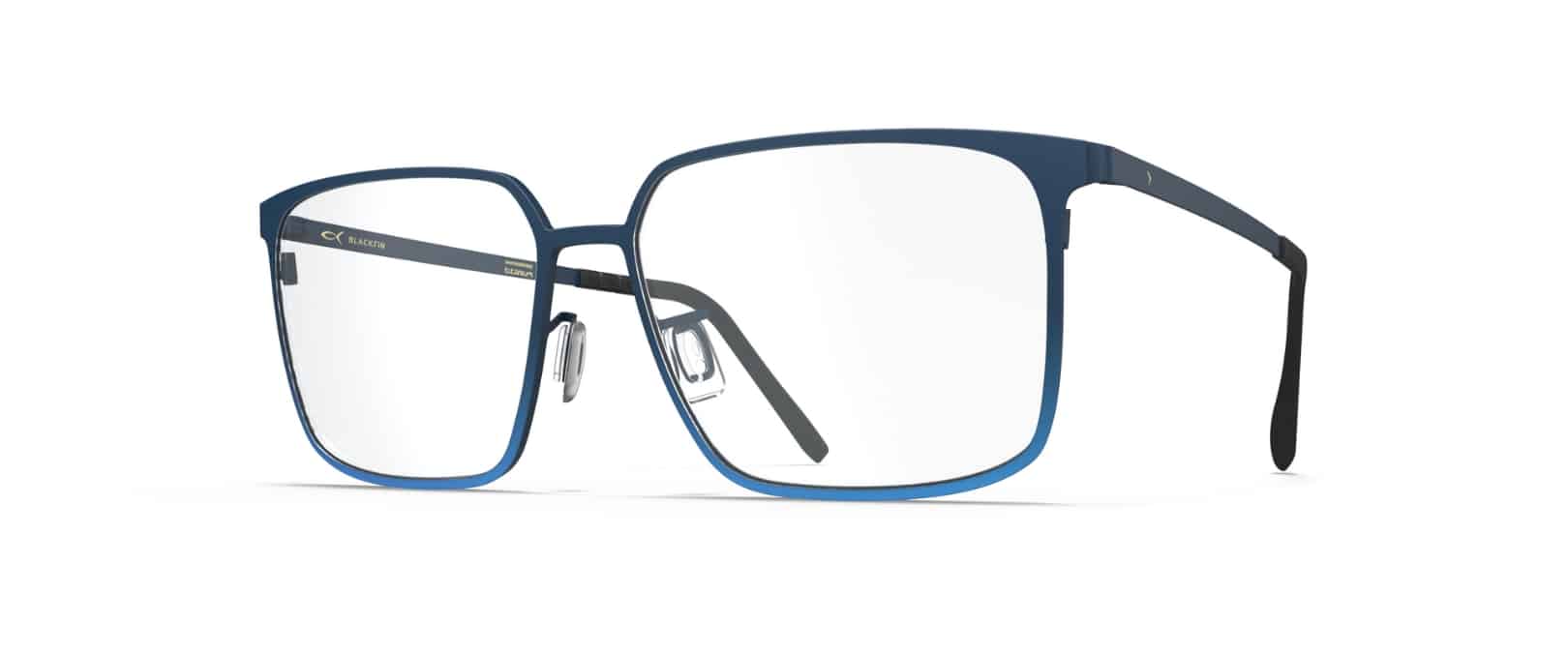
The Cobalt 1083 (colour 1755) optical frame is made from a single block of pure titanium, entirely crafted in Italy at the Blackfin Black Shelter Sustainable Factory. The hypoallergenic, ultra-lightweight structure ensures strength and superior comfort, thanks to ultra-flexible temples that adapt perfectly to the face.
Hand-applied colours enhance the design with distinctive character: gradient front in Shadow Dark Blue – Tropical Blue, with inner frame and temples in Shadow Dark Blue. A perfect balance of technology, craftsmanship, and style.
Mood Eyewear Inc is proud to lead in the latest European optical trends, integrating European fashion influences to enhance the visual experience. We consider it both a duty and an honor to support our business partners by providing personalized and efficient service. Our exclusive collections are carefully curated to blend creativity, innovation, art, design, craftsmanship, and cutting-edge technology.
Established in 2006, Mood Eyewear was founded with the aim of importing and offering prestigious optical and sunglass collections to the Canadian market. Our group ensures the distribution of renowned European brands, selected for their quality and distinctive aesthetics.
We are the exclusive distributors in Canada for brands such as Blackfin, Woodys, Le Parc, Visionario, X-Ide, MIC, I-Man, Komono, and NOS.
Want to see more like this article? Click here to subscribe to our FREE print magazines and e- newsletters!
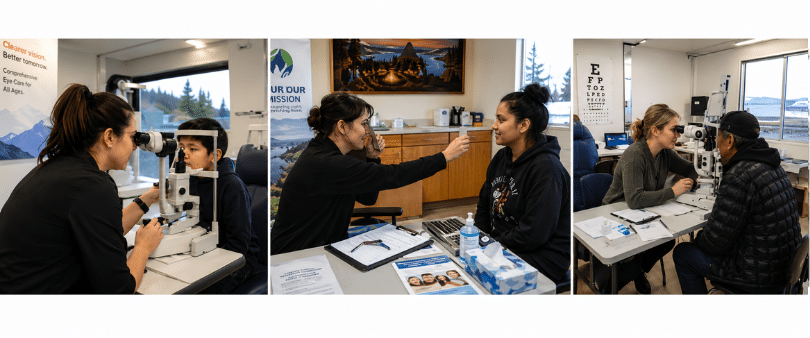
Discover how improving access, trust, culturally safe care, and early eye examinations can help close gaps in vision care for Indigenous communities in Canada.
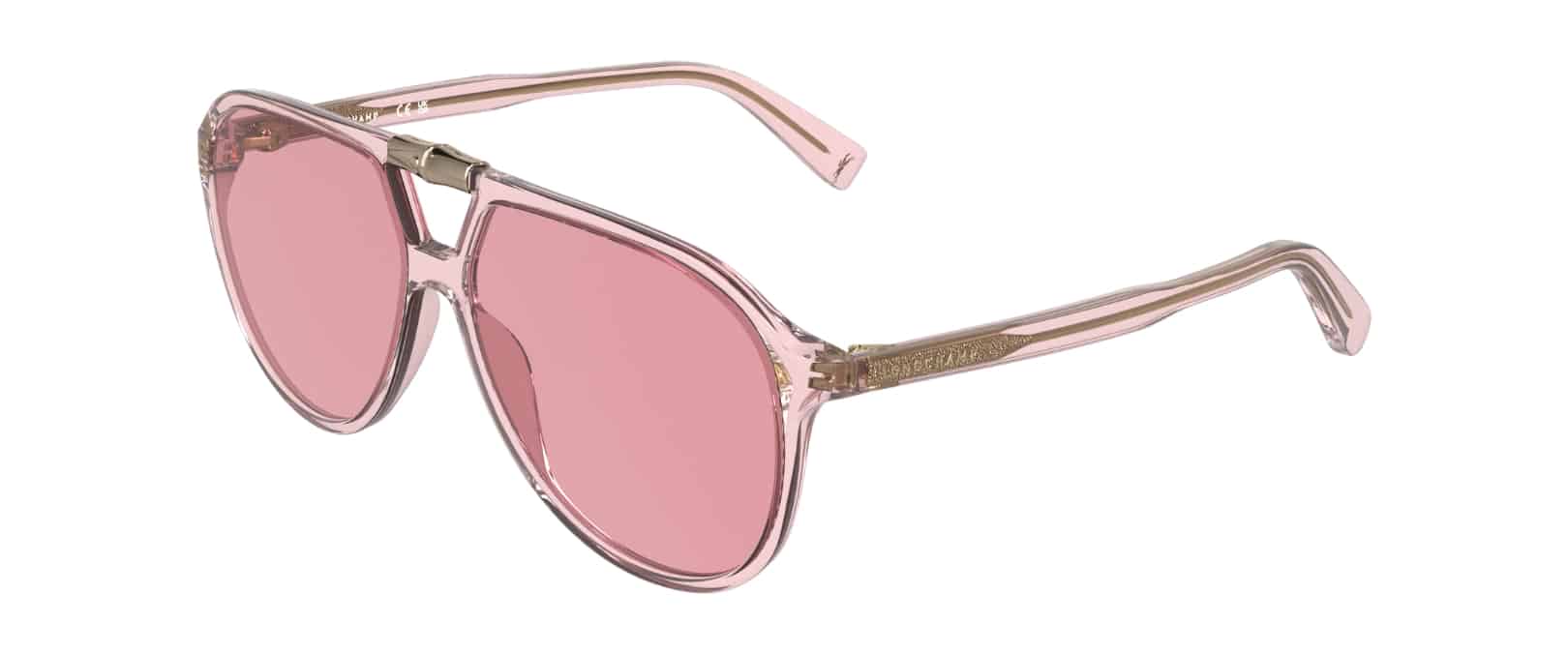
Inspired by Longchamp’s Roseau line, the LO800S sun frame combines a lightweight teardrop shape, transparent colourways and refined bamboo-style metal detailing.
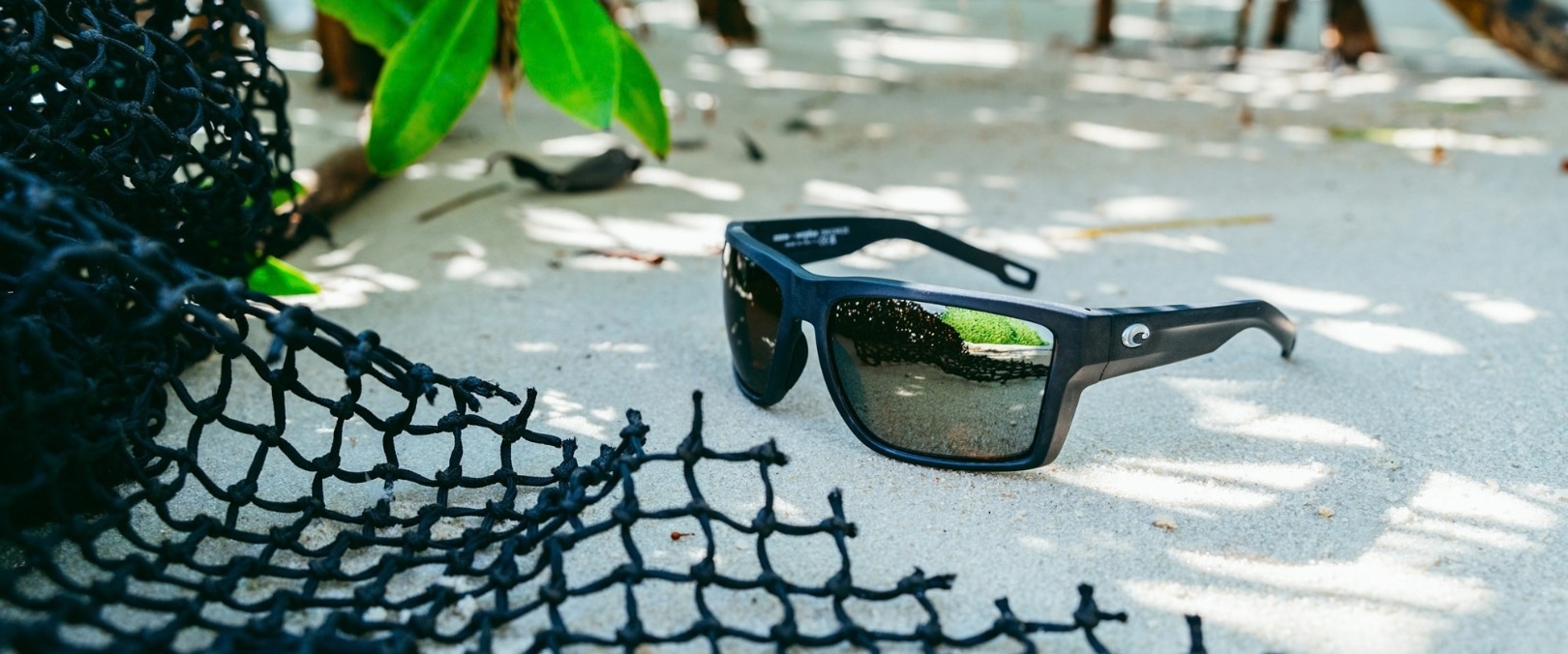
Costa expands its Untangled eyewear collection with new frames made from NetPlus recycled fishing nets, strengthening its commitment to ocean protection.
First Look London 2027 introduces a curated showcase of independent eyewear brands and new designers, hosted at King’s Cross Town Hall with a world class content programme.
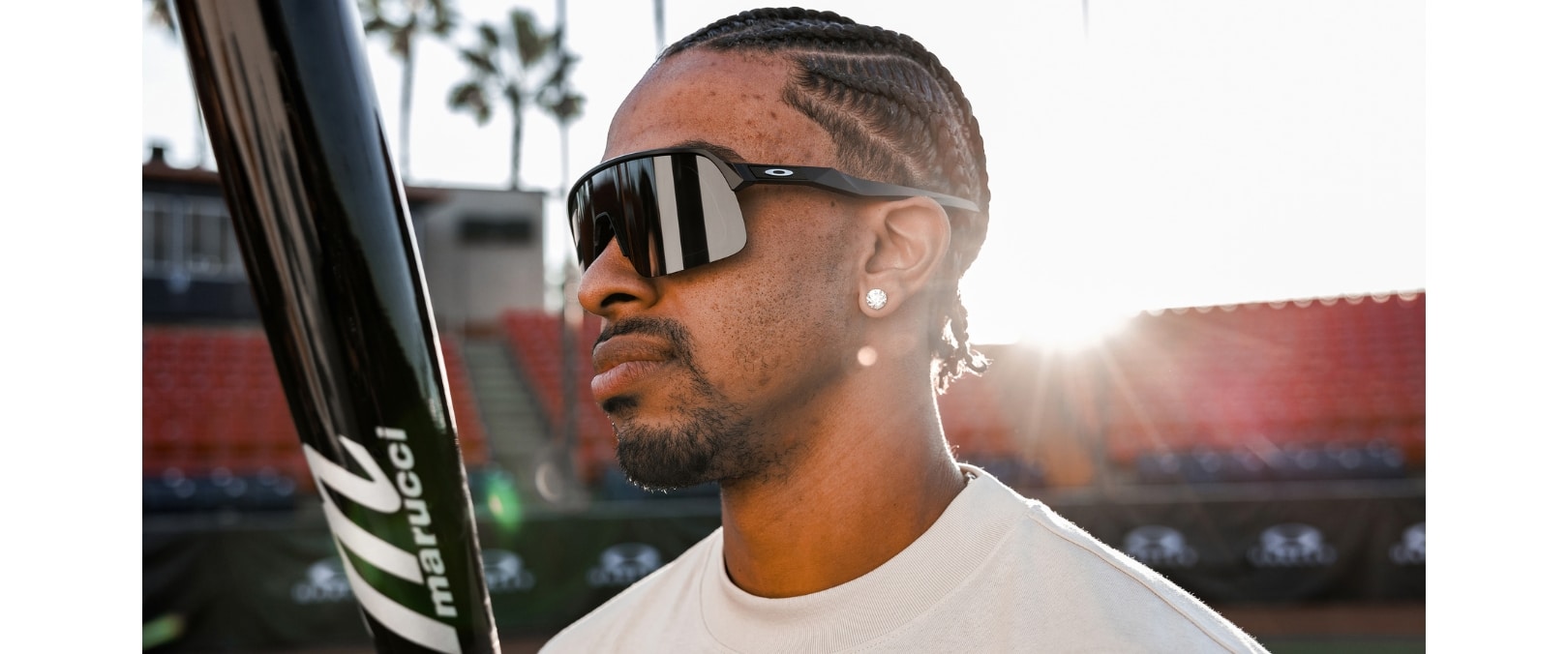
Oakley introduces Shield Fusion, a new prescription technology bonded directly to shield lenses, eliminating bulky inserts and delivering high performance vision correction across the Sutro family.
Discover how improving access, trust, culturally safe care, and early eye examinations can help close gaps in vision care for Indigenous communities in Canada.
Inspired by Longchamp’s Roseau line, the LO800S sun frame combines a lightweight teardrop shape, transparent colourways and refined bamboo-style metal detailing.
Costa expands its Untangled eyewear collection with new frames made from NetPlus recycled fishing nets, strengthening its commitment to ocean protection.
First Look London 2027 introduces a curated showcase of independent eyewear brands and new designers, hosted at King’s Cross Town Hall with a world class content programme.
Oakley introduces Shield Fusion, a new prescription technology bonded directly to shield lenses, eliminating bulky inserts and delivering high performance vision correction across the Sutro family.
Discover how improving access, trust, culturally safe care, and early eye examinations can help close gaps in vision care for Indigenous communities in Canada.
Inspired by Longchamp’s Roseau line, the LO800S sun frame combines a lightweight teardrop shape, transparent colourways and refined bamboo-style metal detailing.
Costa expands its Untangled eyewear collection with new frames made from NetPlus recycled fishing nets, strengthening its commitment to ocean protection.
First Look London 2027 introduces a curated showcase of independent eyewear brands and new designers, hosted at King’s Cross Town Hall with a world class content programme.
Oakley introduces Shield Fusion, a new prescription technology bonded directly to shield lenses, eliminating bulky inserts and delivering high performance vision correction across the Sutro family.
Discover how improving access, trust, culturally safe care, and early eye examinations can help close gaps in vision care for Indigenous communities in Canada.
Inspired by Longchamp’s Roseau line, the LO800S sun frame combines a lightweight teardrop shape, transparent colourways and refined bamboo-style metal detailing.
Costa expands its Untangled eyewear collection with new frames made from NetPlus recycled fishing nets, strengthening its commitment to ocean protection.
First Look London 2027 introduces a curated showcase of independent eyewear brands and new designers, hosted at King’s Cross Town Hall with a world class content programme.
Oakley introduces Shield Fusion, a new prescription technology bonded directly to shield lenses, eliminating bulky inserts and delivering high performance vision correction across the Sutro family.